Archive for the ‘News & Updates’ Category

Tips for Raising Chickens in Winter

Thursday, November 20th, 2025

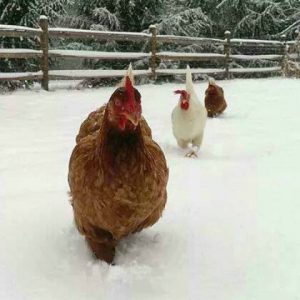
Raising Chickens in WinterRaising chickens in winter can be a lot of fun. Some hens love wandering around the yard and their first snow sighting can be quite entertaining. A bird’s thick feathers are a natural protective coat. As a result, most breeds are well-equipped for winter.

Here are a few tips on how to care for chickens in the winter:

      1. How to keep chickens warm in winter:
        Do not add heat lamps. Chickens, especially cold-tolerant breeds, can withstand winter temperatures without supplemental heat. A chicken’s body temperature is around 106 degrees Fahrenheit, and they have their own protective layer of feathers to keep them warm.

        Most importantly, if you feel it is necessary to provide a source of heat, only provide enough heat to raise the temperature a few degrees. The hens will adjust to the cold temperature, but if it is 70 degrees Fahrenheit in the coop and 0 degrees Fahrenheit in the run, birds will not be able to regulate their body temperature.

      2. What to feed chickens in winter:
        A common myth is to feed oatmeal to birds in the winter. This is not a beneficial treat for chickens. Oats contain some types of fiber that chickens can’t digest which can cause the contents of the digestive tract to thicken. This leads to a reduction in the bird’s ability to digest and absorb nutrients. Greens are also unnecessary. Hens may pick at hay and spread it around, but they are not going to eat it.

        Feeding a complete layer feed like Purina® Layena®, Purina® Layena® Plus Omega-3 or Purina® Organic Pellets or Crumbles will provide the necessary nutrition hens need through the winter.

      3. Ensure feed and water isn’t frozen.
        Consider heated waterers. Feed and water birds more often when it’s below freezing. Energy needs increase in winter. Animals expend a considerable amount of energy to stay warm and will eat more feed. Complete layer feeds include all the energy hens need. The 90/10 rule still applies in winter.
      4. Allow exploration.
        Firstly, birds can tolerate snow, cold air and ice water. There is very little muscle in the lower part of bird legs and feet. Tendons control the movements. They stretch from the upper part of the legs down to the toes. Secondly, the blood entering the lower legs and feet are cooled by the blood returning to the heart. The blood going to the toes warms the blood returning. As a result, the tissue receives just enough heat to avoid frostbite while also being provided with enough oxygen to keep things functioning.
      5. Collect eggs more frequently.
        Temperatures below freezing result in frozen eggs. Moreover, as the egg freezes, the contents expand and will cause the egg to crack.
      6. Keep the chicken coop draft free.
        But don’t seal it completely. Some air needs to be exchanged to prevent ammonia build up. Open the top vent or higher windows slightly so fresh air can enter and stale air can exit.
      7. Keep the chicken coop dry.
        Remove any wet spots daily. Provide more bedding than you would in other seasons so birds have a place to burrow and stay cozy.
      8. Continue offering activities in the chicken coop.
        Hens will spend more time in the coop, so offer enrichment. For example, logs, sturdy branches or chicken swings can work well and place a Purina® Flock Block® supplement in the coop for a nutritious place to peck.

In conclusion, visit Kissimmee Valley Feed to treat your flock!

Article Source: Purina Mills

Ready to see the difference a complete feed can make in your flock? Sign up for Purina’s Feed Greatness® Challenge.
Unique Christmas Gifts at Kissimmee Valley Feed

Thursday, November 20th, 2025

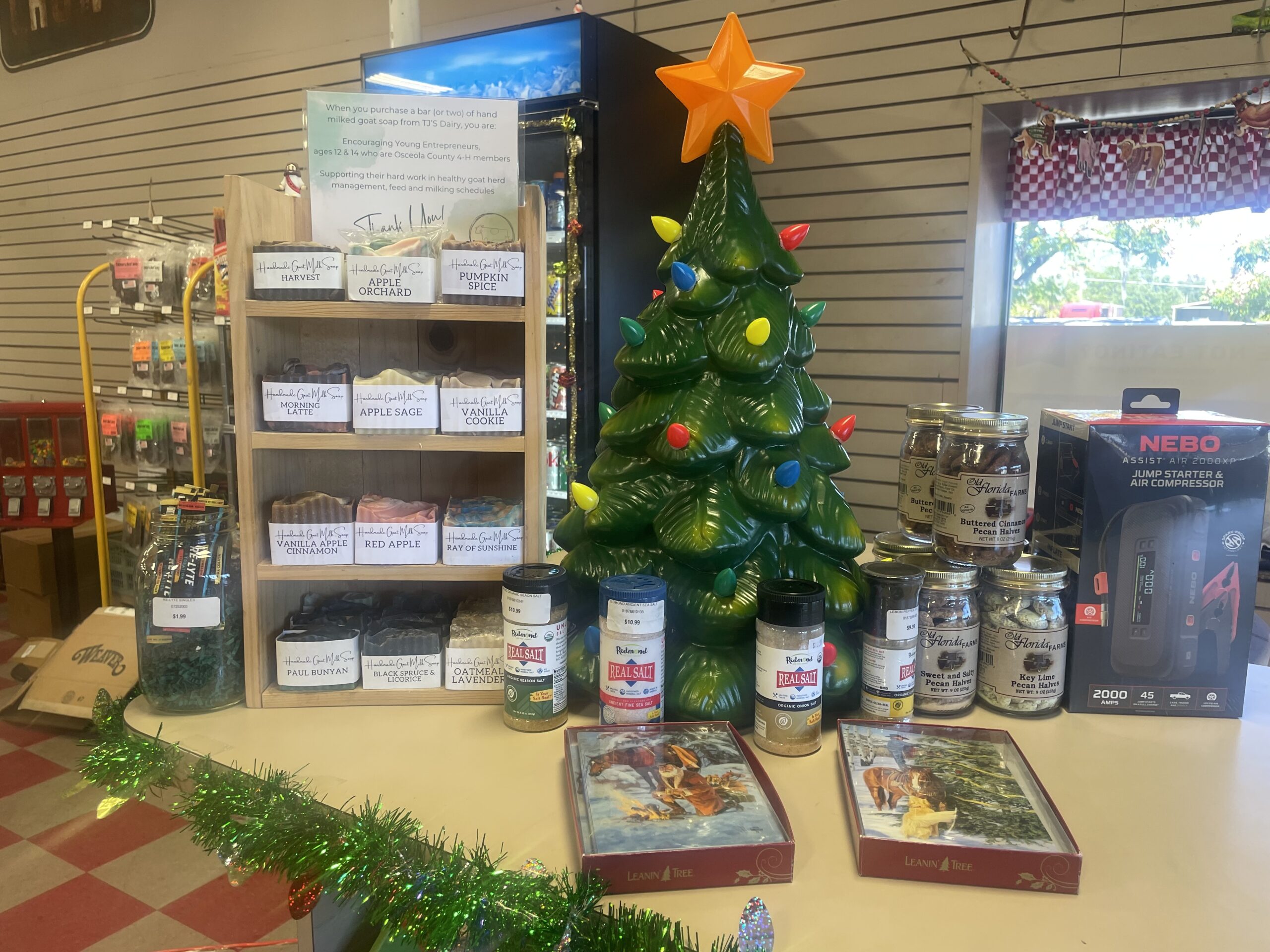
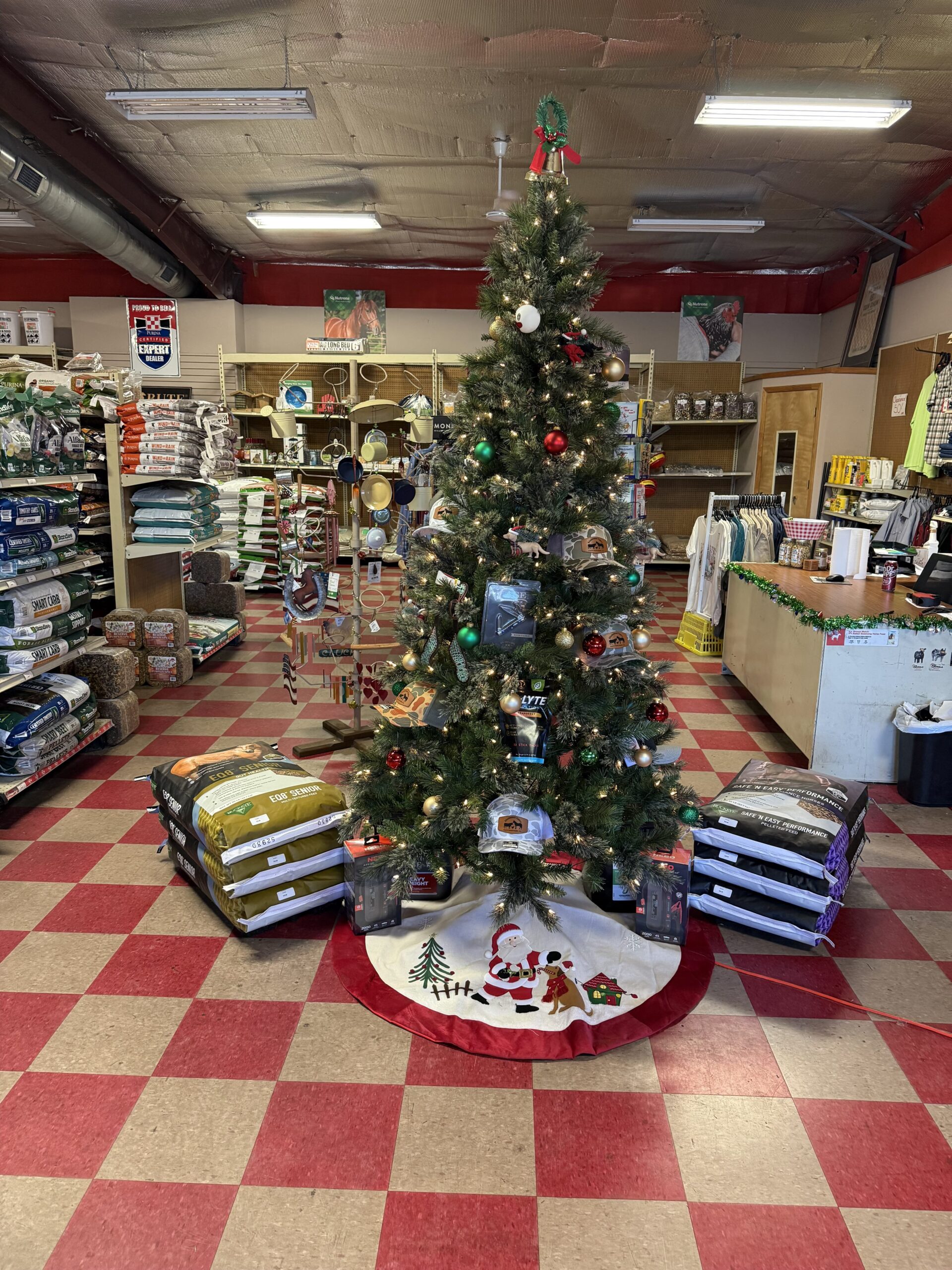
Unique Christmas Gifts at Kissimmee Valley Feed's Main Store with Christmas TreeCome find Unique Christmas Gifts at Kissimmee Valley Feed! The holiday season is here, bringing with it the delightful challenge of finding the perfect gifts for your loved ones. If you’re looking to step away from the crowded big-box stores and discover presents with personality and charm, look no further than Kissimmee Valley Feed. Both of our locations have been transformed into festive wonderlands! They’re filled with unique treasures that are sure to bring joy to everyone on your list.

This year, make your holiday shopping a pleasant and rewarding experience. From exclusive store merchandise and local gourmet treats to charming home decor and perfect presents for your pets, we have something special for every member of your family. Our beautiful Christmas displays are sure to get you in the holiday spirit as you browse our curated selection of gifts.

Small Christmas Tree Display at Main Store featuring soap, seasoning, pecans and cards.Discover Gifts with Local Flair at the Main Store

Our Main Store is your destination for gifts that capture a genuine, local feel. We’ve stocked our shelves with items you won’t find just anywhere. It’ll easy to pick out a thoughtful and distinctive present. As you wander through our festive aisles, you’ll find a variety of options perfect for stocking stuffers or standout gifts under the tree.

For the proud supporter of local businesses, our exclusive Kissimmee Valley Feed merchandise is a perfect choice. Grab one of our high-quality hats. Or maybe a classic pocket knife, ideal for the practical person in your life who appreciates a well-made tool. These items are more than just gifts; they’re a nod to a shared community spirit.

Beyond our own merchandise, the Main Store is a treasure trove of delightful finds. We have a wonderful selection of artisanal soaps that make for a luxurious and pampering stocking stuffer. For the foodie on your list, explore our collection of unique seasonings that can elevate any meal. And for a true taste of the region, you can’t go wrong with Old Florida Farms pecans—a delicious and classic holiday treat that’s perfect for snacking, baking, or gifting.

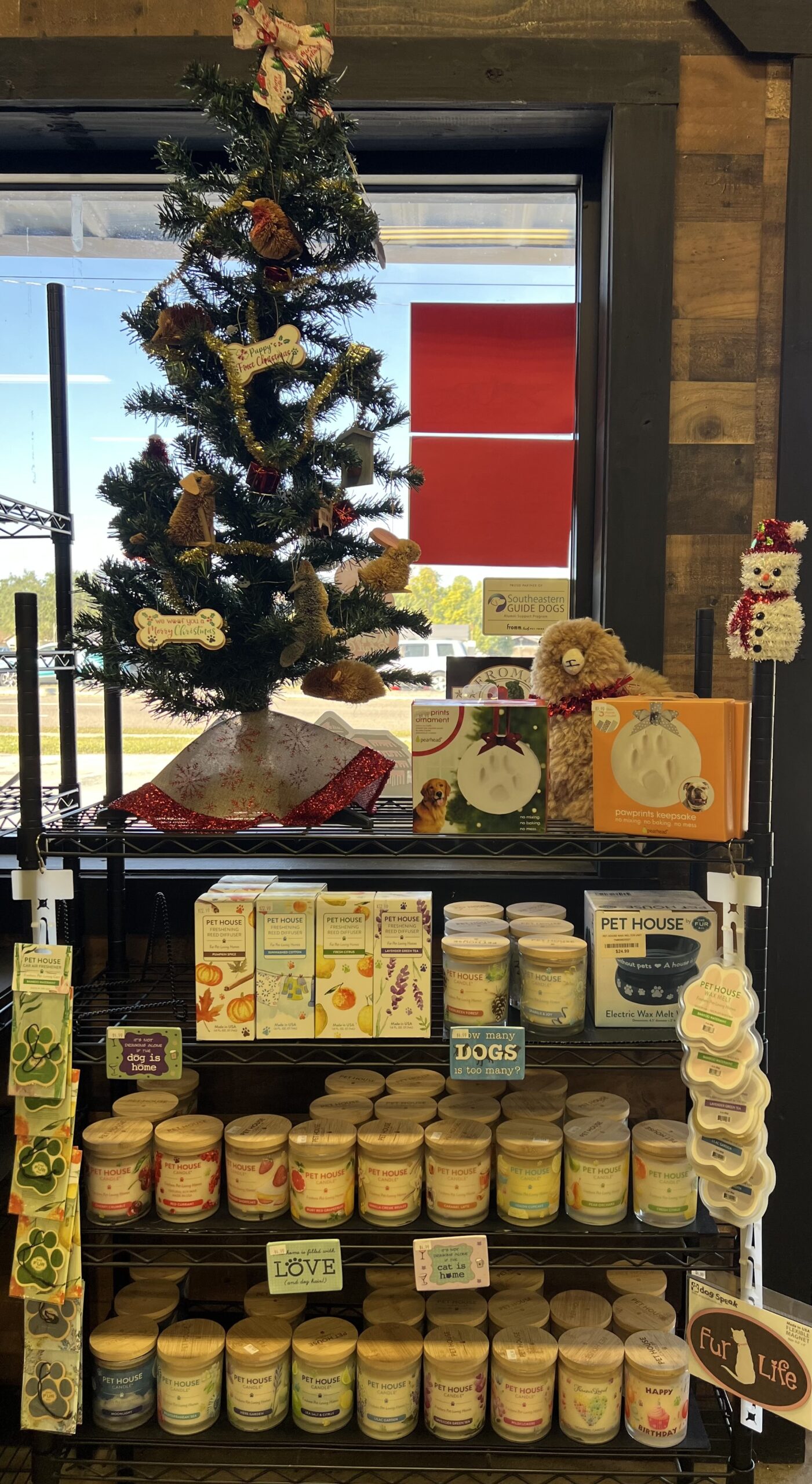
Cozy Decor and Pet Presents at Store #2

Just a short trip away, Store #2 offers its own unique holiday shopping experience, with a special focus on creating a cozy home atmosphere and spoiling your furry friends. The moment you step inside, you’ll be greeted by displays designed to inspire your holiday decorating and gift-giving.

If you’re shopping for someone who loves to make their house a home, you’ll adore our selection of candles and pet-themed decor. Find the perfect scent to create a warm and inviting ambiance for holiday gatherings! Choose a charming piece of decor that celebrates the joy pets bring into our lives. These items are perfect for hostess gifts, friends, family, or even as a little treat for yourself.

And let’s not forget the most playful members of our families! Store #2 is your one-stop-shop for pet presents that will have tails wagging and cats purring with delight. We have a fantastic assortment of toys, treats, and accessories to stuff your pet’s stocking. From durable chew toys for your dog to exciting feather wands for your cat, you can find the perfect gift to show your four-legged companions how much you love them this holiday season.

Make Your Holiday Shopping Merry and Bright

Why spend your time in stressful, overcrowded stores? You can enjoy a warm and friendly shopping experience at Kissimmee Valley Feed! Our staff is here to help you find exactly what you’re looking for. Our festive displays are sure to fill you with holiday cheer. By shopping with us, you’re not only finding unique gifts but also supporting a local business that cares about its community.

Stop by either of our locations today and see for yourself why Kissimmee Valley Feed is the perfect place for your Christmas shopping. We look forward to helping you make this holiday season the most memorable one yet!

Christmas Store Setup at Store #2 with lots of candles and pet themed Christmas decor.

Preparing Your Livestock for Winter Feeding

Monday, November 10th, 2025

cattle grazing in winterPreparing Your Livestock for Winter Feeding: With colder weather on the horizon, many farmers and ranchers are preparing for the winter months. One of the most important things to consider when getting your animals ready for winter is their feed. During this time, hay becomes the most common type of feed for livestock. However, it is essential to ensure that you have enough hay to get your animals through the season. In addition, it is necessary to think about supplementing your hay with other feeds such as grain or grass to keep your animals healthy. We have some essential tips for feeding and nutrition that will help you prepare your livestock for winter.
1) Plan for Adequate Hay Supply

Before winter arrives, farmers and ranchers need to ensure that they have enough hay to meet the demands of their livestock. One of the key challenges in preparing for the winter months is predicting the amount of hay that will be required. To estimate your hay needs, you must consider the number of animals in your herd, their weight, and the duration of the winter months. To increase the amount of hay available, you may want to consider buying hay from other farmers. Purchasing a large quantity of hay can also help cut the cost per bale.

2) Supplement with Other Nutritious Feed

Unfortunately, hay alone may not be enough to provide your animals with the nutrition they need. During winter, your livestock needs an adequate amount of vitamins and minerals. Therefore, it is crucial to supplement their diets with other nutritious feeds. Grain is an excellent source of protein and helps to maintain body heat. However, you must be cautious when feeding grain to avoid overfeeding, which can cause digestive problems. Grass can provide your livestock with essential micronutrients. This means that you should graze your animals throughout the fall season before snow accumulates on the ground.

3) Provide Adequate Water

Water is critical to the health and survival of your livestock, particularly during the winter season. Since animals rely on hay to maintain their body heat, they consume less water, which can lead to dehydration. Therefore, it is essential to provide your animals with fresh, clean water at all times. Water sources should be checked daily to ensure that it is available and unfrozen. You can also consider installing heaters or de-icers for your water sources to keep them from freezing.

4) Monitor Your Livestock

During the winter months, it is essential to keep a close eye on your animals. Checking that they are eating adequately, drinking enough water, and staying warm is crucial. Moreover, monitoring your livestock helps to detect any signs of disease or illness that require vet attention.

5) Prepare Your Barns

As the cold weather sets in, you may want to prepare your barns for your animals’ comfort and safety. Ensure your barns have proper insulation, ventilation, and clean straw or bedding to keep livestock dry and warm. Ensure that all doors and windows are properly secured to keep the cold outside.

Preparing for winter and ensuring that your livestock’s feed and nutritional needs are met may seem overwhelming. However, with the right planning and preparation, farmers and ranchers can help their animals survive the harsh winter months. By Preparing Your Livestock for Winter Feeding, you can increase your animals’ health and well-being throughout the winter season.

Fall Maintenance for Healthy Winter Horses

Tuesday, November 4th, 2025

For example, here are some steps to take around the barn:

  • Stock up on quality hay and store it in a dry place
  • Outdoor hoses and water lines need to be drained or winterized
  • Installed and check water tank heaters
  • Fences and gates should be repaired, and high-traffic areas might need to be rebuilt or topped off to help manage mud in the coming months
  • Move all medications, chemicals, and other liquids to a frost-proof area
  • Give all barn areas a thorough cleaning
  • Check over winter blankets and make any needed repairs or replacements
  • Clean and store any sheets, flymasks, or tack that won’t be used
  • Have your horse trailer serviced and park it out of the way

In conclusion, Kissimmee Valley Feed has a wonderful selection of horse hay, feeds and supplements to keep them at their best, no matter the season.

Article Source: Fall Maintenance for Healthy Winter Horses from Kentucky Equine Research

Your Keys to Fall Calving

Monday, October 20th, 2025

Three calves standing next to each other Your Keys to Fall Calving: Cattle condition and comfort are your keys to fall calving.

Spring calving season may be more common, but if you’re a fall calving operation, you know the warmer, dryer weather conditions and the seasonal high calf prices that tend to hit at weaning can yield greater results.

Yet, fall calving doesn’t come without its challenges. Preparation now means mitigating those challenges – including high temperatures and unpredictable forages – and getting calves started quicker to realize optimal cost-efficient growth.

Follow these steps this summer to gain more value from your herd in the fall:

 Set cows up for success

 It can be difficult to keep cattle in ideal body condition for the fall calving season. Pastures are transitioning from quality grasses with active growth to more mature grasses going dormant, causing energy and protein quality to decline.

With a target body condition score of six at calving, taking scores 60-90 days before calving begins allows time to change the nutrition plan if needed. Purina® RangeLand® protein supplement tubs and Purina® Accuration® Hi-Fat blocks are good options that provide extra protein and energy; they also support digestion and utilization of low-quality forage.

Remember, heifers and first-calf cows haven’t yet reached maturity during gestation. They are still growing while raising a calf, making their energy requirements higher than mature cows. Separate your herd to provide heifers and first-calf cows with a higher energy diet to be at peak performance during calving.

Fight menacing flies

Fly season may start in spring, but a strong fly control program is just as critical during fall calving season.

Flies can be a significant detriment to cattle health and performance. Horn flies carry Staphylococcus aureus, a major cause of mastitis. They can also cause damage to the udder and teats, lowering milk production.

To limit horn flies, start feeding Purina® Wind and Rain® Fly Control mineral in the spring, 30 days before flies emerge, when the daily temps average 65°F and keep feeding until 30 days after the first frost in the fall.

When it isn’t fly season, provide your herd a balanced mineral year-round using Purina® Wind and Rain® mineral. A quality mineral optimizes cows’ milk production and supports fertility and fetal development – all vital in the winter months when your cows are raising calves and getting rebred for the next season.

Combat soaring temperatures

 Higher temperatures during fall calving make water supply a top concern. During the hottest days of the year, cattle typically drink two gallons of water per 100 pounds of body weight. Adequate, clean, accessible water is a must. Allowing for two or more inches of linear space per head has been shown to decrease heat stress in cattle.

As calves start drinking water, it’s essential for water sources to be at an appropriate height. In addition, to have enough water flow. Cows typically drink first, with calves following. If the sides of the waterer are too high or the water doesn’t refill quickly, calves may not have access to water that is needed to prevent dehydration and keep their bodies cool.

Shade or shelter is another vital consideration for hot days. Trees, buildings or portable structures are all adequate sources of protection from the sun’s intense heat. Placing water tanks in shaded areas also ensures cool water for the herd.

Ready for reproduction

 You can’t be prepared for all surprises that can occur during the fall calving season. Still, making sure your herd is in peak condition, providing access to necessities, and having essential supplies on hand can help ensure calves hit the ground running.

Visit Kissimmee Valley Feed to learn Your Keys to Fall Calving. Check out our cattle feeds here.

Source: Wes Hornback, Cattle Technical Specialist, Purina Mills

Navigation


Share this page

Calendar

July 2026
No event found!

Quick Info


Main Store
1501 Eastern Ave map

Saint Cloud, FL 34769..

Contact Info

Phone: 407-957-4100
Fax: 407-957-0450

Store Hours

Mon-Fri: 8:00 am - 6:00 pm
Sat: 8:00 am - 5:00 pm
Sunday Closed


Second Store
215 13th Street

St. Cloud, FL 34769

Contact Info

Phone: 407-892-4040

Store Hours

Mon-Fri: 8:00 am - 6:00 pm
Sat: 8:00 am - 5:00 pm
Sunday: Closed

Owner: Samantha Holloway
1501 Eastern AveSaint Cloud, FL 34769
Phone: 407-957-4100
Fax:407-957-0450

2nd Store
215 13th Street St. Cloud, FL 34769

Contact Info
Phone: 407-892-4040
Store Hours
Mon - Sat 9:00 am - 7:00 pm
Sun Closed