

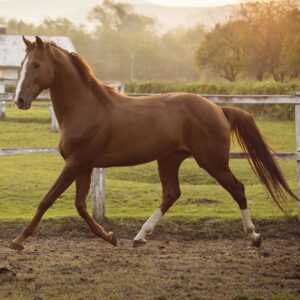
 Your Horse: Avoid Being Felled by Fall Founder: If you’ve been involved with horses for any length of time, you’re no stranger to the anguish caused by laminitis. You may be aware of common causes of founder. For example: grain overload, endocrine disturbances, and overloading of supporting limbs, there’s one you may overlook: fall grazing.
Spring pastures contain high levels of sugar that can induce a bout of laminitis. However, a feeding frenzy in the fall could have the same effect.
Fall Founder:
“Some rain and a late-summer heatwave, especially after a long, dry summer, can cause pastures to have a growth spurt similar to what happens in the spring. These pastures can have high water-soluble carbohydrate levels, including both sugar and fructan, that may induce laminitis,” explained Catherine Whitehouse, M.S., a Kentucky Equine Research nutrition advisor. “Fall founder can also occur following the first frost.”
Cool-season forages such as tall fescue continue to grow late in the year, posing a risk for any horse or pony predisposed to developing laminitis. Further, cool-season grasses often experience a dramatic increase in sugar content after a frost.
“Grazing muzzles must be used for at-risk horses even in the fall to avoid pasture-associated laminitis,” Whitehouse said.
Management:
Using a research-proven buffer such as EquiShure will help minimize changes in hindgut pH, thereby stabilizing the intestinal microbiome.
Laminitis remains one of the most common reasons for euthanasia of horses. Above all, direct efforts at hoof health regardless of the season. One study* reports reasons related to euthanasia were attributed to disease stage, severity, and progression. For example, persistent lameness following a recent bout of laminitis commonly prompted owners to elect humane euthanasia. A horse had a slow recovery from a laminitic episode. Some owners perceived their horses were at risk for future episodes and chose to euthanize.
“Owners were also more likely to elect humane euthanasia if slow recovery necessitated prolonged periods of time in a stall. Owners believed extended stall rest would negatively affect their horse’s psychological well-being and quality of life,” added Whitehouse.
Horses that have recovered from laminitis may benefit from a well-rounded hoof supplement. “Kentucky Equine Research offers high-quality products that include nutrients necessary for growth of strong, resilient hooves, such as biotin, zinc, methionine, and iodine,” shared Whitehouse.
In conclusion, do you have a specific question about your horse’s health or diet? Visit Kissimmee Valley Feed today to check out our horse feed, hay and supplies!
Article Source: Kentucky Equine Research
*Pollard, D., C.E. Wylie, J.R. Newton, and K.L.P. Verheyen. 2020. Factors associated with euthanasia in horses and ponies enrolled in a laminitis cohort study in Great Britain. Preventative Veterinary Medicine 174:104833.
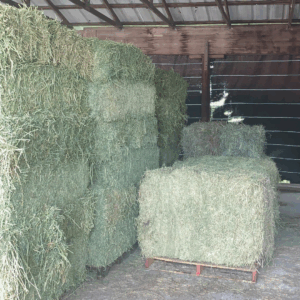 Save Money on Specialty Hay at Kissimmee Valley Feed in St. Cloud, FL.! As the days grow shorter and a crispness fills the air, experienced animal owners know that now is the time to prepare for the cooler months ahead. One of the most critical tasks is securing enough high-quality forage for your livestock. With natural grazing becoming scarce, a reliable supply of hay is essential to keep your animals healthy, happy, and well-fed through winter. We’re here to help you get ready with our selection of premium specialty hay, now available at lowered prices.
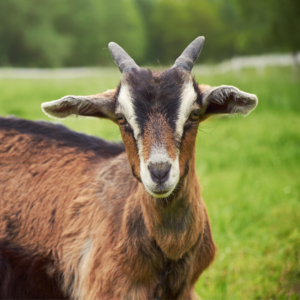 4 Tips for Managing and Feeding Goats in the Fall: Just like people, fall is a transition period for goats. This is the time to prepare their bodies for winter weather and the breeding season, and make adjustments to their diet as needed with good quality forage.
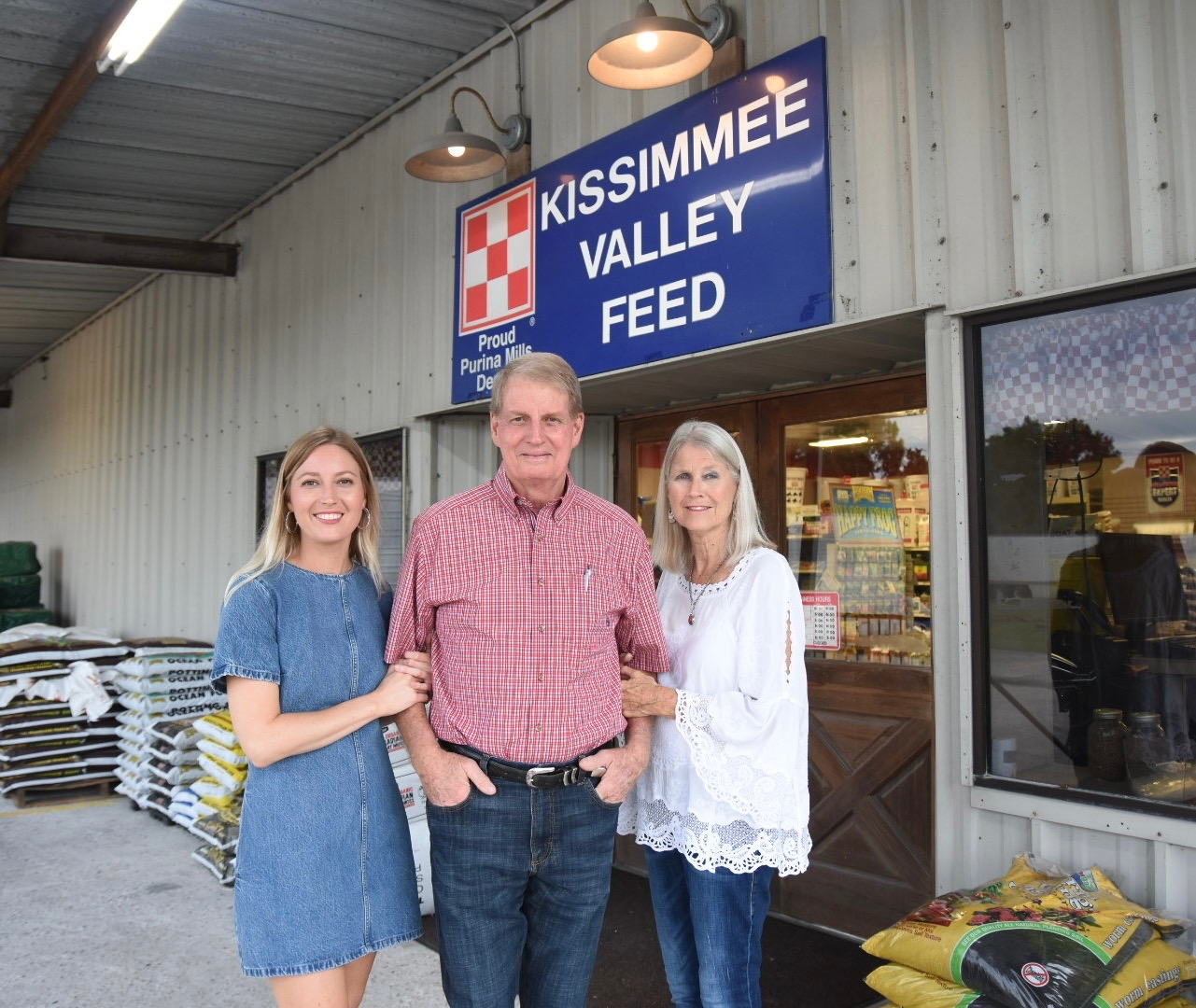
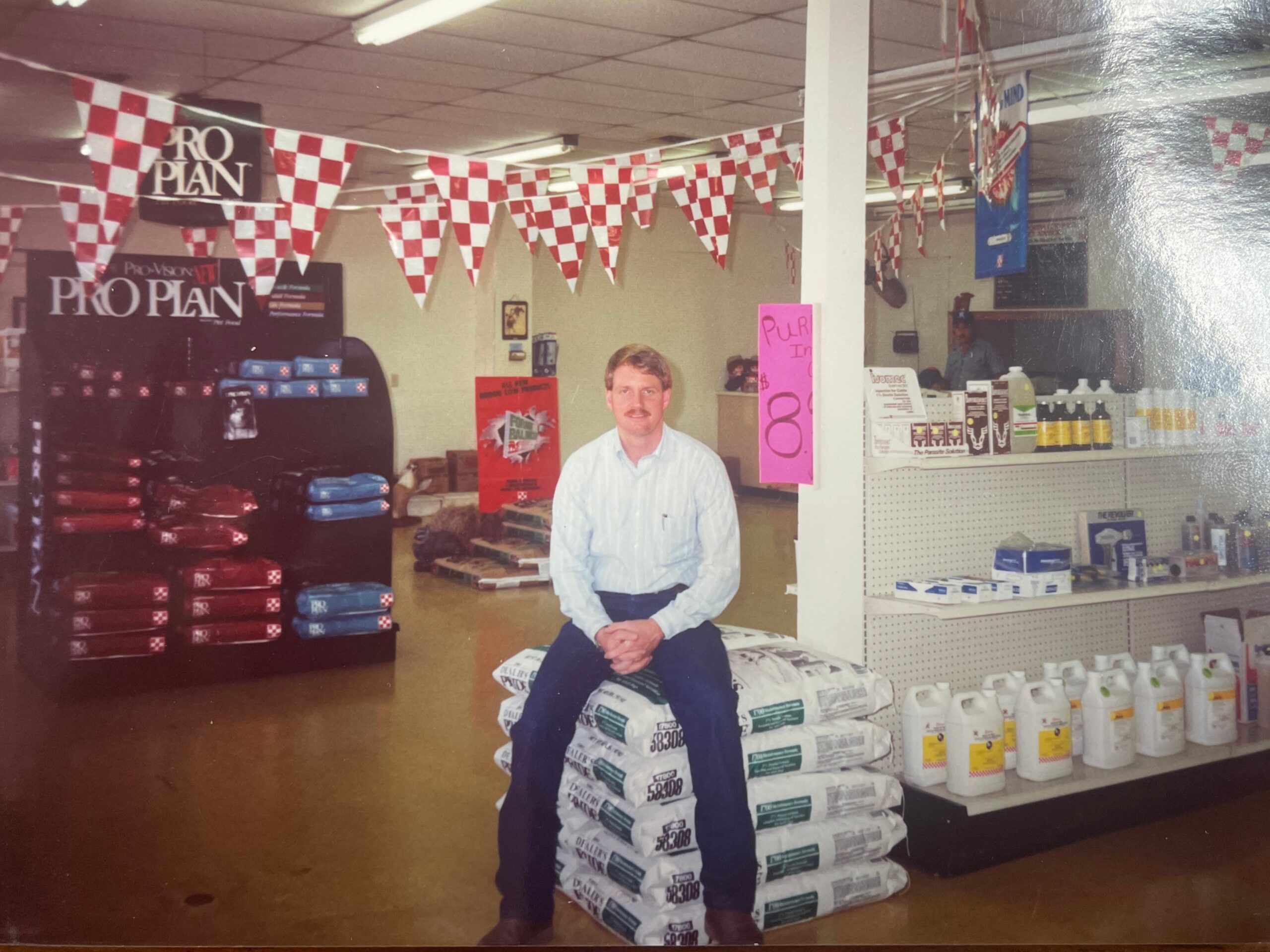
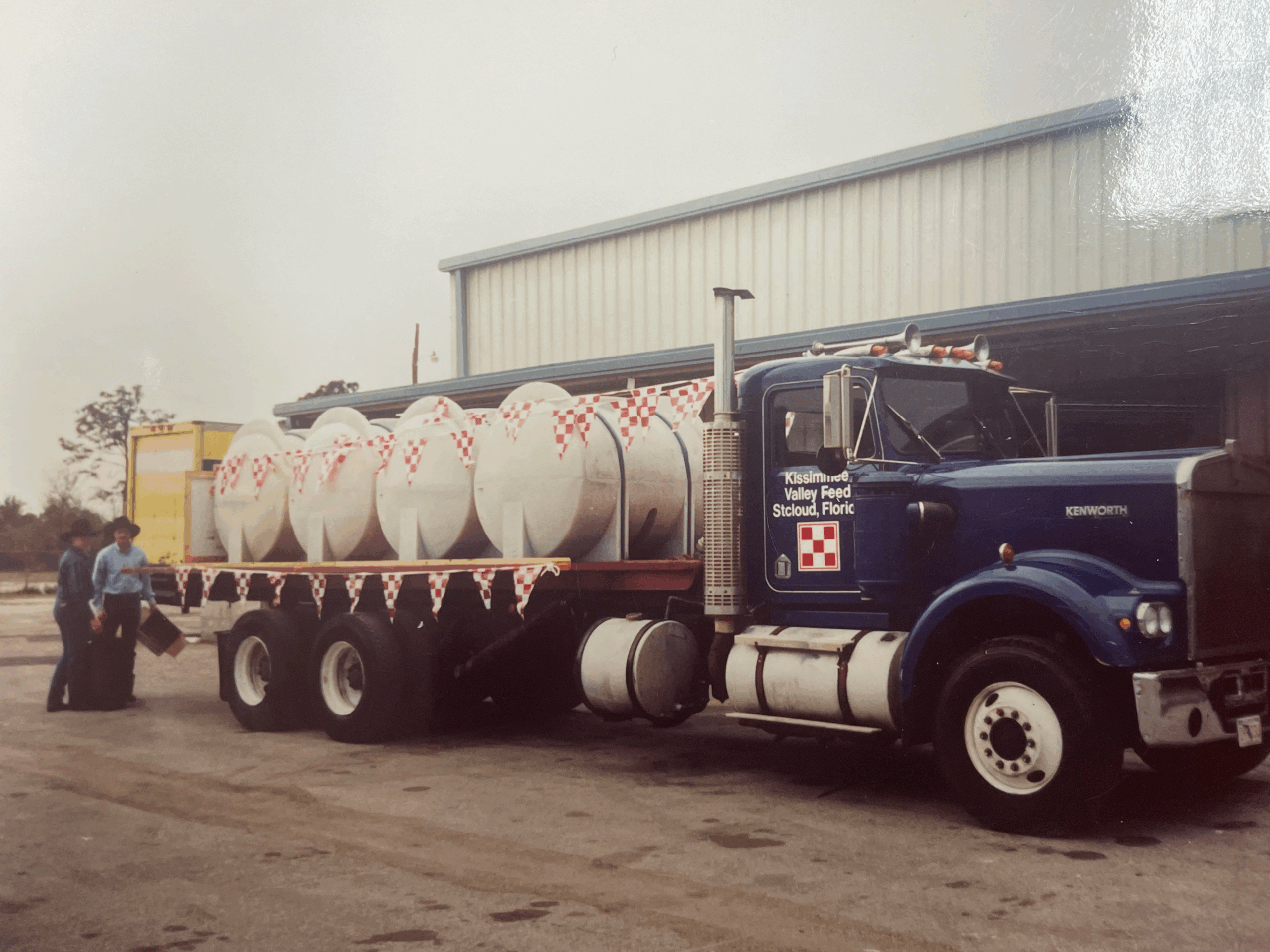
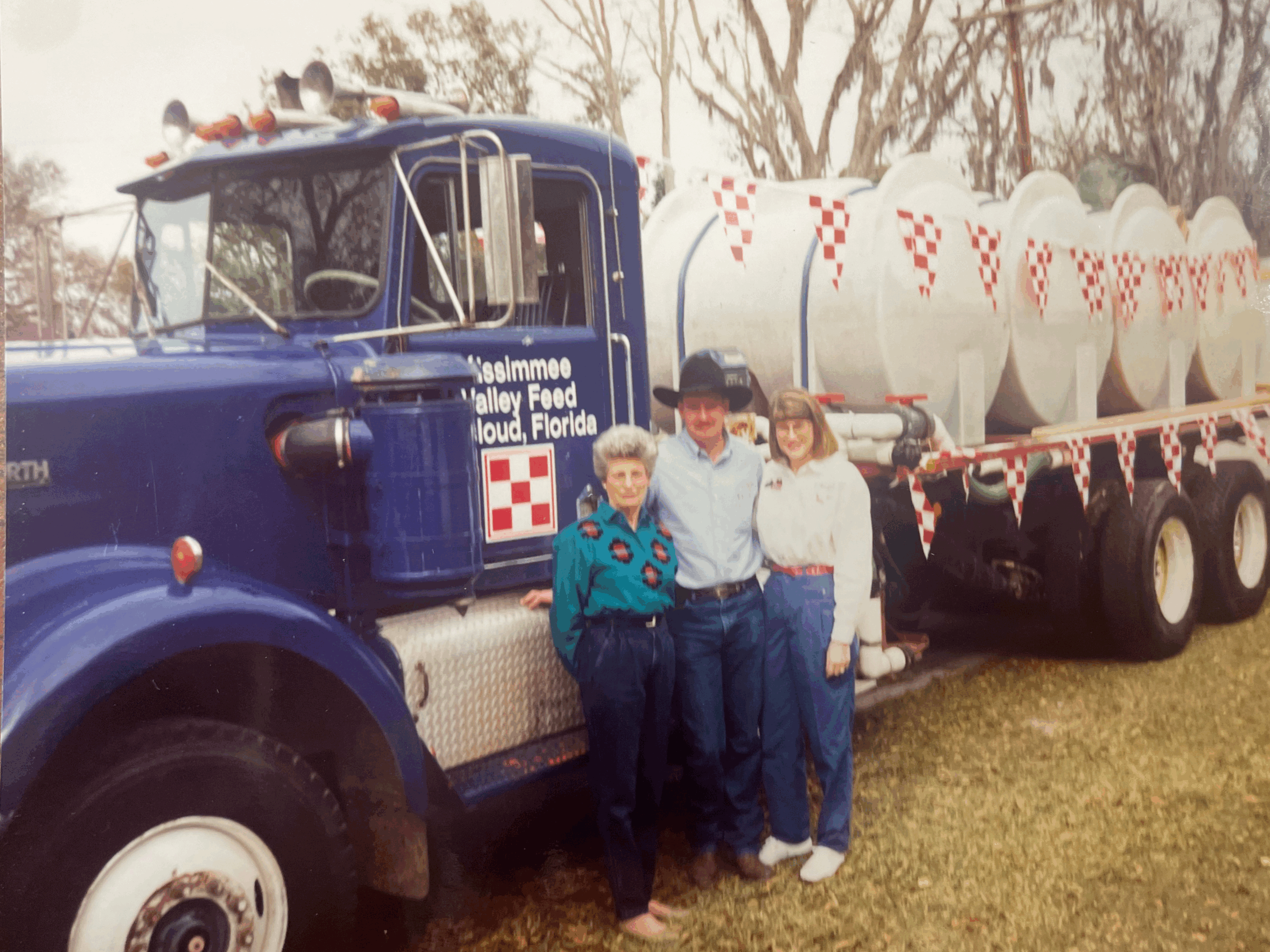
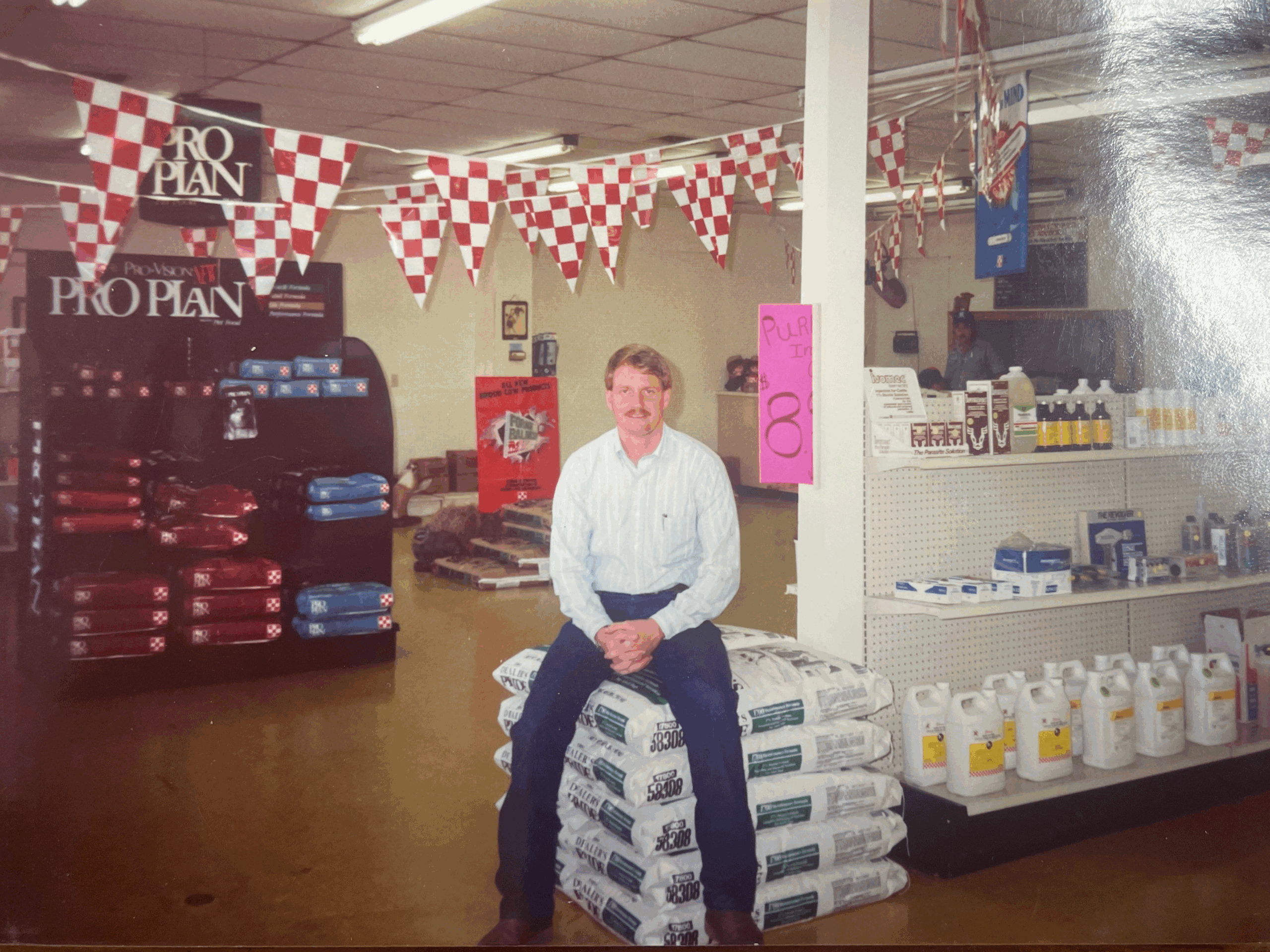
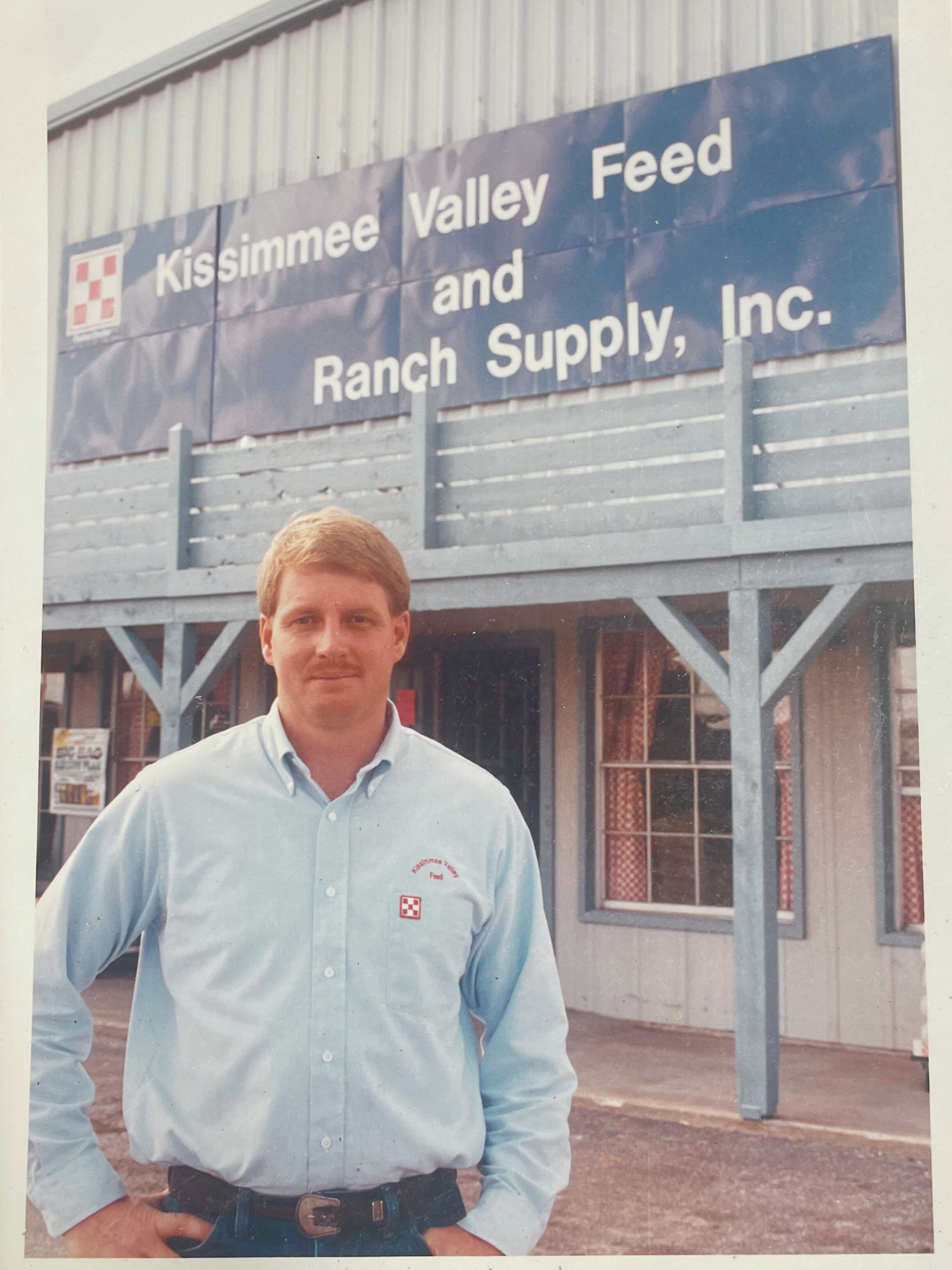
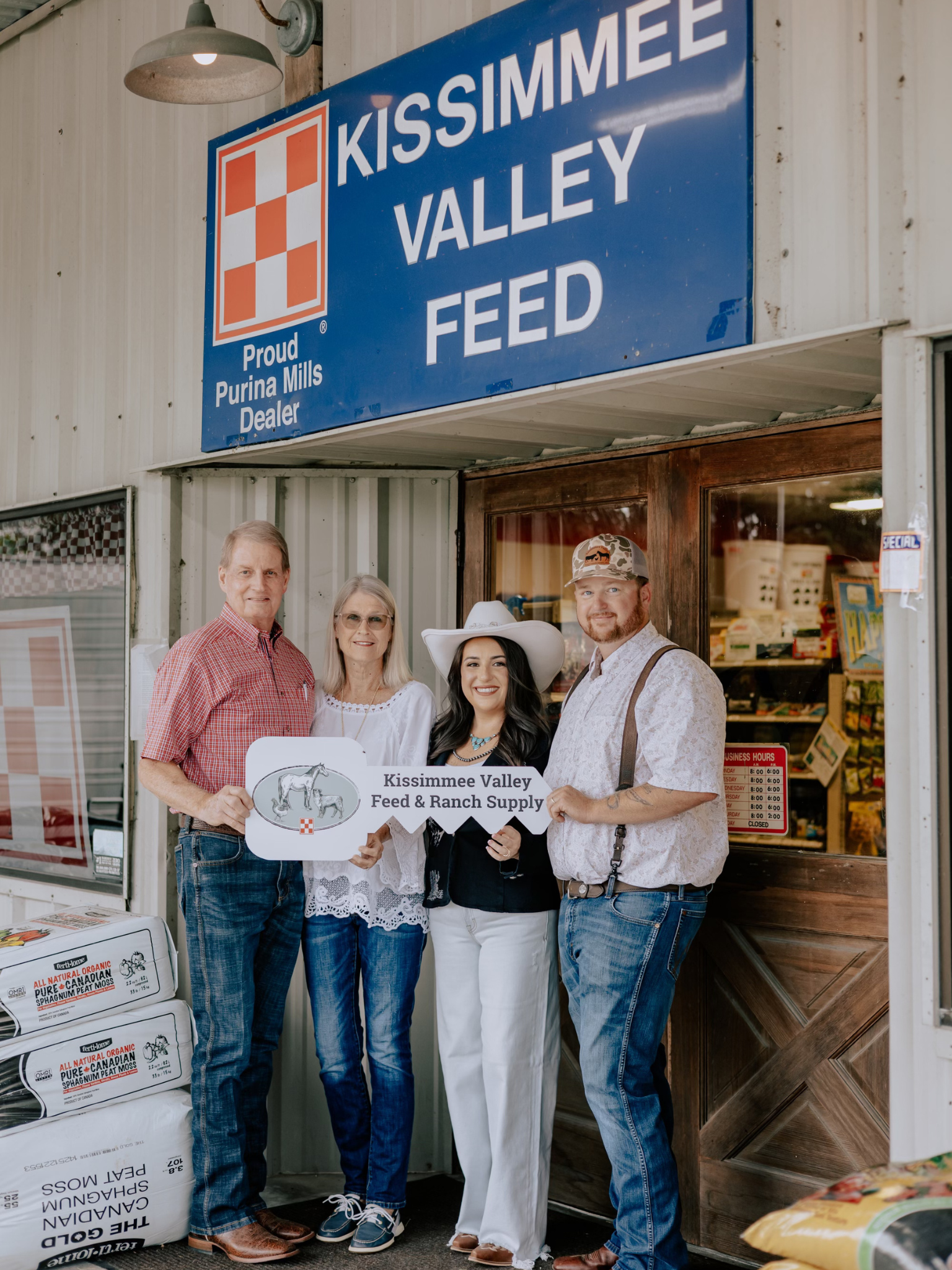
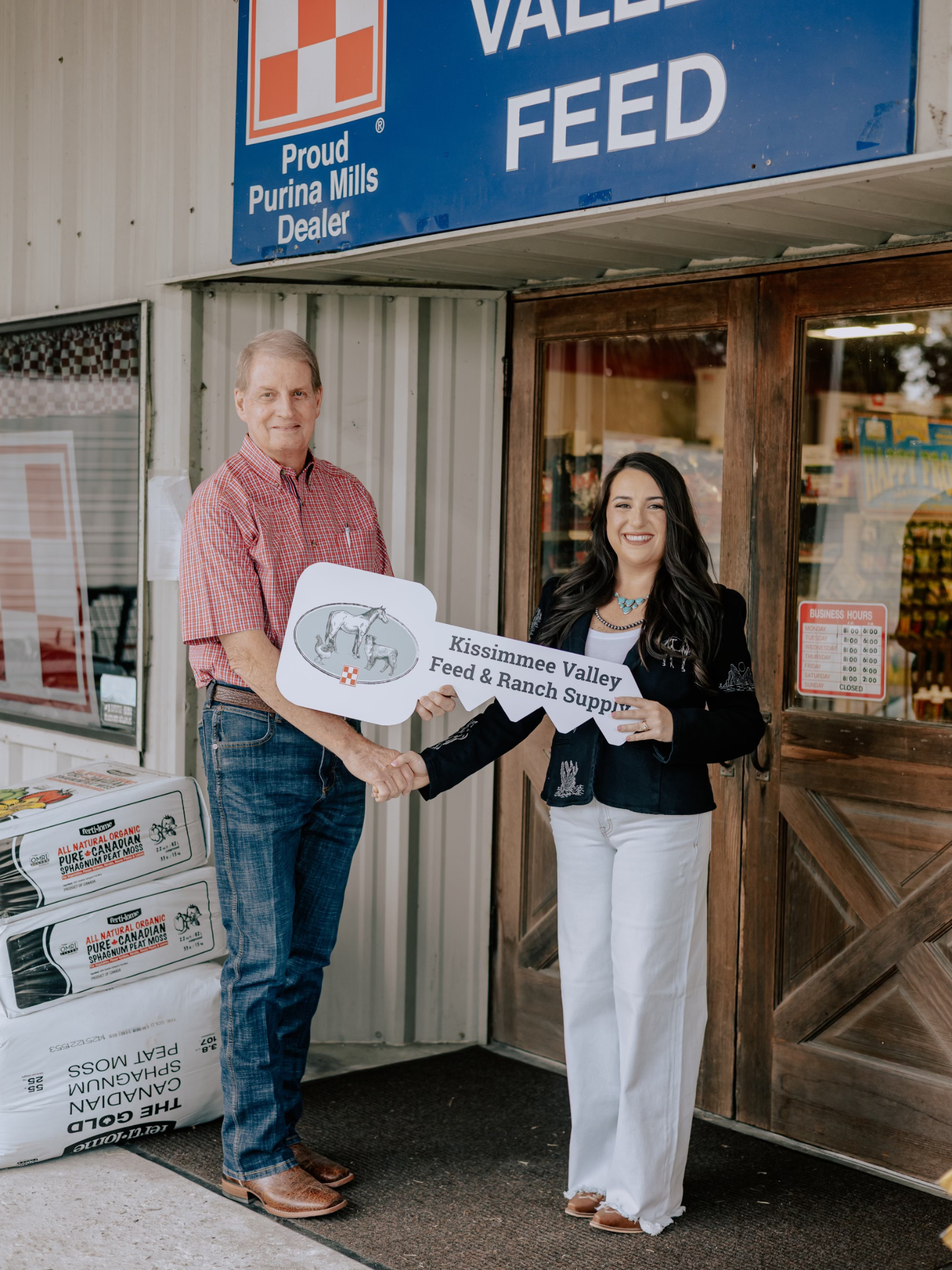
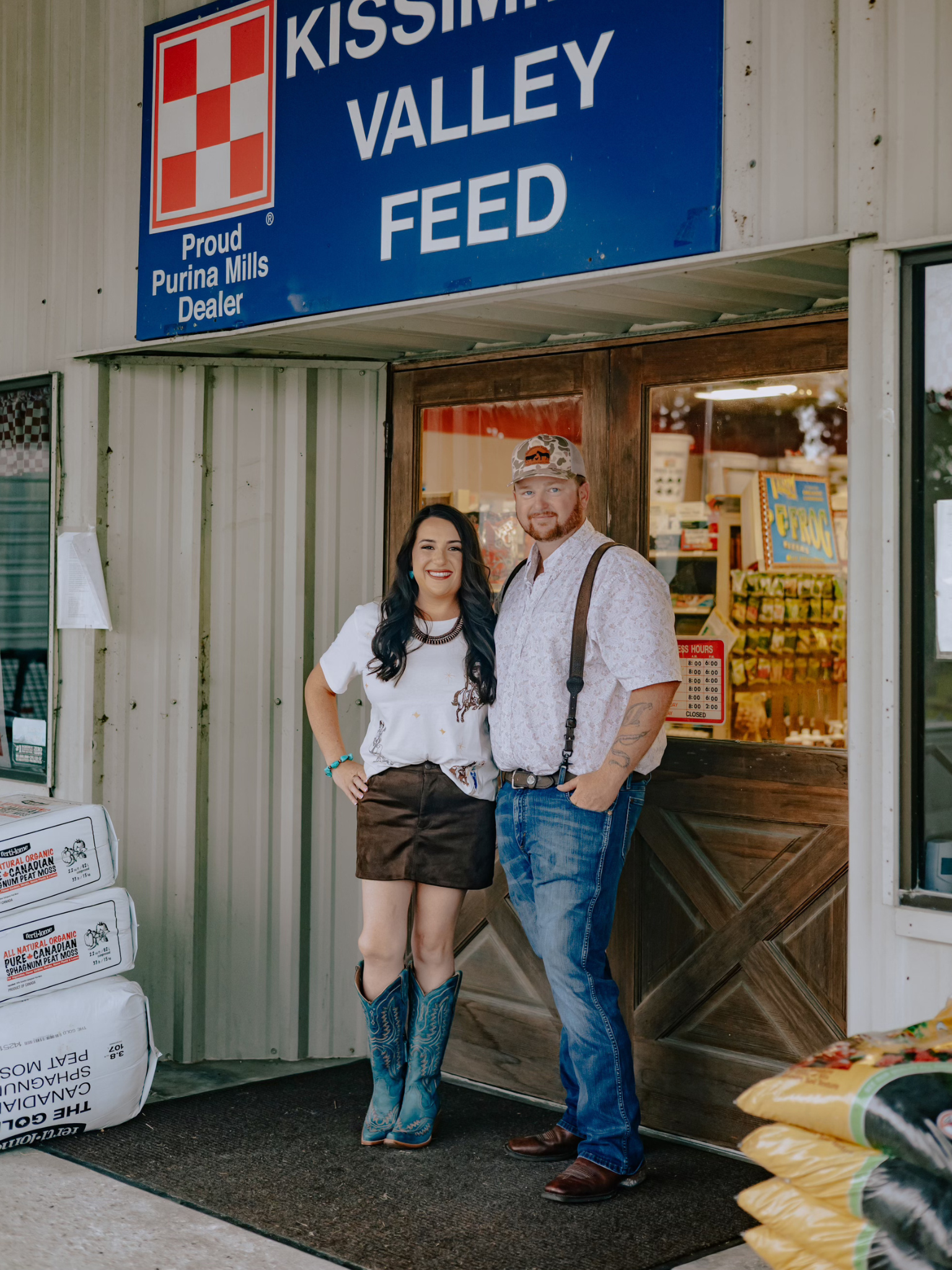
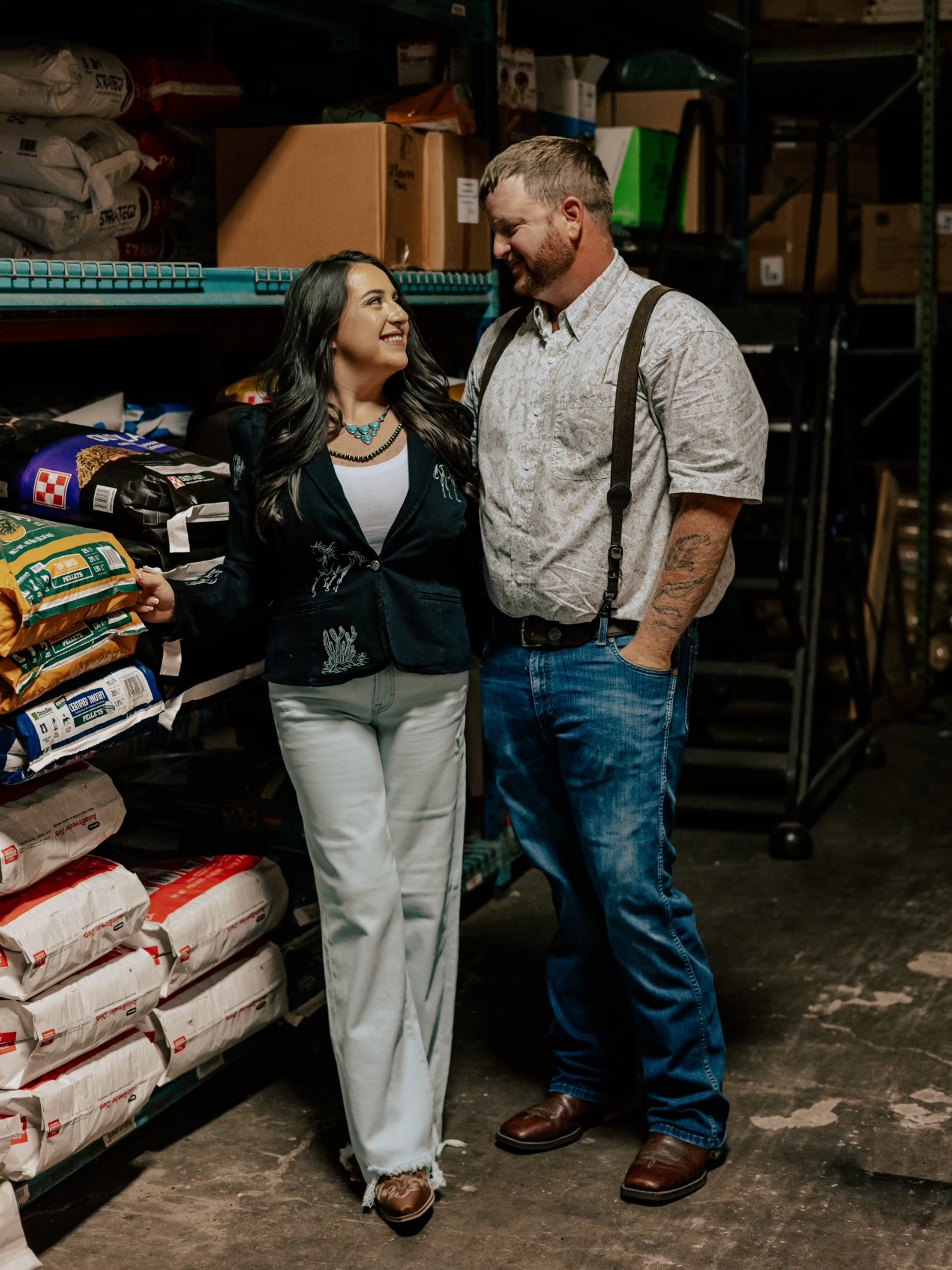
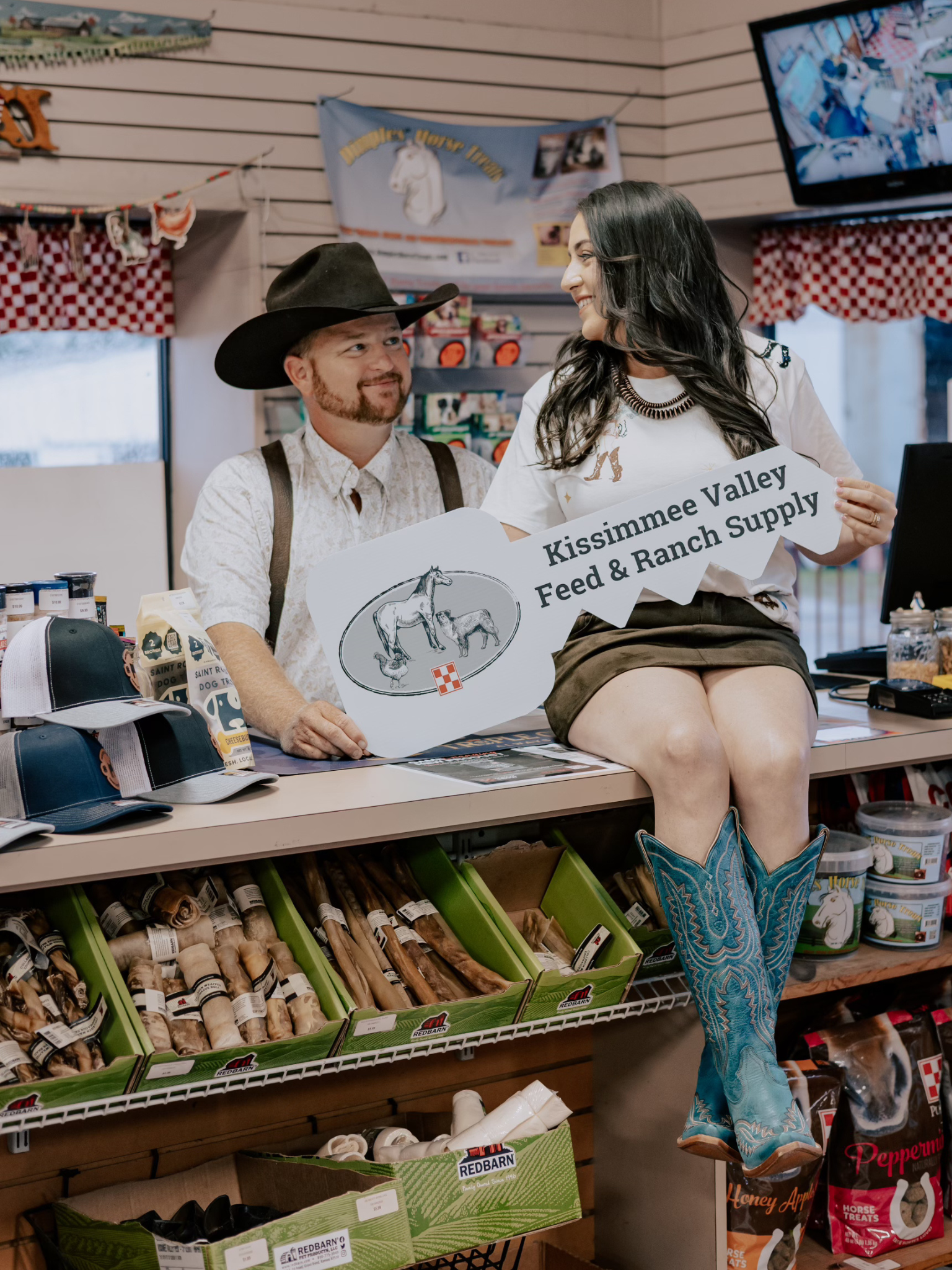
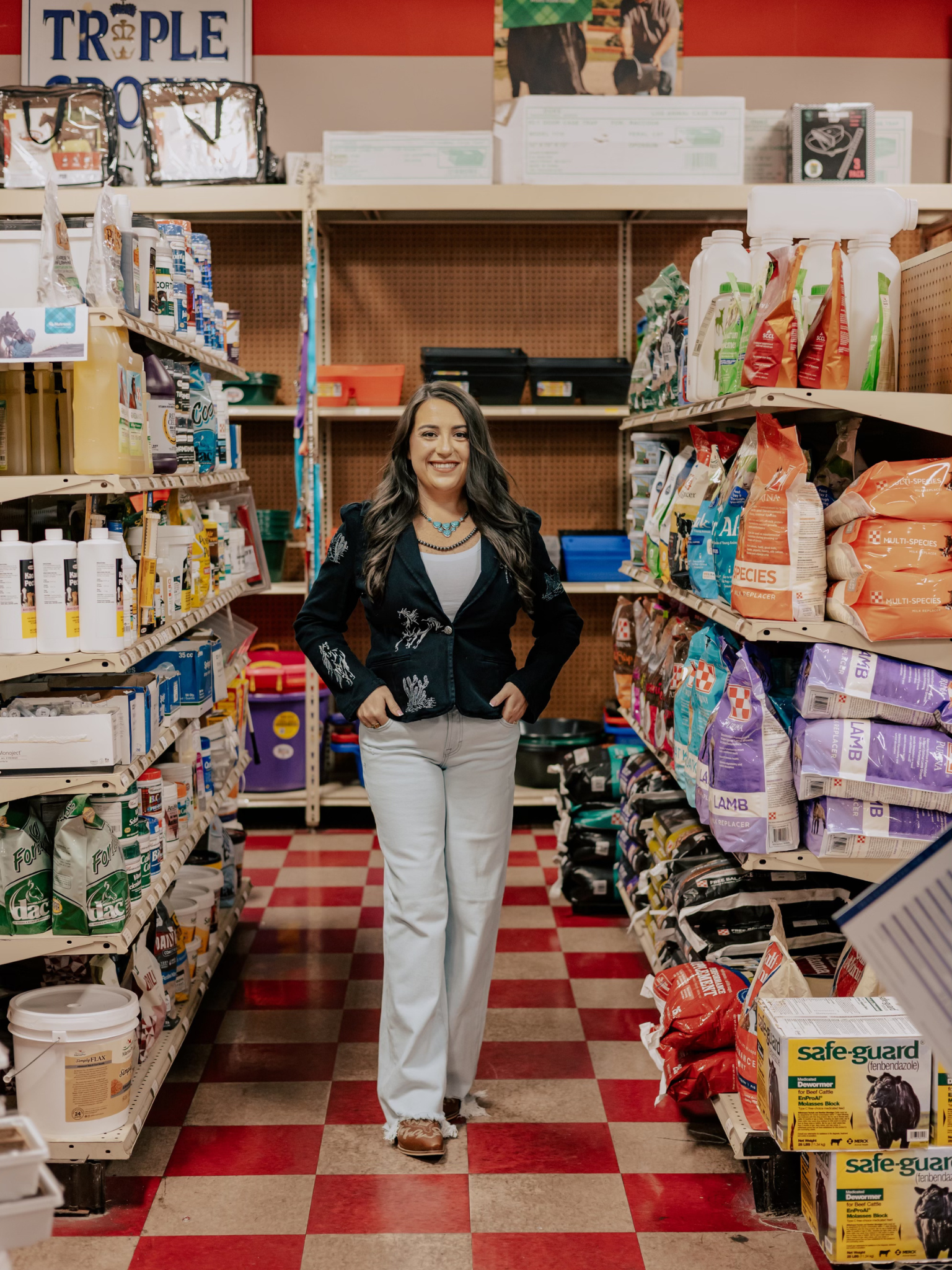
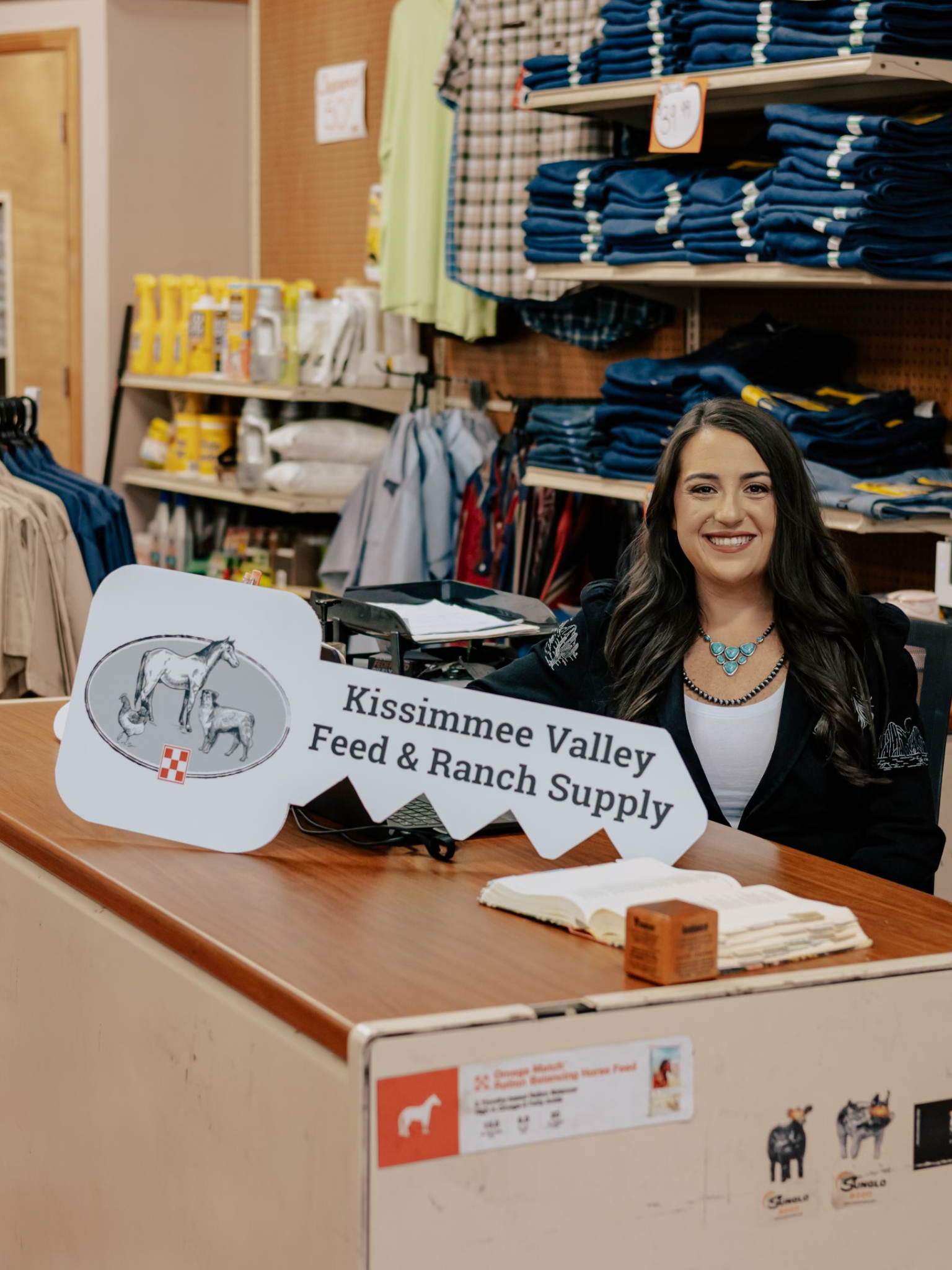
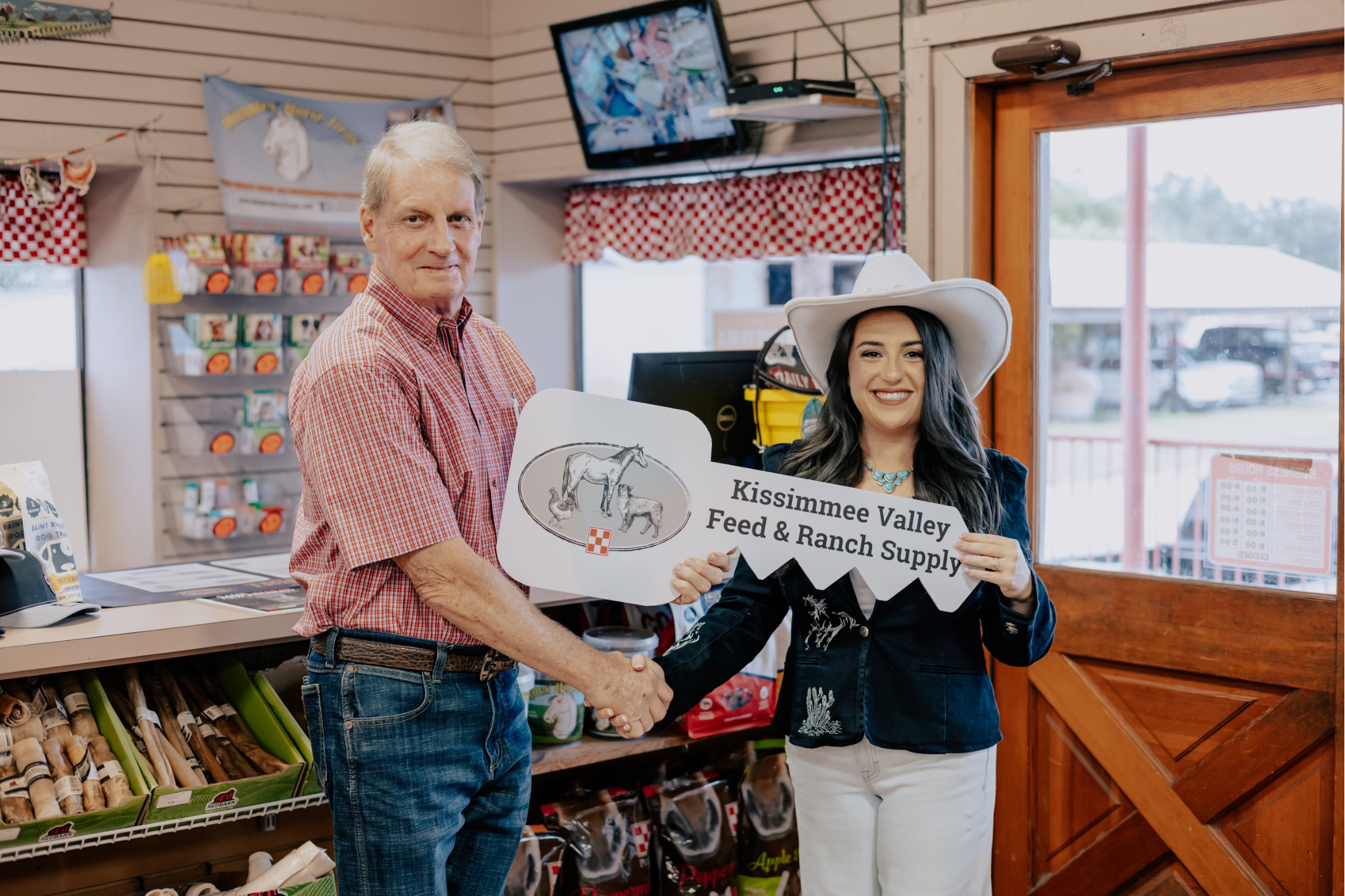
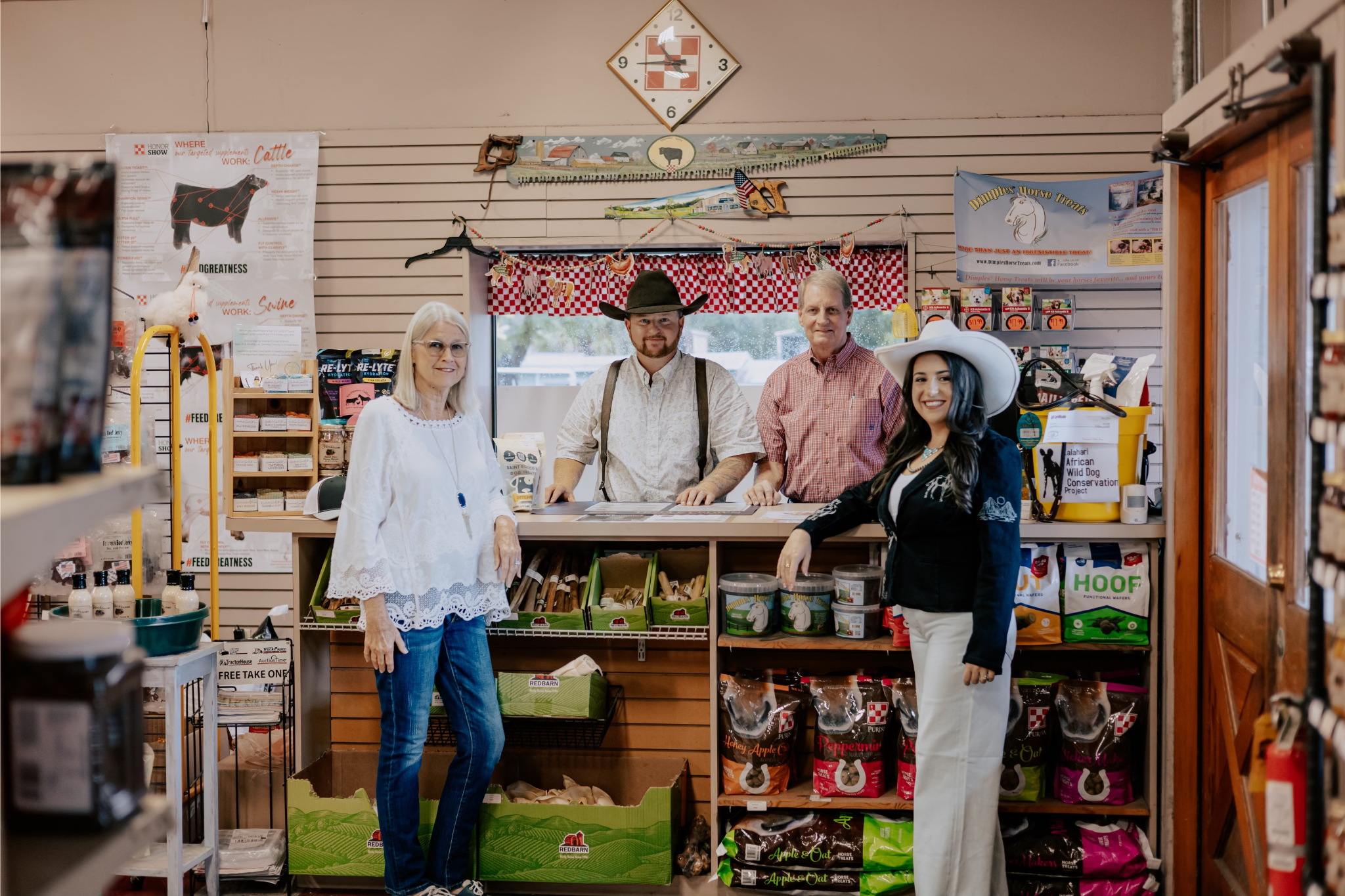
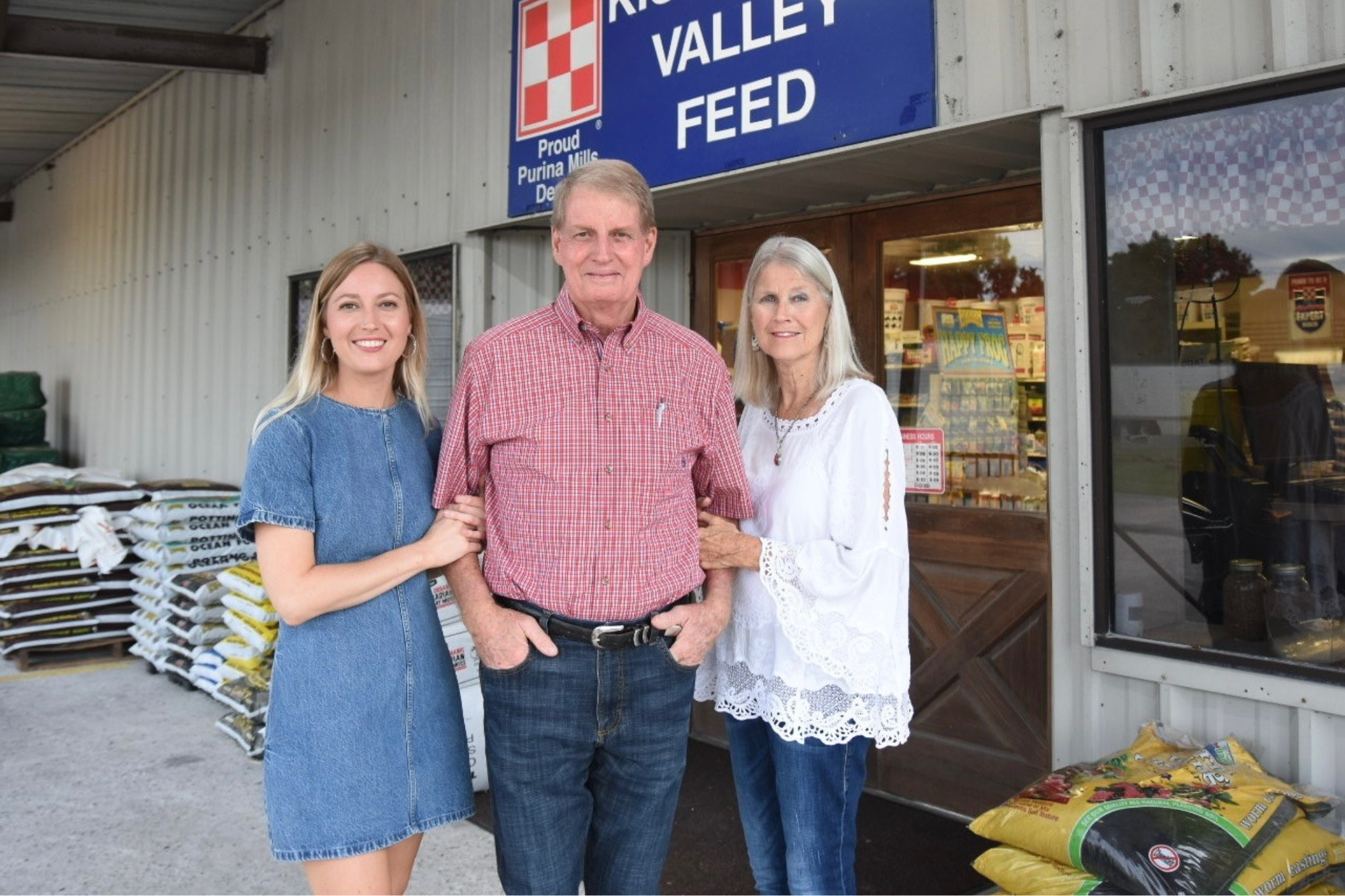
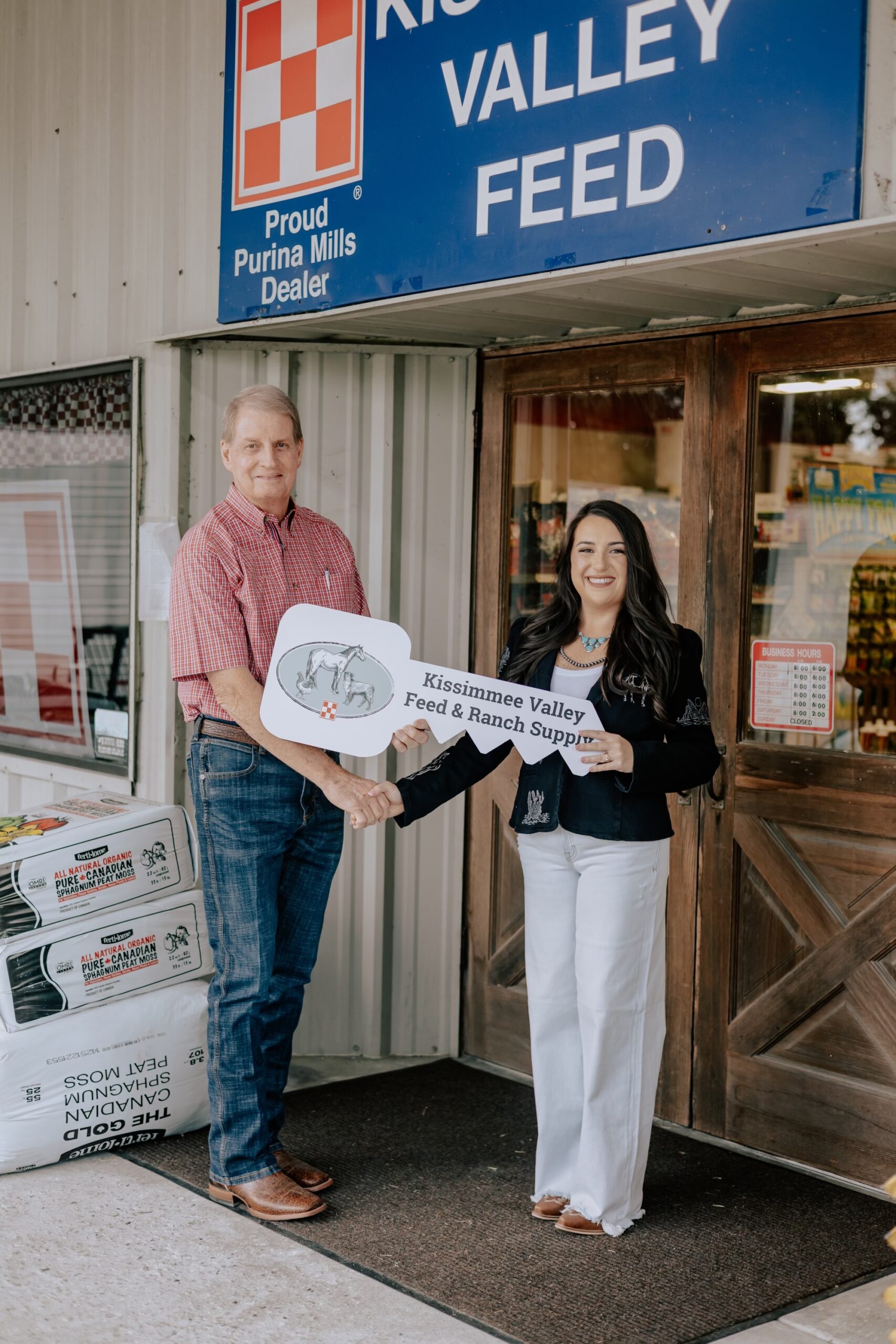 Stan Touchstone is Handing Over the Keys to Kissimmee Valley Feed (both locations!) After 34 years of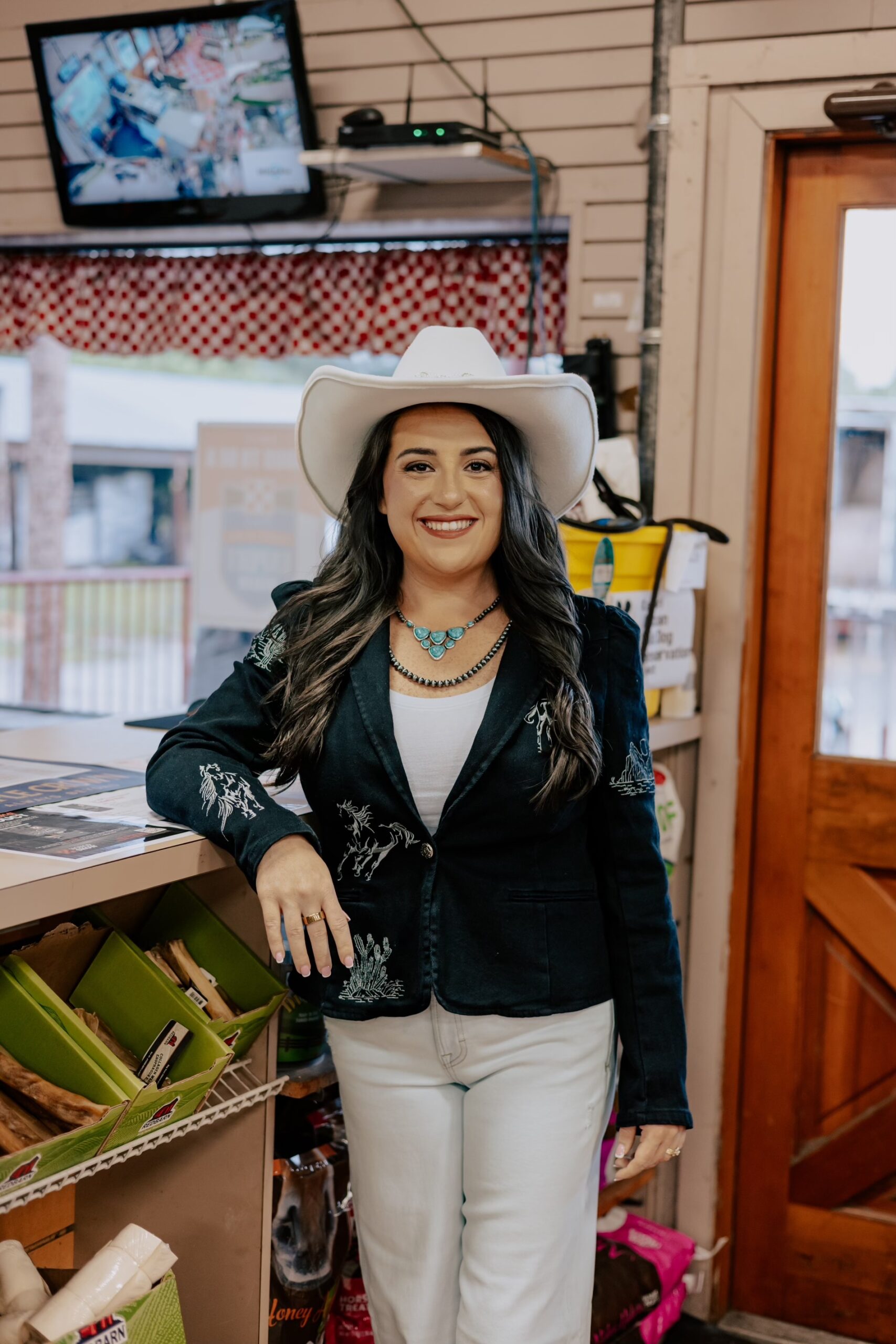

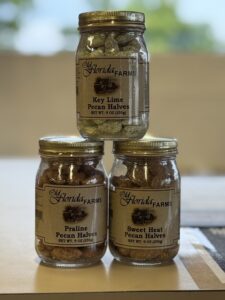 When it comes to Old Florida Farms products, the company is a grower, packer, and distributor of foods and other products unique to Florida.