Archive for the ‘News & Updates’ Category

Preventing Heat Stress in Cattle

Friday, July 20th, 2018

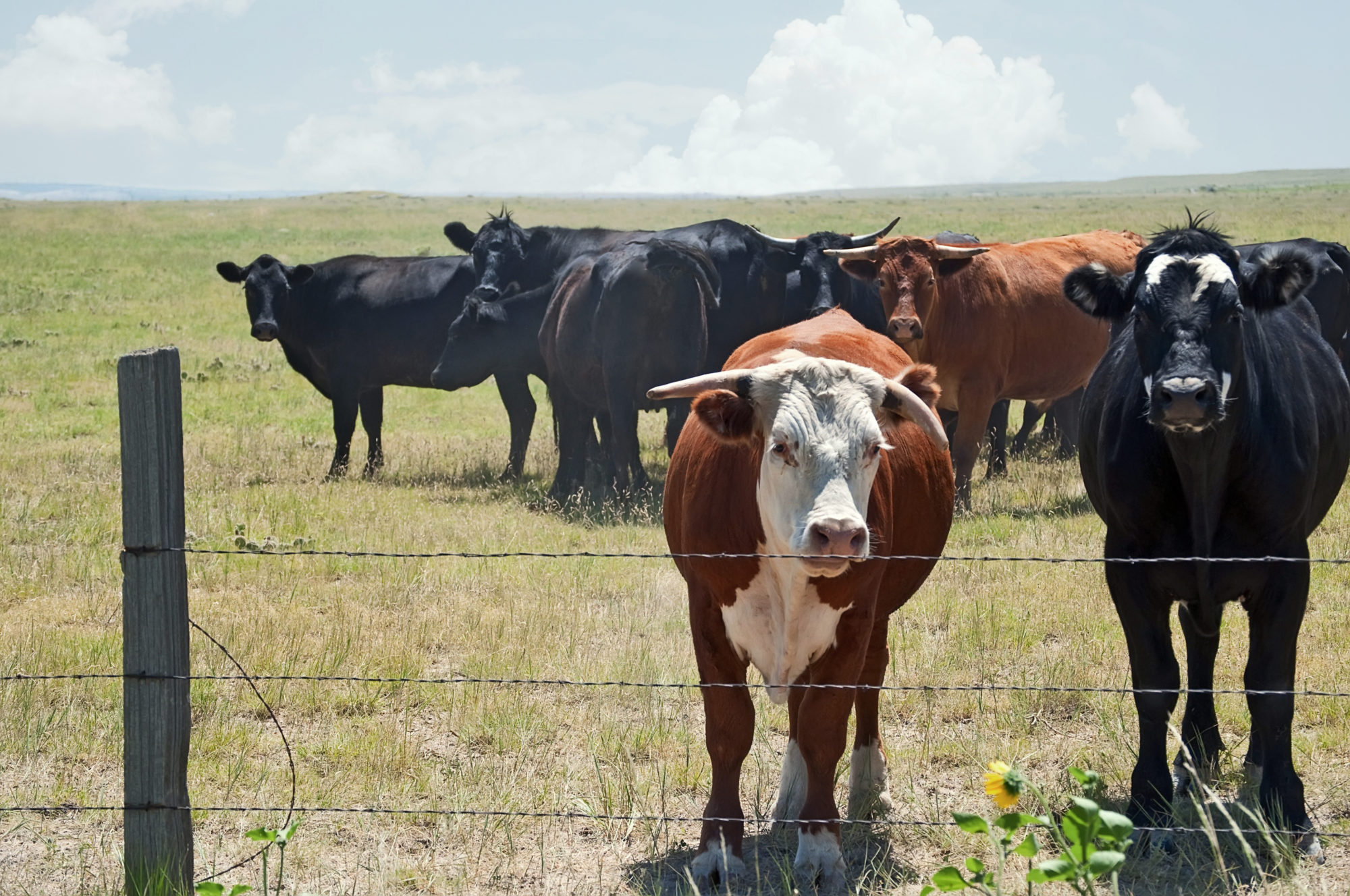
Preventing Heat Stress in CattleChanges in dairy-ration formulation and feed management can help prevent reductions in dry matter intake during hot weather, advises Alvaro Garcia, South Dakota State University Extension dairy specialist.

“Heat stress occurs when cows cannot dissipate enough heat to maintain their core temperatures below 101.3°F,” says Garcia. “Internal heat production increases at higher dry-matter intakes, which makes high-producing cows more sensitive to heat stress. Body-temperature increases of just 2.7° have been shown to result in intake reductions of almost 13 lbs.”

When intake drops, nutritionists often formulate energy-dense rations with more concentrates and less forages. That’s a sound practice, says Garcia, if there’s sufficient effective fiber to stimulate rumination and maintain adequate rumen pH.

“Heat-stressed cows reduce rumination and tend to select finer feed particles. This combination of more concentrated rations, together with a reduced capacity to buffer rumen pH, increases the risk of acidosis during hot weather. These changes can be observed in farms by a reduction in milkfat and higher incidence of lameness.”

Here’s Garcia’s checklist of feeding strategies that help reduce excessive drops in intake:

  1. Feed in early mornings or evenings so the highest metabolic heat production doesn’t coincide with maximum environmental temperatures.
  2. Avoid feed shortages in the bunk. When offering fresh feed, there needs to be 0.5-5% refusals. Target refusals by pen as follows: fresh cows, 3-5%; high pen, 1-4%; low pen, 0.5-3%. Remove refusals at least once a day to minimize heating of the fresh feed.
  3. Feeding a TMR is better than supplying feedstuffs individually.
  4. Silages improve ration acceptability and have low pH, so they slow mold and yeast growth and reduce heating.
  5. Including other high-moisture products such as sweet bran, beet pulp or wet distillers grains also helps increase ration acceptability.
  6. Add water when ration dry matter exceeds 60% to bring it down to 50%. Water conditions the ration, reduces dust and increases its acceptability.
  7. Feeding at least twice a day and mixing the TMR immediately prior to feeding helps reduce heat buildup in the feed bunk.
  8. Push up feed 8-10 times a day. Make sure there’s feed available all along the feed bunk; cows tend to concentrate and eat close to fans or water troughs.
  9. Manage the silo face to prevent secondary fermentations and heating. Defacer equipment minimizes air infiltration. Remove at least 1’ daily from all the exposed face, and use all removed silage as soon as possible.
  10. Use feed additives to control mold growth and reduce secondary fermentations and excessive heating in the feed bunk. Most of these products contain propionic acid.
  11. Feed high-quality, highly digestible forages. Target minimum effective NDF at 22% of the diet dry matter.
  12. Avoid excessive particle breakdown during mixing. Most TMR mixers have three- to six-minute mixing times when they have been turning during loading. Check particle size with a Penn State forage particle separator. The top sieve of a three-sieve separator should retain 2-8% of the diet.
  13. Feed additives such as yeasts, fungi and/or probiotics can improve rumen health.
  14. Increase sodium bicarbonate to 1% of the diet; also supply it free choice.
  15. Heat-stressed cows lose lots of minerals. Increase sodium, potassium and magnesium to at least 1.5, 0.45 and 0.35% of the diet dry matter, respectively. White salt (sodium chloride) is a source of sodium; however it’s important to maintain chlorine at 0.35% of the diet dry matter, and not exceed 0.5% white salt.
  16. Use rumen-protected fat to increase the ration’s energy density, but avoid unprotected fats such as vegetable oils or tallow.
  17. Maintain high levels of starches and sugars in the diet (26 and 8%, respectively). Cereal grains that contain starch with slower degradation rates, such as corn and milo, are better than wheat and barley, which have faster degradation rates.
  18. Place water troughs in shade and clean them frequently. Cows prefer to drink water with a temperature between 63 and 82°F. If the water isn’t cool enough, it further adds to the heat load.

Source: Hay & Forage

Doggy Play Day

Monday, July 9th, 2018
Aug ’18
11
11:00 am

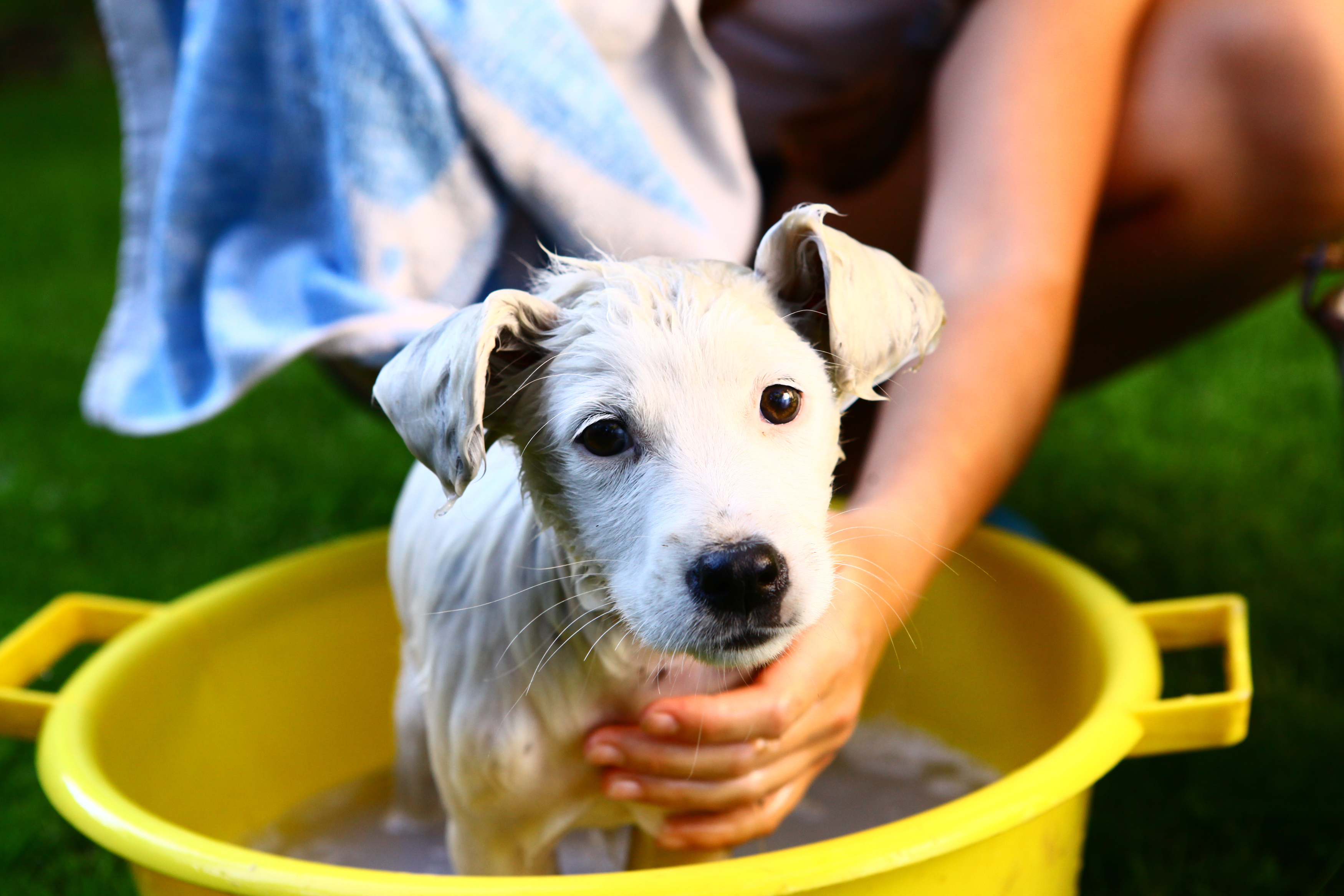
doggy day playJoin Kissimmee Valley Feed at our newest location, 215 13th Street, St. Cloud 34769, for Doggy Play Day on Saturday, August 11th from 11 AM to 1 PM. Bring your dogs by the store to play. Dogs must be dog-friendly and get along with other dogs. We’ll offer 1/2 price baths and 10% off toys during the event. We will have bobbing for treats and a pool set up out back for those that would rather play in water! There will be a free gift for all that attend. Please, no in heat females.

This is a great opportunity to socialize your pets, try out our pet wash, and pick up some toys or treats! If you have any questions about this upcoming event, give us a call or stop by the store. We are happy to answer your questions!


Flea Control Workshop

Monday, July 9th, 2018
Jul ’18
14
11:00 am

Flea Control WorkshopAre you like the rest of us and have a constant battle with fleas? Join us this Saturday, July 14 from 11-noon at our newest location, 215 13th Street, St. Cloud 34769, for a FREE flea control workshop. We’ll help you get your flea population under control. Attendees can take advantage of discounts on flea products. Have questions, let us know!

Call the store to RSVP 407-892-4040.

Summer Car Heat Safety for your Pet

Thursday, June 28th, 2018

Heatstroke

You’ve heard of it, you knew it affected people, and you were even vaguely aware that it could affect your pet. But how does it happen? And most important, how can you help your pet avoid it? Heatstroke is a deadly disease that can kill your beloved companion, even with emergency treatment. The best way to avoid this terrible situation is prevention, and it’s all up to you.

Sun + humidity = heatstroke(and other factors that kill)

Everyone knows that the inside of a car on a hot summer’s day can be lethal. But Fido needs you to know more than that to keep him safe in the deadly sun. Days above 90 degrees, especially with high humidity, are inherently dangerous for your pet. Humidity interferes with animals’ ability to rid themselves of excess body heat. When we overheat we sweat, and when the sweat dries it takes excess heat with it. Our four-legged friends only perspire around their paws, which is not enough to cool the body. To rid themselves of excess heat, animals pant. Air moves through the nasal passages, which picks up excess heat from the body. As it is expelled through the mouth, the extra heat leaves along with it. Although this is a very efficient way to control body heat, it is severely limited in areas of high humidity or when the animal is in close quarters.

The shape of an animal’s nasal passages can contribute to an animal’s tendency to overheat. Brachiocephalic (pug-nosed) dogs are more prone to heatstroke because their nasal passages are smaller and it’s more difficult for them to circulate sufficient air for cooling. Overweight dogs are also more prone to overheating because their extra layers of fat act as insulation, which traps heat in their bodies and restricts their breathing capabilities. Age can also be a factor in an animal’s tendency to overheat–very young animals may not have a fully developed temperature regulating system, and older pets’ organ systems may not be functioning at 100 percent, leaving them prone to heat-related damage.

Cracking the windows doesn’t cut it

So where are the danger zones? The most obvious is your car: It can become a death trap even on a mild sunny day–and can insidiously raise the car’s temperature to well above 120 degrees! Never, ever leave your pet inside the car. If Fido can’t come with you when you get out of the car, leave him at home.

What are some other dangerous situations for your pets? Leaving animals outdoors without shelter is just as dangerous as leaving them inside a hot car. Be sure they are not left in a cage in the hot sun, on a chain in the backyard, or outdoors in a run without sufficient shade or air circulation.

Their lives are in your hands

Heatstroke is a medical emergency. If you suspect your pet has heatstroke, you must act quickly and calmly. Have someone call a veterinarian immediately. In the meantime, lower the animal’s body temperature by applying towels soaked in cool water to the hairless areas of the body. Often the pet will respond after only a few minutes of cooling, only to falter again with his temperature soaring back up or falling to well below what is normal. With this in mind, remember that it is imperative to get the animal to a veterinarian immediately. Once your pet is in the veterinarian’s care, treatment may include further cooling techniques, intravenous fluid therapy to counter shock, or medication to prevent or reverse brain damage.

Even with emergency treatment, heatstroke can be fatal. The best cure is prevention, and Fido and Fluffy are relying on you to keep them out of harm’s way. Summer does not have to be fraught with peril–with ample precaution, both you and your furry friends can enjoy those long, hot, dog-days of summer.

Signs of Heatstroke

  • Panting
  • Staring
  • Anxious expression
  • Refusal to obey commands
  • Warm, dry skin
  • High fever
  • Rapid heartbeat
  • Vomiting
  • Collapse

Precautions to take if your pet lives outdoors

  • Ensure adequate shelter from sun/midday heat
  • Outdoor kennels should be well-ventilated and in the shade
  • Provide plenty of fresh water in a bowl that cannot be tipped over
  • Avoid excessive exercise on hot days
  • Talk with your local veterinarian to determine if your long-haired Fido needs a summer haircut

Source: American Animal Hospital Association

Save $8 Off Canidae Dog Food

Tuesday, June 26th, 2018
Jun ’18Jul
257

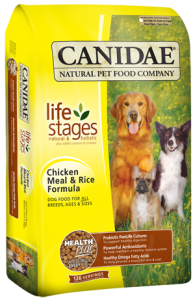
Canidae Dog FoodFrom Monday, June 25th through Saturday, July 7th, take $8 OFF Canidae Dog Food products, including All Life Stages Chicken and Rice Dog Food (44 lbs.), All Life Stages Turkey Meal and Brown Rice Large Breed (44 lbs.), and All Life Stages Multi-Protein (44 lbs.).

Come by Kissimmee Valley Feed between Monday, June 25th, and Saturday, July 7th and take $8 OFF select Canidae dog food products. These products are filled with nutrients to keep your pup happy and healthy. You can learn more about each of the Canidae products on sale below.

We have a variety of pet food available, take a look at some of the other dog foods we have here. Come by Kissimmee Valley Feed over the next few days and save on Canidae products. Give us a call or stop by one of our store locations if you have any questions!

Navigation


Share this page

Calendar

July 2026
No event found!

Quick Info


Main Store
1501 Eastern Ave map

Saint Cloud, FL 34769..

Contact Info

Phone: 407-957-4100
Fax: 407-957-0450

Store Hours

Mon-Fri: 8:00 am - 6:00 pm
Sat: 8:00 am - 5:00 pm
Sunday Closed


Second Store
215 13th Street

St. Cloud, FL 34769

Contact Info

Phone: 407-892-4040

Store Hours

Mon-Fri: 8:00 am - 6:00 pm
Sat: 8:00 am - 5:00 pm
Sunday: Closed

Owner: Samantha Holloway
1501 Eastern AveSaint Cloud, FL 34769
Phone: 407-957-4100
Fax:407-957-0450

2nd Store
215 13th Street St. Cloud, FL 34769

Contact Info
Phone: 407-892-4040
Store Hours
Mon - Sat 9:00 am - 7:00 pm
Sun Closed