Archive for the ‘Articles’ Category

Cattle Mineral Tips for Fall

Sunday, October 5th, 2025

Fall is approaching, which means it’s time to prepare your herd for the months ahead. Cattle nutrient requirements vary from season to season, so it’s important to evaluate the effectiveness of your feed program. Check out these tips for creating a healthy mineral program and preparing your cattle for fall.

Quick, timely considerations for your Purina cattle mineral program.

  • Understand your phosphorus levels as grasses dry down. For grass low in phosphorus, consider a high-phosphorus cattle mineral to meet animal needs.
  • Continue using Purina® Wind and Rain® Storm® Fly Control Mineral with Altosid® (IGR) 30 days after the first frost to prevent flies from overwintering and jump-starting spring populations.
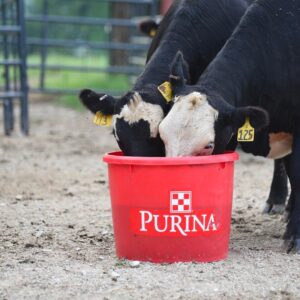
  • Building base mineral and vitamin stores pre-weaning can help calves stay healthy. Provide Purina® Stress Tubs for calves in the creep feeder cage. If you don’t creep feed, make sure calves have access to a cattle mineral feeder with the rest of the cow herd.
  • Cows may crave salt more as grasses dry down. It can be helpful to provide additional salt in a granular mineral mix. Provide free-choice salt if using a cattle mineral tub that does not contain salt (i.e. non-complete).

Try Purina® minerals today through the Feed Greatness® Challenge and prepare your cattle for fall.


Source: Kent Tjardes, Ph.D., Field Cattle Consultant

The Importance of Fall Pasture Management

Tuesday, September 30th, 2025

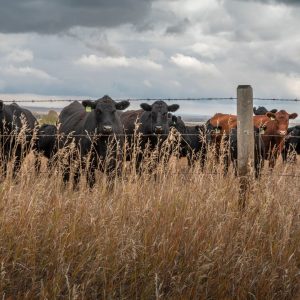
The Importance of Fall Pasture Management: photo of cattle fenced in a pasture.The Importance of Fall Pasture Management: As fall approaches, it’s important to start thinking about how you can properly manage your pasture for the upcoming colder months. Fall pasture management is crucial in providing enough food for your livestock and also ensuring the longevity and health of your pasture.  To keep your livestock happy and healthy, understanding the proper techniques for fall grazing is essential. So what can you do to better manage your pasture?

Fertilize Your Pasture

The first step in fall pasture management is to fertilize your pasture. After your livestock has grazed on the grass all summer, it’s essential to provide it with nutrients to ensure new, healthy growth. Fertilizing the pasture will provide the necessary nutrients for grass growth, improving your pasture’s overall health. It also helps with erosion caused by rain and wind that usually occurs in the fall season.

Implement a Grazing Rotation

Another vital aspect of fall pasture management is implementing a grazing rotation system. This technique involves dividing your pasture into smaller portions and rotating the livestock from one area to the other. The pasture gets time to recover and the animals have access to fresher and greener grass. This technique can also help protect the soil from nutrient depletion, soil compaction and reduce parasite prevalence in certain areas of the pasture.

Regular Mowing

Mowing the pasture regularly is beneficial for pastures. It decreases the grass height to a level appropriate for proper nutrient intake and can control the possible invasion of pests. Long grasses will also stop the development of young plants. If the grass grows too tall, it will eventually shade out and displace the grass located underneath. Regular mowing will help the pasture to regrow and be prepared for the spring.

Minimize Overcrowding

Fall is the perfect time for letting livestock graze but this must be in moderation. Too many animals grazing in a single area can lead to overgrazing and soil compaction, negatively affecting the health of the pasture. To avoid overcrowding, ensure the correct stocking rate by conducting an assessment of the available forage in the pasture. An ideal stocking rate ensures that the pasture can handle the amount of livestock it contains without causing damage or degradation to the pasture ecosystem.

Water Access

Lastly, water access is an essential factor to consider when managing your fall pasture. During the fall season, the grass goes dormant, and the cooler temperatures make the soil’s water retention capacity reduce. It’s important to make sure your livestock has access to a watersource that’s easily accessible to all animals and free of debris. A lack of water will limit the amount of dry matter intake and compromise the health and welfare of your livestock.

Fall pasture management is a crucial element in maintaining the health, productivity, and longevity of your pasture and livestock. By utilizing our tips, you can create a pasture management system that benefits both your pasture and livestock. Start planning on how to manage your pastures with our tips or reach out for specific and tailored recommendations for your individual needs.


4 Tips for Managing and Feeding Goats in the Fall

Friday, September 5th, 2025

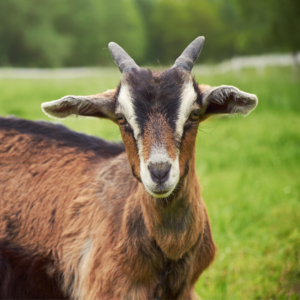
Tips for Managing and Feeding Goats in the Fall4 Tips for Managing and Feeding Goats in the Fall:  Just like people, fall is a transition period for goats. This is the time to prepare their bodies for winter weather and the breeding season, and make adjustments to their diet as needed with good quality forage.

We would like to provide you with some tips for managing your goat herd as the leaves change and air cools off.

1. Body Condition

When feeding goats in fall, use the time post-weaning of goat kids to adjust the Body Condition of does. You can reduce their diet from alfalfa hay-based diet to grass hay. If good pasture isn’t available, dry grass forage of a horse quality is acceptable and can be fed free choice or twice a day. Goats require long stem fiber (roughage) for proper rumen function. The long fiber lengths of pasture, hay and browse are necessary for rumen function. The rumen is rich in live bacteria that begins to digest the fiber.

2. Preparation for Breeding

Prepare your doe for breeding by increasing nutritional plane to flush additional eggs for breeding. The flushing process increases the likelihood of twin kids rather than single kids. When increasing calories for their diet, care should be taken when selecting and feeding grain. This should start 2-3 weeks prior to introducing the buck or artificial insemination.

3. Health and Maintenance

The fall is a great time prior to breeding to worm and vaccinate the goats – medications and drugs to utilize will depend on local conditions and veterinary recommendations. Be sure to follow local recommendations for worming and vaccination to ensure your animals remain healthy.

4. Focus on Feet

Prior to breeding, check and trim feet. Goat hooves tend to grow more rapidly than sheep and prior to pregnancy is a great time to conduct foot maintenance.

When feeding your goats, each goat requires 2 – 4 pounds of forage per day (3-4% of body weight in pounds). Because goats are ruminant, avoid making drastic changes to their diet. Instead, make a slow transition to allow the bacteria in their rumen time to adjust. Make sure that your goats also have access to clean water.

In conclusion, check out Kissimmee Valley Feeds Goat Feed selection here and visit us for more Tips for Managing and Feeding Goats in the Fall.

Article Source: Standlee Forage

The Benefits of Fall Forage for Your Livestock

Monday, August 25th, 2025

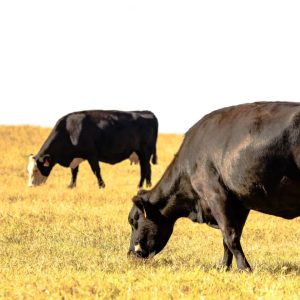
The Benefits of Fall Forage for Your Livestock: photo of two cows grazing in a fieldThe Benefits of Fall Forage for Your Livestock: Fall is just around the corner, and that means it’s time to start thinking about fall forage for your livestock. As the temperature cools and the days get shorter, it’s important to ensure that your animals are getting the right nutrients to maintain their body condition going into the winter months. Let’s go over some of the benefits of fall forage! Check out all things related to animal health available at Kissimmee Valley Feed here.

Nutritional Benefits

Fall forage is an excellent source of nutrition for your livestock. It’s packed with nutrients that can help them maintain their body condition and keep them healthy throughout the winter. For example, clover is a great source of protein and energy, while alfalfa is high in calcium and phosphorus. Rye grass, on the other hand, is an excellent source of fiber and can help keep your animals’ digestive system healthy.

Cost-Effective

Fall forage can be a cost-effective way to feed your animals. Growing your own forage can be cheaper than purchasing feed from a store, and it can also help you save on labor costs. Furthermore, depending on where you live, fall forage can often be grown as a double crop, meaning you can get more than one harvest per year from the same field.

Environmentally Friendly

Growing your own fall forage is also environmentally friendly. By growing your own forage, you can reduce your carbon footprint by eliminating the need for transportation of feed. Additionally, fall forage can help improve soil health and prevent soil erosion, which can help to preserve the environment for future generations.

Improves Livestock Health

Fall forage can also help to improve your animals’ overall health. A diet rich in fall forage can help to boost their immune system, making them more resistant to diseases and infections. Additionally, fall forage can help to promote healthy weight gain and improve milk production in dairy cows.

Versatile

Finally, fall forage is incredibly versatile. Depending on your animals’ nutritional needs, you can choose to grow a variety of different forages. This means you can customize your feeding program to meet the specific needs of your animals, ensuring that they stay healthy and happy throughout the fall and winter months.

Fall forage is an essential part of any livestock feeding program. It’s not only nutritionally beneficial but also cost-effective and environmentally friendly. So, as the autumn season approaches, be sure to start thinking about fall forage for your livestock. Your animals (and your wallet) will thank you for it!


Fall Pet Allergies

Tuesday, August 5th, 2025

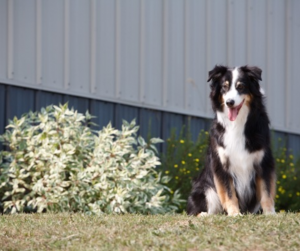
Fall Pet Allergies: A Fluffy dogs sits outside next to a bush.Fall Pet Allergies: As the heat and humidity of the summer begins to wane, many of us look forward to the cooler, fall weather and, at least in the northeast, the beauty of the changing foliage. For many of us including our pets, this change of season is the start of fall allergies.

Cats and dogs have seasonal allergies (atopy or allergic dermatitis) to mold and pollen just like we do.  The main difference is the way in which they show it.  Allergies are a hypersensitivity or immune system overreaction against common, otherwise harmless substances in our environment.  These allergens get in through the skin because of abnormalities in the skin’s protective barrier and/or abnormalities to the matrix between skin cells. Similar to the way water seeps into a brick wall with crumbling mortar.

Common Causes and Symptoms:

Tree, grass, and plant pollens or mold commonly cause seasonal allergies.  In pets that have year-round environmental allergies, indoor allergens are likely to be the cause because they are exposed to them continuously.  In fact, 75% of dogs with year-round allergies are allergic to house dust mites, an indoor allergen.  Food allergies can also be the cause of year-round allergies, but that is a topic for another time.

Most dogs and cats typically begin showing seasonal allergies in the first one to three years of life.  The symptoms may initially be mild but may get worse over time.  Any dog can become allergic. Certain breeds are overrepresented (because there is a hereditary component).  They include the Golden Retriever, Labrador Retriever, West Highland White Terrier, Bulldog, Boxer, Pug, Shih Tzu, Lhasa Apso, and the Chinese Shar-Pei.

The most common symptoms include licking, scratching, chewing, and rubbing at the feet, face, hind end, armpits and abdomen.  In cats, they may present as a raised, crusty skin lesion called milliary dermatitis. Allergies can also present as recurrent skin and ear infections which can cause hairlessness, redness, thickening and pigmentation of the skin.  Bacteria causes these infections. As well as yeast which live naturally on the skin. When present, they can make the itching associated with atopy more intense.

The diagnosis of seasonal allergies is most frequently based on clinical signs and age of the patient.  A positive response to low-dose steroids can also aid in the diagnosis.  The specific allergens that your pet is allergic to can only be determined by a blood test or intradermal skin testing.

Treatment of environmental allergies is centered on controlling the itch or decreasing the immune system’s overresponse to normal allergens found in the environment.  Discuss treatments with your vet. They may include:

Avoiding allergens: 

This is usually not entirely possible.  Brushing the hair coat can help remove allergens from the fur and skin, reducing exposure. Wearing a t-shirt and/or foot protection may also limit exposure and absorption through the skin.  For dust mite allergies, washing beds frequently or using dust mite covers may help to limit exposure.  Avoiding stuffed toys can also help.  Using an air conditioner in the summer or a HEPA filter can reduce allergens.  Keeping pets indoors when mowing the lawn and stirring up allergens may help.  Frequent bathing with a hypoallergenic shampoo and using a conditioning rinse or spray to moisturize the skin is beneficial for many pets.

Medications:

Many medications are available to reduce the signs and symptoms but they do not get rid of the allergy.  They include antihistamines such as Benadryl® and Claritin®, omega 3 fatty acids high in EPA and DHA, steroids such as prednisone or dexamethasone, immune modulators such as cyclosporine, Janus kinase inhibitors such as Apoquel®, and a new soon to be available Interleukin-31 antibody.

Allergen Specific Immunotherapy: 

This treatment regimen is dependent upon allergy testing.  Once your pet’s allergens are identified, a specific “allergy vaccine” can be made to desensitize the immune system to specific allergens.  This is effective in about 70% of dogs and is most beneficial when started at a young age. Desensitization is injected. Oral therapy under the tongue is another option. It may require six months to two years to see a benefit.

If you think your pet may have fall allergies, speak with your veterinarian, so together, you can make the best treatment choice for you beloved companion.

To treat your pet to healthy food and/or toys, visit Kissimmee Valley Feed! Check out our dog/cat selection here.

Article Source: Nutrena
Navigation


Share this page

Calendar

July 2026
No event found!

Quick Info


Main Store
1501 Eastern Ave map

Saint Cloud, FL 34769..

Contact Info

Phone: 407-957-4100
Fax: 407-957-0450

Store Hours

Mon-Fri: 8:00 am - 6:00 pm
Sat: 8:00 am - 5:00 pm
Sunday Closed


Second Store
215 13th Street

St. Cloud, FL 34769

Contact Info

Phone: 407-892-4040

Store Hours

Mon-Fri: 8:00 am - 6:00 pm
Sat: 8:00 am - 5:00 pm
Sunday: Closed

Owner: Samantha Holloway
1501 Eastern AveSaint Cloud, FL 34769
Phone: 407-957-4100
Fax:407-957-0450

2nd Store
215 13th Street St. Cloud, FL 34769

Contact Info
Phone: 407-892-4040
Store Hours
Mon - Sat 9:00 am - 7:00 pm
Sun Closed