Archive for the ‘Articles’ Category

Max & Marlow Cat Trees Available!

Thursday, November 20th, 2025

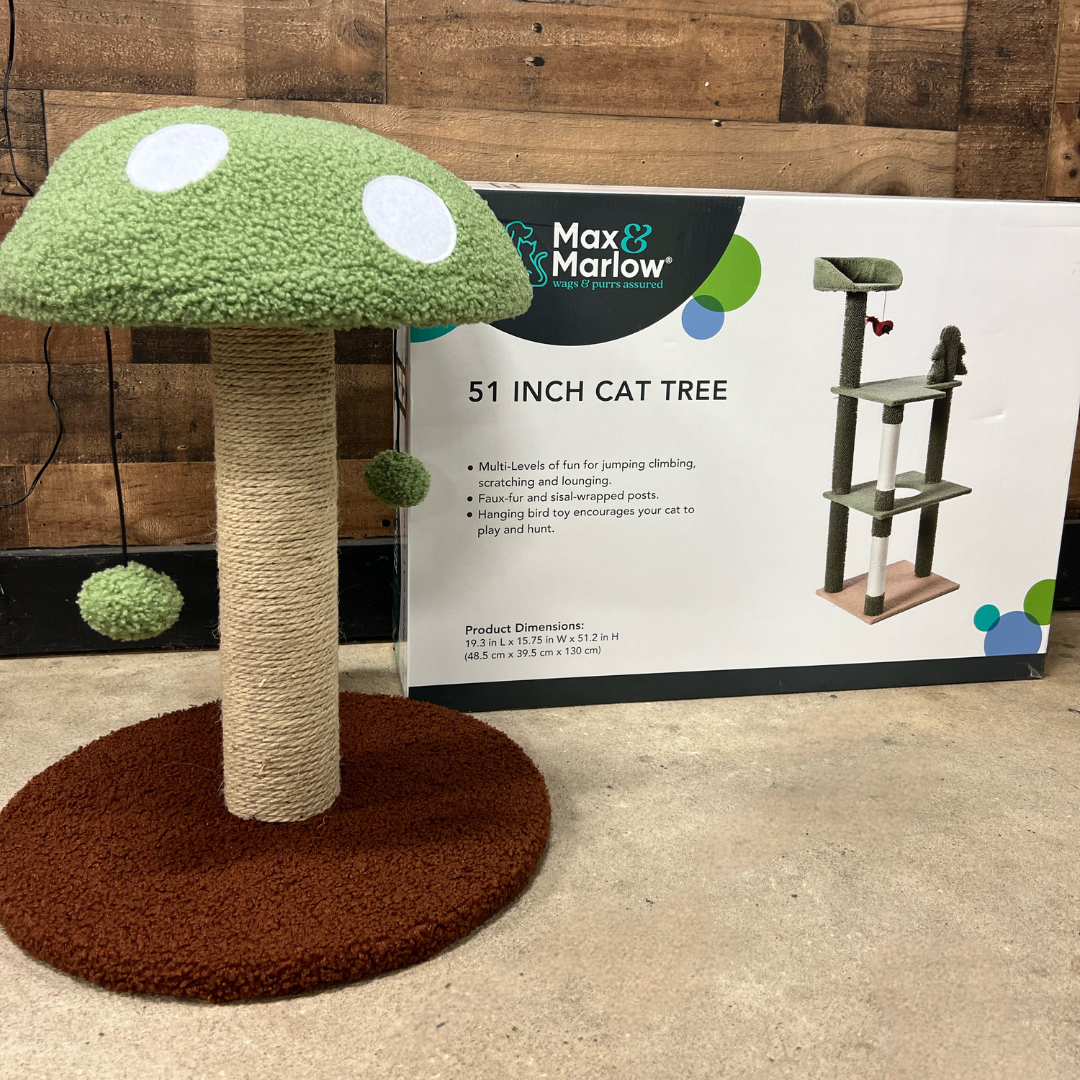
One of our Max & Marlow Cat Trees at the store, a cute green mushroom shapeStore #2 has Max & Marlow Cat Trees Available! Max & Marlow creates a variety of toys and furniture designed to encourage play, exercise, and ultimate comfort. We are excited to announce that we now carry their adorable and functional cat trees, perfect for giving your kitty a space of their very own. This post will explore why a cat tree is an essential piece of furniture for your pet and how Max & Marlow’s designs stand out.

Why Every Cat Needs a Cat Tree

Cats, by nature, are climbers, hunters, and creatures who crave security. In the wild, they would scale trees to survey their territory, escape threats, and find cozy, elevated spots to rest. Indoor cats retain these powerful instincts, and a cat tree is one of the best ways to help them express these natural behaviors in a safe and appropriate manner.

Providing a cat tree is not just about spoiling your pet; it’s about supporting their physical and mental well-being. A good cat tree serves multiple purposes, making it one of the most valuable investments you can make for your feline friend. It acts as a jungle gym, a lookout tower, a nail salon, and a private bedroom, all rolled into one.

The Benefits of Vertical Space

One of the most significant advantages of a cat tree is that it provides vertical territory. In a multi-cat household, access to high places can be crucial for establishing social hierarchy and reducing conflict. Cats often feel more secure when they can view their surroundings from above. An elevated perch gives them a sense of control and a safe retreat from household activity, whether it’s a running vacuum cleaner, an boisterous dog, or visiting children.

Max & Marlow cat trees are designed with various levels, offering multiple platforms for climbing and resting. This verticality encourages exercise as your cat leaps, climbs, and stretches to navigate the structure. This daily activity is vital for maintaining a healthy weight, keeping muscles toned, and preventing the boredom that can lead to destructive behaviors.

A Destination for Play and Exercise

Boredom is a common issue for indoor cats, and it can manifest in undesirable ways, such as scratching furniture, over-grooming, or aggression. Max & Marlow understands that a stimulated cat is a happy cat. Their cat trees are more than just perches; they are interactive play structures.

Many of their designs incorporate features that tap into a cat’s predatory instincts. You might find dangling toys that invite batting and pouncing, or cubbies and tunnels perfect for a game of hide-and-seek. These elements encourage solo play, ensuring your cat stays mentally engaged and physically active even when you’re not home. By providing an approved outlet for this energy, you help preserve your own furniture while giving your cat the workout they need.

The Perfect Place for a Cat Nap

After a vigorous play session, every cat needs a comfortable place to curl up for a nap. Cats can sleep up to 16 hours a day, so providing a cozy and secure resting spot is essential. Max & Marlow cat trees feature plush, soft materials that create an irresistible napping environment.

Their designs often include enclosed condos or bolstered perches that give cats a sense of security. These snug spaces allow your pet to relax completely, knowing they are safe and sound in their dedicated spot. By placing the cat tree near a window, you can provide both a comfortable bed and front-row seating for “cat TV,” where they can watch birds and squirrels outside.

Encouraging Healthy Scratching Habits

Scratching is a natural and necessary behavior for cats. It helps them shed the outer layers of their claws, mark their territory with scent glands in their paws, and enjoy a satisfying stretch. Without an appropriate surface to scratch, your cat will turn to your sofa, curtains, or carpet.

Max & Marlow cat trees are built with scratching in mind. Most of their models feature posts wrapped in durable sisal rope, a texture that cats find incredibly satisfying to dig their claws into. By integrating scratching surfaces directly into the furniture, the brand cleverly redirects this instinct away from your home furnishings. Placing the cat tree in a central area of your home encourages your cat to use it as their primary scratching post.

Introducing Max & Marlow Cat Trees

We are thrilled to offer a selection of Max & Marlow cat trees that are as stylish as they are functional. These pieces are designed to complement your home decor while providing your cat with the ultimate enrichment center. Whether you have a small apartment or a large house, a playful kitten or a senior cat, there is a Max & Marlow tree to fit your needs.

These adorable structures are built with quality materials to ensure stability and durability, even with the most enthusiastic climbers. The soft fabrics, sturdy platforms, and integrated toys make them an all-in-one solution for your cat’s needs.

Stop by and see our new collection of Max & Marlow cat trees today. Give your feline friend the gift of their own personal kingdom! A space where they can play, climb, scratch, and relax to their heart’s content. It’s the perfect way to show your love and enhance their world.
Preparing Your Livestock for Winter Feeding

Monday, November 10th, 2025

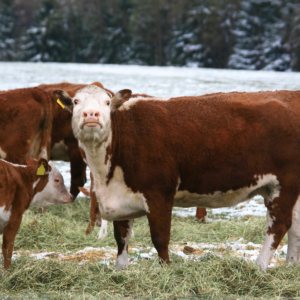
cattle grazing in winterPreparing Your Livestock for Winter Feeding: With colder weather on the horizon, many farmers and ranchers are preparing for the winter months. One of the most important things to consider when getting your animals ready for winter is their feed. During this time, hay becomes the most common type of feed for livestock. However, it is essential to ensure that you have enough hay to get your animals through the season. In addition, it is necessary to think about supplementing your hay with other feeds such as grain or grass to keep your animals healthy. We have some essential tips for feeding and nutrition that will help you prepare your livestock for winter.
1) Plan for Adequate Hay Supply

Before winter arrives, farmers and ranchers need to ensure that they have enough hay to meet the demands of their livestock. One of the key challenges in preparing for the winter months is predicting the amount of hay that will be required. To estimate your hay needs, you must consider the number of animals in your herd, their weight, and the duration of the winter months. To increase the amount of hay available, you may want to consider buying hay from other farmers. Purchasing a large quantity of hay can also help cut the cost per bale.

2) Supplement with Other Nutritious Feed

Unfortunately, hay alone may not be enough to provide your animals with the nutrition they need. During winter, your livestock needs an adequate amount of vitamins and minerals. Therefore, it is crucial to supplement their diets with other nutritious feeds. Grain is an excellent source of protein and helps to maintain body heat. However, you must be cautious when feeding grain to avoid overfeeding, which can cause digestive problems. Grass can provide your livestock with essential micronutrients. This means that you should graze your animals throughout the fall season before snow accumulates on the ground.

3) Provide Adequate Water

Water is critical to the health and survival of your livestock, particularly during the winter season. Since animals rely on hay to maintain their body heat, they consume less water, which can lead to dehydration. Therefore, it is essential to provide your animals with fresh, clean water at all times. Water sources should be checked daily to ensure that it is available and unfrozen. You can also consider installing heaters or de-icers for your water sources to keep them from freezing.

4) Monitor Your Livestock

During the winter months, it is essential to keep a close eye on your animals. Checking that they are eating adequately, drinking enough water, and staying warm is crucial. Moreover, monitoring your livestock helps to detect any signs of disease or illness that require vet attention.

5) Prepare Your Barns

As the cold weather sets in, you may want to prepare your barns for your animals’ comfort and safety. Ensure your barns have proper insulation, ventilation, and clean straw or bedding to keep livestock dry and warm. Ensure that all doors and windows are properly secured to keep the cold outside.

Preparing for winter and ensuring that your livestock’s feed and nutritional needs are met may seem overwhelming. However, with the right planning and preparation, farmers and ranchers can help their animals survive the harsh winter months. By Preparing Your Livestock for Winter Feeding, you can increase your animals’ health and well-being throughout the winter season.

Fall Maintenance for Healthy Winter Horses

Tuesday, November 4th, 2025

For example, here are some steps to take around the barn:

  • Stock up on quality hay and store it in a dry place
  • Outdoor hoses and water lines need to be drained or winterized
  • Installed and check water tank heaters
  • Fences and gates should be repaired, and high-traffic areas might need to be rebuilt or topped off to help manage mud in the coming months
  • Move all medications, chemicals, and other liquids to a frost-proof area
  • Give all barn areas a thorough cleaning
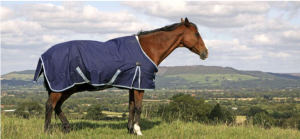
  • Check over winter blankets and make any needed repairs or replacements
  • Clean and store any sheets, flymasks, or tack that won’t be used
  • Have your horse trailer serviced and park it out of the way

In conclusion, Kissimmee Valley Feed has a wonderful selection of horse hay, feeds and supplements to keep them at their best, no matter the season.

Article Source: Fall Maintenance for Healthy Winter Horses from Kentucky Equine Research

Your Keys to Fall Calving

Monday, October 20th, 2025

Three calves standing next to each other Your Keys to Fall Calving: Cattle condition and comfort are your keys to fall calving.
Spring calving season may be more common, but if you’re a fall calving operation, you know the warmer, dryer weather conditions and the seasonal high calf prices that tend to hit at weaning can yield greater results.

Yet, fall calving doesn’t come without its challenges. Preparation now means mitigating those challenges – including high temperatures and unpredictable forages – and getting calves started quicker to realize optimal cost-efficient growth.

Follow these steps this summer to gain more value from your herd in the fall:

 Set cows up for success

 It can be difficult to keep cattle in ideal body condition for the fall calving season. Pastures are transitioning from quality grasses with active growth to more mature grasses going dormant, causing energy and protein quality to decline.

With a target body condition score of six at calving, taking scores 60-90 days before calving begins allows time to change the nutrition plan if needed. Purina® RangeLand® protein supplement tubs and Purina® Accuration® Hi-Fat blocks are good options that provide extra protein and energy; they also support digestion and utilization of low-quality forage.

Remember, heifers and first-calf cows haven’t yet reached maturity during gestation. They are still growing while raising a calf, making their energy requirements higher than mature cows. Separate your herd to provide heifers and first-calf cows with a higher energy diet to be at peak performance during calving.

Fight menacing flies

Fly season may start in spring, but a strong fly control program is just as critical during fall calving season.

Flies can be a significant detriment to cattle health and performance. Horn flies carry Staphylococcus aureus, a major cause of mastitis. They can also cause damage to the udder and teats, lowering milk production.

To limit horn flies, start feeding Purina® Wind and Rain® Fly Control mineral in the spring, 30 days before flies emerge, when the daily temps average 65°F and keep feeding until 30 days after the first frost in the fall.

When it isn’t fly season, provide your herd a balanced mineral year-round using Purina® Wind and Rain® mineral. A quality mineral optimizes cows’ milk production and supports fertility and fetal development – all vital in the winter months when your cows are raising calves and getting rebred for the next season.

Combat soaring temperatures

 Higher temperatures during fall calving make water supply a top concern. During the hottest days of the year, cattle typically drink two gallons of water per 100 pounds of body weight. Adequate, clean, accessible water is a must. Allowing for two or more inches of linear space per head has been shown to decrease heat stress in cattle.

As calves start drinking water, it’s essential for water sources to be at an appropriate height. In addition, to have enough water flow. Cows typically drink first, with calves following. If the sides of the waterer are too high or the water doesn’t refill quickly, calves may not have access to water that is needed to prevent dehydration and keep their bodies cool.

Shade or shelter is another vital consideration for hot days. Trees, buildings or portable structures are all adequate sources of protection from the sun’s intense heat. Placing water tanks in shaded areas also ensures cool water for the herd.

Ready for reproduction

 You can’t be prepared for all surprises that can occur during the fall calving season. Still, making sure your herd is in peak condition, providing access to necessities, and having essential supplies on hand can help ensure calves hit the ground running.

Visit Kissimmee Valley Feed to learn Your Keys to Fall Calving. Check out our cattle feeds here.

Source: Wes Hornback, Cattle Technical Specialist, Purina Mills

Your Horse: Avoid Being Felled by Fall Founder

Friday, October 10th, 2025

Your Horse: Avoid Being Felled by Fall FounderYour Horse: Avoid Being Felled by Fall Founder: If you’ve been involved with horses for any length of time, you’re no stranger to the anguish caused by laminitis. You may be aware of common causes of founder. For example: grain overload, endocrine disturbances, and overloading of supporting limbs, there’s one you may overlook: fall grazing.

Spring pastures contain high levels of sugar that can induce a bout of laminitis. However, a feeding frenzy in the fall could have the same effect.

Fall Founder:

“Some rain and a late-summer heatwave, especially after a long, dry summer, can cause pastures to have a growth spurt similar to what happens in the spring. These pastures can have high water-soluble carbohydrate levels, including both sugar and fructan, that may induce laminitis,” explained Catherine Whitehouse, M.S., a Kentucky Equine Research nutrition advisor. “Fall founder can also occur following the first frost.”

Cool-season forages such as tall fescue continue to grow late in the year, posing a risk for any horse or pony predisposed to developing laminitis. Further, cool-season grasses often experience a dramatic increase in sugar content after a frost.

“Grazing muzzles must be used for at-risk horses even in the fall to avoid pasture-associated laminitis,” Whitehouse said.

Management:

Using a research-proven buffer such as EquiShure will help minimize changes in hindgut pH, thereby stabilizing the intestinal microbiome.

Laminitis remains one of the most common reasons for euthanasia of horses. Above all, direct efforts at hoof health regardless of the season. One study* reports reasons related to euthanasia were attributed to disease stage, severity, and progression. For example, persistent lameness following a recent bout of laminitis commonly prompted owners to elect humane euthanasia.  A horse had a slow recovery from a laminitic episode. Some owners perceived their horses were at risk for future episodes and chose to euthanize.

“Owners were also more likely to elect humane euthanasia if slow recovery necessitated prolonged periods of time in a stall. Owners believed extended stall rest would negatively affect their horse’s psychological well-being and quality of life,” added Whitehouse.

Horses that have recovered from laminitis may benefit from a well-rounded hoof supplement. “Kentucky Equine Research offers high-quality products that include nutrients necessary for growth of strong, resilient hooves, such as biotin, zinc, methionine, and iodine,” shared Whitehouse.

In conclusion, do you have a specific question about your horse’s  health or diet? Visit Kissimmee Valley Feed today to check out our horse feed, hay and supplies!

Article Source: Kentucky Equine Research

*Pollard, D., C.E. Wylie, J.R. Newton, and K.L.P. Verheyen. 2020. Factors associated with euthanasia in horses and ponies enrolled in a laminitis cohort study in Great Britain. Preventative Veterinary Medicine 174:104833.


Navigation


Share this page

Calendar

July 2026
No event found!

Quick Info


Main Store
1501 Eastern Ave map

Saint Cloud, FL 34769..

Contact Info

Phone: 407-957-4100
Fax: 407-957-0450

Store Hours

Mon-Fri: 8:00 am - 6:00 pm
Sat: 8:00 am - 5:00 pm
Sunday Closed


Second Store
215 13th Street

St. Cloud, FL 34769

Contact Info

Phone: 407-892-4040

Store Hours

Mon-Fri: 8:00 am - 6:00 pm
Sat: 8:00 am - 5:00 pm
Sunday: Closed

Owner: Samantha Holloway
1501 Eastern AveSaint Cloud, FL 34769
Phone: 407-957-4100
Fax:407-957-0450

2nd Store
215 13th Street St. Cloud, FL 34769

Contact Info
Phone: 407-892-4040
Store Hours
Mon - Sat 9:00 am - 7:00 pm
Sun Closed