

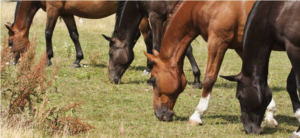
 Watch Out For Toxic Plants in Hays, Pastures: Aren’t horses smart enough to know what they can and cannot eat?
Generally speaking, it is true that horses will usually avoid ingesting harmful plants or other toxins when offered high-quality forage options. But as highlighted in an article* by veterinarians from the Department of Veterinary Clinical Sciences at Oklahoma State University, horses can—and often do—consume plants they shouldn’t.
As reviewed in this article, horses were offered Bermuda grass hay that was later found to contain large quantities of mature caley pea (Lathyrus hirsutus). In that case, 22 out of 25 young horses developed signs of intoxication. Signs included incoordination, lethargy, and changes in gait.
“There are a great many toxins that can sneak into bales of legumes and grasses, which highlights the importance of routinely inspecting your horse’s hay for more than just dust and mold,” relays Bryan M. Waldridge, D.V.M., head veterinarian for Kentucky Equine Research.
In addition to classic examples of endophyte-infested tall fescue and blister beetles in alfalfa, owners should familiarize themselves with other toxins in their area. Pastures and paddocks also need to be monitored for toxic plants. For example, trees (e.g., maple, black walnut) and ornamentals (e.g., oleander, foxglove, tulips, daylilies, hydrangea, morning glory, iris, daffodil, etc.).
Toxic Plants in your Area:
For information on toxic plants in your area, seek the assistance of an equine extension specialist or plant pathologist. Plant descriptions and photos are available online.
Article Sources: Kentucky Equine Research
*Holbrook, T.C., L.L. Gilliam, F.P. Stein, et al. Lathyrus hirsutus (caley pea) intoxication in a herd of horses. Journal of Veterinary Internal Medicine. In press.
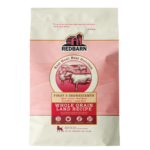
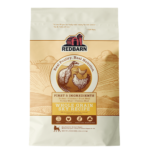
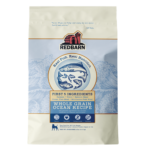 New Redbarn Whole Grain Dry Dog Food: Store #2 welcomes Redbarn’s Whole Grain Dry Dog Food to our shelves! We now carry all three of their products.
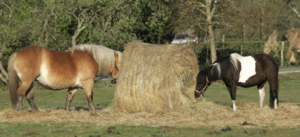 Feeding Preserved Forage to Horses: If you had the chance to feed your horse better for optimal health, behavior, and performance, what would you do? A recent article addresses the fact that many horses are fed based on historical trends rather than modern conditions.
 Valentine’s Day Pet Safety Tips: Each year our poison control experts see a rise in cases around February 14, many involving chocolate or lilies, a flower that’s potentially fatal to cats. Valentine’s Day can be as much fun for pets as it is for humans—as long as dangerous items are kept out of paws’ reach!
 How a Proper Diet Can Benefit Your Dog’s Sensitive Skin & Coat: Just like us, your pet’s skin and coat serve to protect them. Different irritants can affect your dog’s coating as seasons change turning it from vibrant, shiny, and soft to dull and dry. While the cooler months bring dry weather, the warmer months bring allergies and notorious heat. For you, that might mean taking an allergy pill, but it’s not the same for your dog.