Archive for the ‘News & Updates’ Category

Cattle Mineral Tips for Spring

Thursday, March 20th, 2025

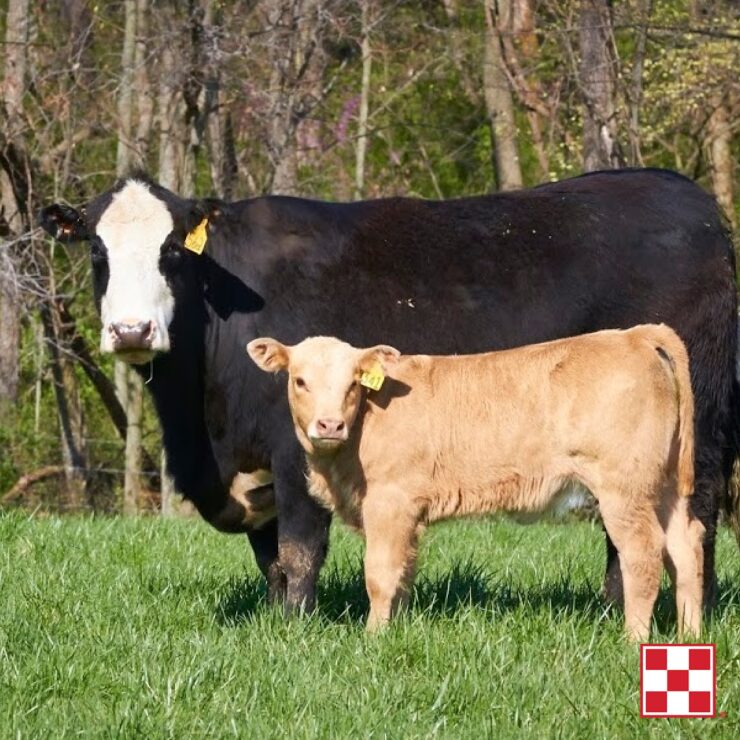
Cattle Mineral Tips for SpringCattle Mineral Tips for Spring: As winter shifts to spring, it’s time to take a look at cattle management. Specifically, your cattle mineral program. Make sure cattle management, and cattle mineral, reflect the season to help keep cattle performing year-round.

Quick, timely considerations for your Purina cattle mineral program:

  • It can be tough getting cattle to eat mineral when grass is green and lush. Have one cattle mineral feeder for every 20 to 30 head. You can also use a complete cattle mineral or mineral tub to encourage consumption.
  • Ensure cattle receive enough magnesium to prevent grass tetany. Consider using Wind and Rain® Storm® Hi Mag Cattle Mineral.
  • Spring grass typically has the highest phosphorus level of the growing season. Mineral sources of phosphorus and magnesium are bitter and can reduce palatability. Consider using a high-magnesium cattle mineral with a lower phosphorus level to improve intake.
  • Global vitamin A production issues have caused prices to rise considerably over the past few months. However, vitamin A is very important for reproduction, so it’s critical to avoid a deficiency. Green, leafy forages tend to be a good source of vitamin A. Wind and Rain® Storm® Hi Mag Cattle Mineral contains a low level of vitamin A to complement lush grass.
  • Get a jump start on fly control. Start using Wind and Rain® Storm® Fly Control Cattle Mineral 30 days before the last frost and continue through fly season.

Check out Kissimmee Valley Feed’s full Cattle Feed and Supplies Selection. In addition, Try Purina® minerals today through the Feed Greatness Challenge.

Article Source: Kent Tjardes, Ph.D., Field Cattle Consultant for Purina Mills

Keeping Dogs Healthy in the Spring and Summer

Monday, March 10th, 2025

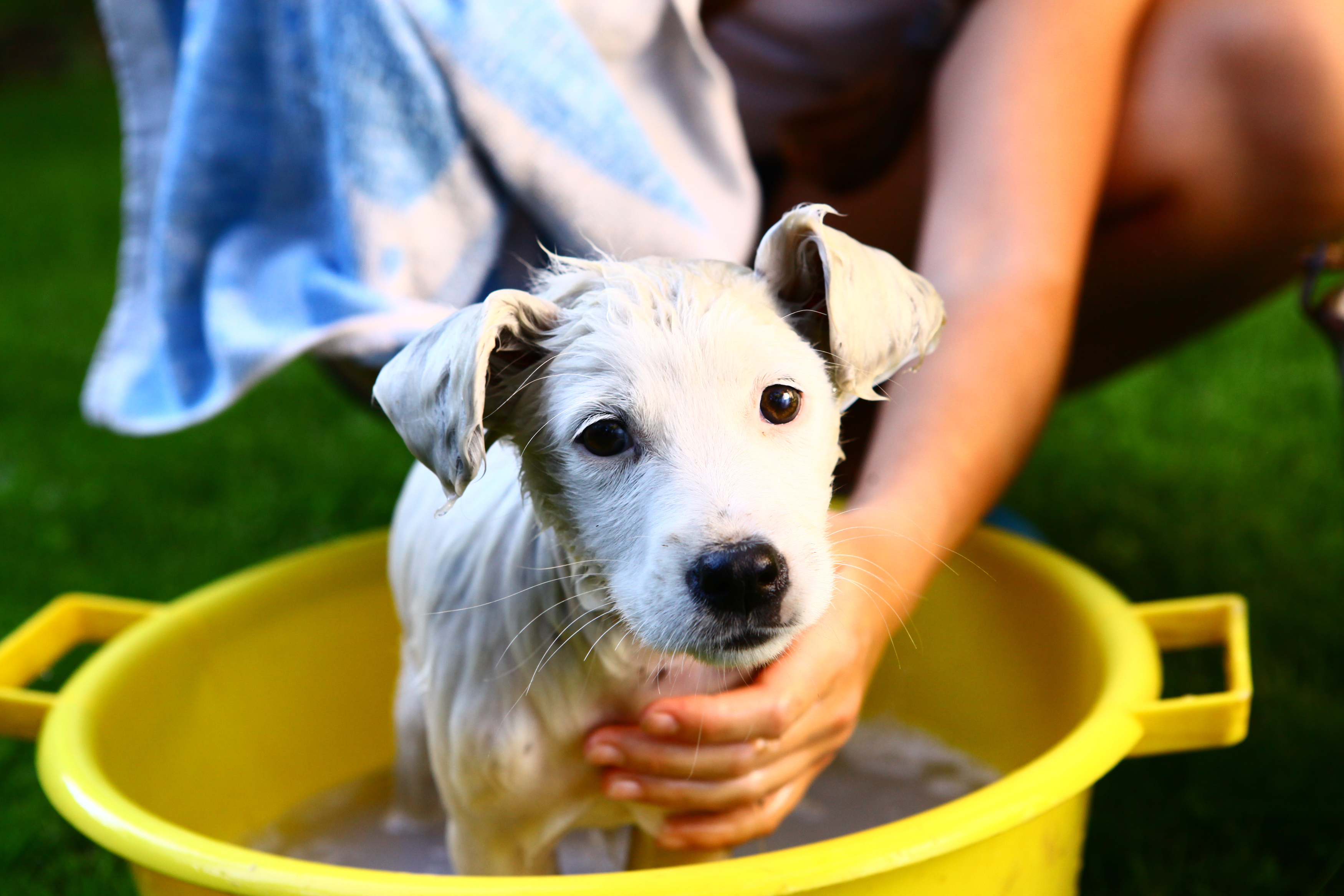
Keeping Dogs HealthyKeeping Dogs Healthy in the Spring and Summer: Spring and summer months are a great time for you and your dog to enjoy the outdoors. However, the spring and summer months can also present unique dangers and health risks for your dog. Here are some dog health care tips that will help ensure that your dog remains safe in the heat.

In the Spring, check with your veterinarian to see what they recommend in terms of Heartworm Prevention. Heartworm disease is transmitted by mosquitoes and can be fatal. Heartworm disease is truly a silent killer and you can ensure that your dog stays heartworm free with just minimal prevention.

Dog Food:

Spring and summer time is the perfect time to transition your dog to all natural, premium dog food. Transition to the new dog food slowly, by mixing in the new dog food over time. Start by mixing 10% of the new into the old dog food. Add more of the premium dog food every day. Transitioning to a premium, all natural dog food can provide long lasting health benefits for your dog, and may provide them with more energy through the summer months.

Sun Exposure:

Monitor your dog’s tolerance of the direct sun very closely. Never leave your dog out in the sun too long. Dogs can get sunburned just like people. Provide lots of shade for your pet. Dogs can become dehydrated in the sun, so provide plenty of cool, clean water. Older dogs and dogs with thick coats need special attention. Limit their exposure to the heat during hot summer days and exercise them in the morning or evening hours, when temperatures are cooler.

Fleas and Ticks:

Keep your dog free from fleas and ticks during the summer by using all-natural flea and tick treatments. Some of the flea and tick products that are sold over the counter are actually toxic and should be avoided at all costs. Speak with your veterinarian about holistic flea and tick solutions.

Noise:

Protect your dog’s emotional health by avoiding large, noisy events such as rock concerts or fireworks displays. For many dogs, this type of event is stressful and can cause anxiety. Fireworks can be dangerous for humans and pets alike, so never allow your pet to be near fireworks displays. Many pet owners find the Anxiety Wrap effective in helping their pet cope with fireworks and thunder.

Car Rides:

It is extremely dangerous to drive a truck with a dog in the back. In fact, in many states it is illegal. Dogs can be injured from flying debris and can also be thrown from the pick-up bed during the ride. Dogs should always ride in the cab, preferably confined in a crate or by using a seat belt safety harness.

Tags:

Make sure that your dog always wears a dog collar and current dog tags including your phone number. Safety dog collars, such as reflective collars and illuminated dog collars also can keep your dog safe.

Dogs love spring and summer because it means lots of time outdoors. By keeping tabs on your dog’s health, you can make this a fantastic season for you and your dog.

Source: PupLife

Chicken Predators – What You Need to Know

Thursday, February 20th, 2025

ChickensChicken Predators – What You Need to Know: Humans aren’t the only animals that enjoy a delicious chicken dinner.

Foxes, coyotes, raccoons, dogs, mink, owls, and some hawks also find chickens a meaty, easy-to-catch meal.

It is frustrating to discover chickens killed by a mink or carried off by a fox. Fortunately, predators can be foiled.

Predators are everywhere. No flock is completely safe from some carnivorous species that would like to eat them.

Raccoons and domestic dogs probably kill more chickens than any other animals and live in both rural and urban areas. Raccoons are surprisingly abundant even in New York City!

Seeking revenge is often the first reaction a flock owner has when birds are killed.

Shotguns and traps are sometimes used but killing a chicken-eating fox or raccoon can be both illegal and dangerous. Preventing predation is far more effective than shooting or trapping an animal or two.

Most chicken losses occur at night when raccoons, skunks, opossums, owls, mink, and weasels are most likely to prowl.

The best defense against night shift chicken snatchers is a sturdy tight coop. Chickens come inside at dusk and are almost comatose when sleeping. Once they get inside predators can easily pluck a plump hen off the roost.

The solution is making entry nearly impossible. That’s easier said than done. A mink can ooze through a one-inch diameter hole while weasels can fit through even smaller cracks.

Some ways to keep predators out of the coop include:

  • At dusk and when you plan to be away until after dark, close and securely latch all doors, especially the pop hole door.
  • Cover all windows with sturdy wire mesh. Raccoons can tear through hexagonal chicken wire, so the stronger wire is essential. One half-inch square hardware cloth thwarts raccoons and even keeps mink out.
  • Fill in any holes or cracks in walls or around doors with concrete, caulking, wire, or expanding foam.
  • Watch for signs of animals digging tunnels under the coop walls. A concrete coop floor prevents this type of entry, but wire mesh placed on a dirt floor beneath litter and tacked to the coop’s sidewalls also works.
  • Eliminate predator hiding places near the coop. Piles of firewood, debris, old vacant sheds, and brush piles offer predators a safe haven as they approach. The fewer places they have to hide the less likely they are to invade.
  • Install a sensor-activated light that turns on as a hungry raccoon approaches.

Preventing daytime predators from snatching chickens is more challenging as the birds are often outside.

Dogs are probably the major daytime chicken killers, but several species of hawks may also prey on hens.

Mink, foxes, and weasels are occasionally active during daylight hours but raccoons, opossums, and skunks rarely are. Preparing the run in two ways will reduce predation.

First, confine the flock with a sturdy fence that keeps chickens in and dogs out. Usually, a stout four-foot-tall fence will prevent heavy chicken breeds from flying over it while excluding dogs and foxes. Light breed chickens are adept flyers and a six or eight-foot-tall fence may be needed to confine them.

Second, provide overhead protection. A sure-fire way to keep raptors from snatching an occasional chicken is to cover the run with wire mesh. Small outdoor runs can feature a roof that also keeps rain and snow off the ground.

Chickens, like rabbits and other prey species, recognize that danger can come from the sky. They are safer when the run provides some overhead cover.

A few shrubs planted in the run give chickens places to safely loiter beneath their intertwined branches. A picnic table placed in the run also gives birds a safe haven from the bright sun and overhead predators.

Predators are crafty and often catch chickens and their owners by surprise. Months can go by with no loss. Then in just a sort time, many birds can be killed. Preventing predators from accessing chickens is the best way to keep them safe.

In conclusion, Kissimmee Valley Feed cares about the safety and health of your chickens! See our poultry selection here.

Read more articles similar to this one and the original article at Nutrena, Scoop from the Coop.
Hayhut Products Available

Wednesday, November 13th, 2024

Man holding up a Hayhut against a bale of hayHayhut Products are available at Kissimmee Valley Feed. Horse owners and livestock managers are always on the lookout for solutions that can keep their animals healthy and content. Enter Hayhut, a revolutionary product that is the leading covered round bale hay feeders for horses that deliver efficiency both in every day use and in cost.

Feeding Efficiency

Hayhut is not just another hay feeder on the market. Its standout feature is the covered round bale design, which offers a range of benefits for both the animals and their caretakers. By providing a constant and protected source of forage, Hayhuts reduce waste and enhance feeding efficiency. Unlike traditional feeders, these structures ensure that even during adverse weather conditions, your livestock has access to fresh and dry hay, minimizing the chances of spoilage. This efficient feeding system helps to optimize the feed’s nutritional value, ensuring that your horses receive the best possible care.

The structure of the Hayhut is also worth noting. Made from robust, UV-stabilized polyethylene, these feeders are built to last. They resist rust and require no maintenance, unlike many metal feeders that degrade over time. This durability means that by investing in Hayhut, you’re choosing a long-term solution that won’t need frequent replacements or repairs, saving you both time and money in the long run.

Two horses feeding from a HayhutReliable Forage

Overstocked pastures and poor forage growing conditions can be a nightmare for horse owners. Hayhuts provide a viable solution by offering a consistent and reliable source of forage, regardless of pasture conditions. This reduces the stress on pastures and allows grass to recover and grow more effectively.

By using Hayhut feeders, you can maintain a healthier pasture environment year-round. This is particularly beneficial during the dry season or in regions with challenging soil conditions. The result is a more balanced ecosystem that supports both your horses and the land they graze on.

Happy Horses

It is interesting to note how well these pasture feeders stop ‘big bale bickering’ and also how they bring a strong air of calmness and contentedness across the ranch as the horses all know that they have a constant source of forage.

Anyone who has managed a herd of horses knows the tension that can arise during feeding time. Fighting over bales is not just stressful for the horses, but it can also lead to injuries and uneven feed distribution. Hayhuts address this issue by providing ample access to hay for multiple horses at once.

The design encourages a more peaceful feeding environment, reducing competition and aggression among horses. This not only improves the overall well-being of your animals but also contributes to a calmer and more orderly atmosphere on the farm. For livestock managers, this added peace of mind is invaluable.

Whether you’re looking to improve feeding efficiency, reduce costs, or create a more peaceful environment for your horses, Hayhut offers a compelling solution. Join the ranks of satisfied horse owners and livestock managers who have made the switch and seen the benefits firsthand.

For farmers and ranchers in or around the Kissimmee, FL county, visit us or call the store at (407)-957-4100 to learn more about the haynut products available from our educated staff!

Deworming: Plan, Purge, Protect

Monday, July 15th, 2024

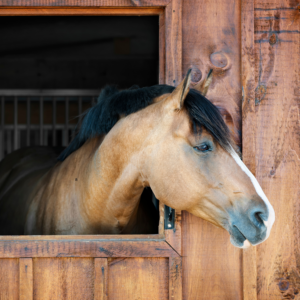
Deworming: Plan, Purge, Protect. Tan horse looking out of a barn stall.Internal parasites are a common problem in horses, particularly those managed on pasture. In addition to being a nuisance, internal parasites can cause serious health problems. These health issues include conditions such as weight loss, poor performance, colic, and intestinal obstruction. Establishing and maintaining a routine deworming schedule for your horses is an essential step to keep them healthy. However, a good deworming program should be tailored to the individual horse. The program should be based on factors such as age, pasture type, climate, and management style. Strategic deworming takes these factors into account. Additionally, a good deworming strategy helps prevent the development of resistance and strives to keep the deworming medications you use on your farm effective.

Strategic Deworming for Horses

In the past, deworming horses often meant giving a broad spectrum deworming medication to every horse in the barn a few times each year. Nowadays, it is recommended that horse owners use a strategic deworming program that addresses the needs of each individual horse. A strategic deworming protocol involves three steps:

Plan

Planning is perhaps the most important step in any strategic deworming program. To start, your veterinarian can help you monitor fecal egg count for the horses on your farm. This easy testing will identify high, moderate, and low egg shedders, and this information will be used to determine the frequency of deworming needed for each horse. In addition to fecal egg counting, you will also need to understand the types of parasites that are prevalent in your region and their infection cycles. This will help you make informed decisions regarding your horse’s management and the types of deworming medications available to target these species.

Purge

Purging involves the use of a broad spectrum deworming medication such as ivermectin to interrupt the infection cycle and kill the parasites that are currently established in your horse. Purge dewormers like Farnam IverCare (ivermectin) Paste 1.87% target a wide variety of parasites including small and large strongyles, pinworms, ascarids, and bots in a single dose. This medication is easy to administer using the adjustable dosing syringe. The frequency of purge deworming should be customized to fit the needs of the individual horse. High egg shedders may need more frequent purges, while low egg shedders may only need a purge dewormer twice per year. Monitoring fecal egg counts before and after the use of purge dewormers can also be useful to identify resistant parasites and ensure the deworming medication you have chosen is effective.

Protect

Daily deworming medications such as Farnam PyrantelCare Daily Dewormer 2.11% (pyrantel tartrate) provides continuous protection against more than 31 of the most common species and stages of equine parasites. This product utilizes pyrantel tartrate, a safe and effective anthelmintic that targets large and small strongyles, pinworms, and ascarids. The palatable medicated pellets are simply added to the horse’s normal feed daily. Once ingested, the medication works in the horse’s digestive tract to control parasites and help to prevent parasites from migrating through your horse’s digestive system, which can cause serious damage. While daily dewormers are a great tool for controlling new parasite infections, they do not treat all stages of parasites. That’s why it is important to use these products in conjunction with a routine purge deworming plan.

Summary

There are many different deworming products on the market today. Choosing the best options for your horse can seem daunting. While there is no “one-size-fits-all” approach to equine deworming, a strategic deworming program is easy to implement. It will also provide your horse with protection to meet his unique needs. With the right products and a customized approach, you can have peace of mind knowing that you are doing what you can to help your horse remain healthy and protected from parasites.

Elizabeth Racine

Original article from Farnam.

Navigation


Share this page

Calendar

July 2026
No event found!

Quick Info


Main Store
1501 Eastern Ave map

Saint Cloud, FL 34769..

Contact Info

Phone: 407-957-4100
Fax: 407-957-0450

Store Hours

Mon-Fri: 8:00 am - 6:00 pm
Sat: 8:00 am - 5:00 pm
Sunday Closed


Second Store
215 13th Street

St. Cloud, FL 34769

Contact Info

Phone: 407-892-4040

Store Hours

Mon-Fri: 8:00 am - 6:00 pm
Sat: 8:00 am - 5:00 pm
Sunday: Closed

Owner: Samantha Holloway
1501 Eastern AveSaint Cloud, FL 34769
Phone: 407-957-4100
Fax:407-957-0450

2nd Store
215 13th Street St. Cloud, FL 34769

Contact Info
Phone: 407-892-4040
Store Hours
Mon - Sat 9:00 am - 7:00 pm
Sun Closed