Archive for the ‘Articles’ Category

5 Tips For Caring For Your Fresh Cut Christmas Tree

Friday, November 16th, 2018

Fresh Cut Christmas TreeLove the smell of a fresh cut Christmas Tree in your house? Here are some tips to consider when buying and caring for your live Christmas Tree:

  1. Make sure the tree is fresh. If you pull on a section of needles gently between your thumb and forefinger very few needles should fall off. Or shake the tree. You should not see an excessive amount dropping to the ground.
  2. Keep the tree outside with the trunk in a bucket of water until you are ready to decorate it.
  3. Before setting up your tree, make a straight cut across the base of the trunk and place it on a stand that can hold a gallon or more of water. Making a fresh cut on the trunk allows it to absorb water more freely and stay healthy longer.
  4. The tree will absorb the greatest amount of water in the first 24 hours, so be sure to check it and add water as needed. If the water level falls below the base of the trunk, it will begin to dry out the stump within 4-6 hours. Adequate water not only keeps the tree fresh longer but helps it maintain that fresh tree fragrance.
  5. Keep your tree away from fireplaces, radiators or any direct sources of heat. Not only can these dry the tree out, but can also become a fire hazard.

Be sure to locate a recycling program or check with your city for special recycling efforts when it’s time to discard your Christmas Tree.

Preparing for Backyard Chicks

Sunday, July 22nd, 2018

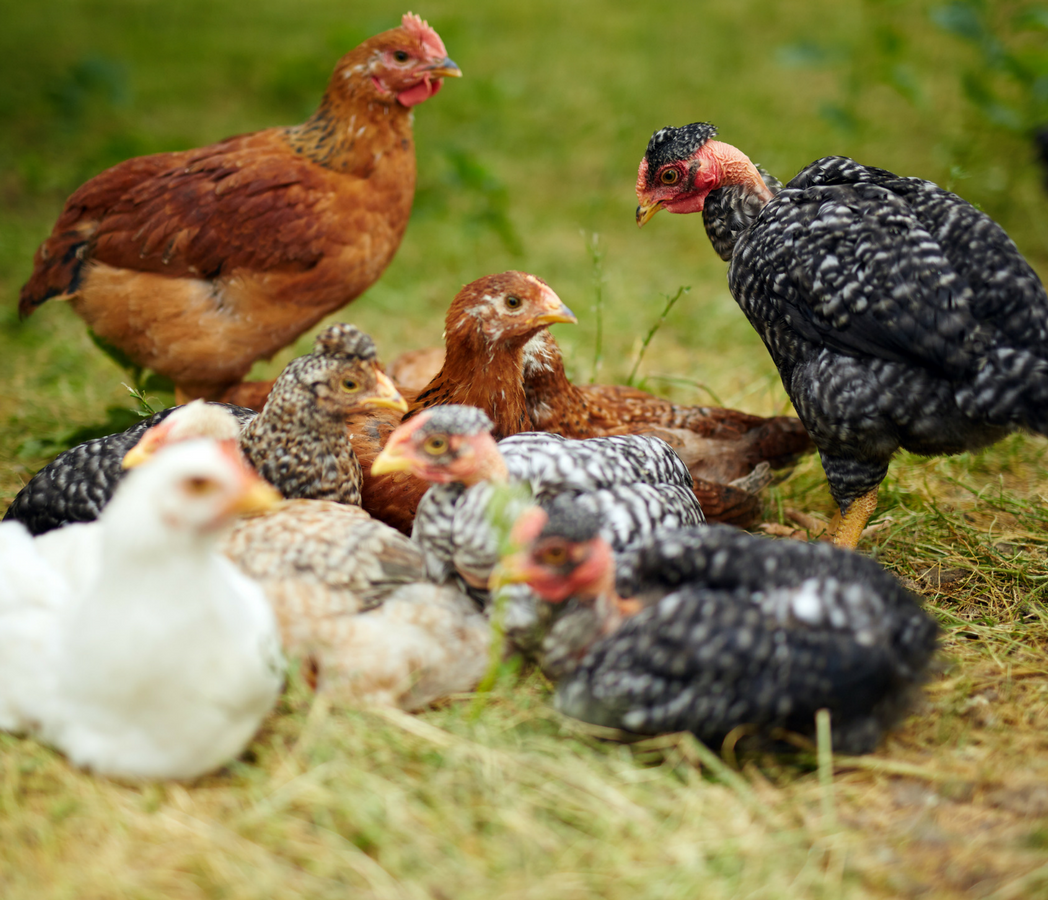
Preparing for Backyard ChicksRaising chickens is a great experience for the whole family. 

One of the primary requirements is providing housing that is comfortable for your backyard flock. Young chicks can be raised in a variety of structures, but the area should be warm, dry and ventilated, but not drafty. Also make sure it is easy to clean.

Warming
Small numbers of chicks can be warmed adequately with heat lamps placed about 20 inches above the litter surface.

Bigger groups of birds in a large room, such as a shed or a garage, should have a supplemental heat source such as a brooder stove.

Before you bring them home
Several days in advance, thoroughly clean and disinfect the brooder house and any equipment the chicks will use. Doing this in advance will allow everything to dry completely. Dampness is a mortal enemy to chicks, resulting in chilling and encouraging disease such as coccidiosis (parasite infection).

When the premises are dry, place 4 to 6 inches of dry litter material (wood shavings or a commercial litter) on the floor.

Feeders and Waterers
It’s important to ensure your chicks have access to fresh feed and water. Positioning the feeders and waterers along the edges of the comfort zone will:

  • Keep the water and feed from being overheated
  • Help keep water and feed cleaner (chicks milling and sleeping under the warmth source often scatter bedding and feces)
  • Encourage the chicks to move around and get exercise

Be sure to have plenty of fresh feed and water when the chicks arrive:

  • At least two 1-quart or one 1-gallon waterer for every 25 to 50 chicks
  • Dip the beaks of several chicks into the water to help them locate it. These chicks will teach the rest.

Feeders

  • Day 1: Use clean egg flats, shallow pans or simple squares of paper with small piles of feed on them.
  • Day 2: Add proper feeders to the pens.
  • A few days later: Remove the messy papers, pans or egg flats once chicks have learned to eat from the feeders.

Waterers

  • Should be emptied, scrubbed, rinsed and refilled daily
  • Wet litter around waterers should be removed as often as possible. Dampness encourages disease and parasite transmission. The drier the premises, the healthier and happier the chicks.
  • At about 4 weeks of age, ducks and geese will appreciate a swimming area, but you will need to keep the wet litter cleaned up.
  • In winter months, you may need to purchase a water heater to prevent water from freezing.

As chicks grow

  • Feeders and waterers can be moved outward from the heat source, expanding their area of activity and helping keep the feeders and waterers clean.
  • As the birds grow, the feeders and waterers should be adjusted to the height of the back of a standing bird. This will help decrease contamination and minimize wastage

Feeding your chicks
It is important to select a complete feed that gives your chicks all the nutrition they need to grow into healthy hens. Once they’ve reached maturity,a high-quality complete layer feed will help to maximize egg production and quality. If they are broiler chicks, choose a feed designed to support their more rapid growth. Layer chicks will reach egg-laying age at about 18 to 20 weeks; broiler chicks will reach market weight at 8 to 10 weeks.

You may also consider occasional supplements to their diet, such as table scraps, scratch grains, oyster shell and grit. However, supplemental feeds should make up no more than 10 percent of a hen’s diet.

Purina offers a complete line of poultry feeds appropriate for each bird in your flock.

Lighting and heating for your chicks
A thermometer should be placed at the chicks’ level to accurately gauge temperature.

  • Adjust the brooder stove and/or heat lamps 24 hours in advance so that upon the chicks’ arrival, you’ve created a comfort zone that is 90º F at “chick level.”
  • For turkey chicks, the comfort zone should be 100º F.
  • Use a brooder guard (a plastic, cardboard or wire barrier) for a few days to encircle the brooding area so that the chicks don’t wander too far from the warmth.
  • Once chicks have learned where the heat is, remove or expand the guard. This will allow the chicks to escape the heat if necessary. Getting overheated can be as dangerous as getting chilled.
  • Chicks that huddle under the lamp are too cold. Chicks that sprawl along the brooder guard are too hot. Chicks happily milling around all portions of the brooder area are comfortable.
  • The temperature can be gradually reduced by 5º F per week to a minimum of 55º F.

Even after your chicks have grown into hens, keep a standard old-fashioned 40-watt incandescent light bulb handy; or, if you’re using the new energy-efficient bulbs, a 28-watt halogen, 10-watt compact fluorescent, or 8-watt LED bulb, to maintain the artificial light necessary for egg laying to continue through the winter months.

Article Attributed to Purina Animal Nutrition

Preventing Heat Stress in Cattle

Friday, July 20th, 2018

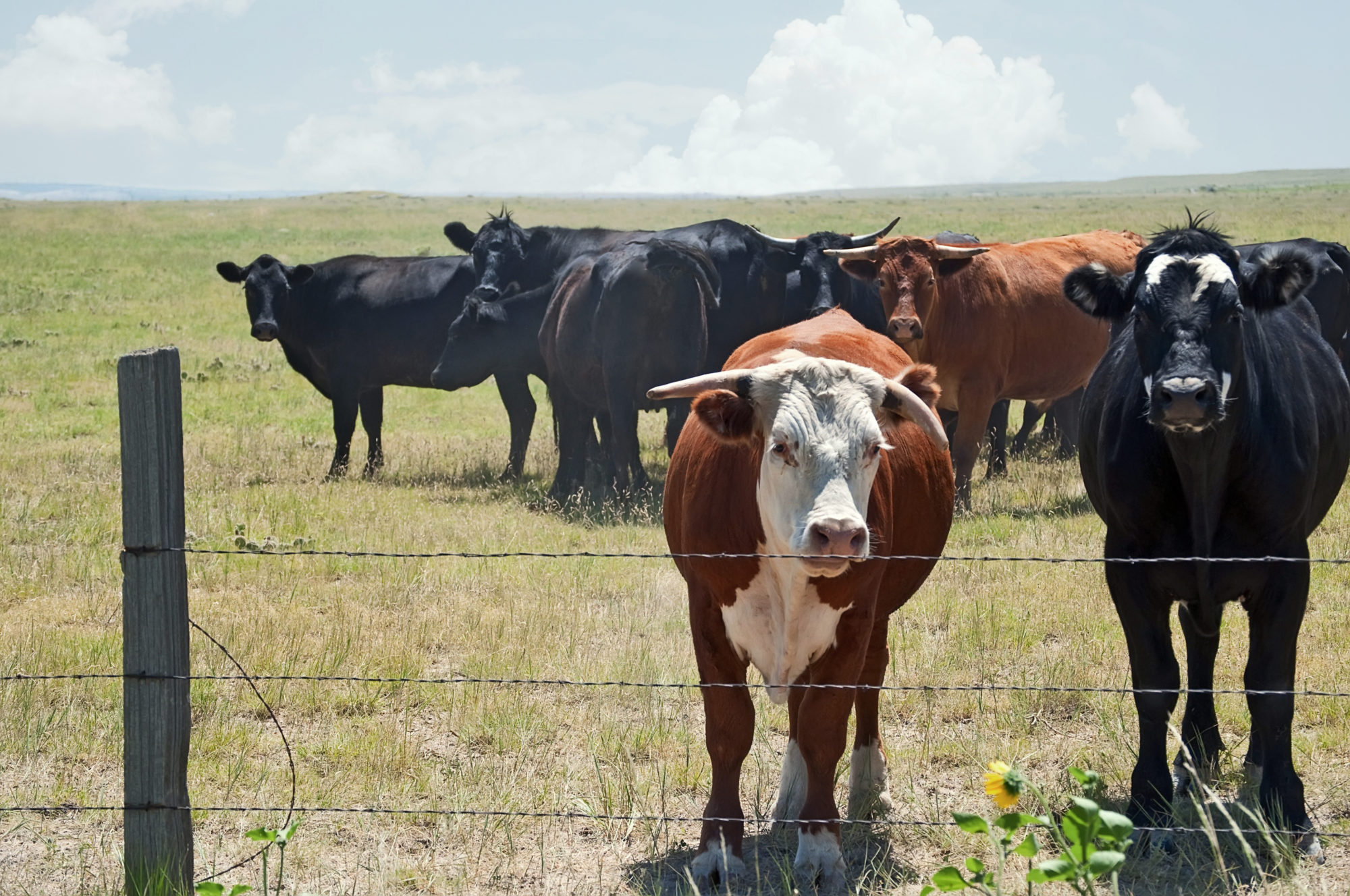
Preventing Heat Stress in CattleChanges in dairy-ration formulation and feed management can help prevent reductions in dry matter intake during hot weather, advises Alvaro Garcia, South Dakota State University Extension dairy specialist.

“Heat stress occurs when cows cannot dissipate enough heat to maintain their core temperatures below 101.3°F,” says Garcia. “Internal heat production increases at higher dry-matter intakes, which makes high-producing cows more sensitive to heat stress. Body-temperature increases of just 2.7° have been shown to result in intake reductions of almost 13 lbs.”

When intake drops, nutritionists often formulate energy-dense rations with more concentrates and less forages. That’s a sound practice, says Garcia, if there’s sufficient effective fiber to stimulate rumination and maintain adequate rumen pH.

“Heat-stressed cows reduce rumination and tend to select finer feed particles. This combination of more concentrated rations, together with a reduced capacity to buffer rumen pH, increases the risk of acidosis during hot weather. These changes can be observed in farms by a reduction in milkfat and higher incidence of lameness.”

Here’s Garcia’s checklist of feeding strategies that help reduce excessive drops in intake:

  1. Feed in early mornings or evenings so the highest metabolic heat production doesn’t coincide with maximum environmental temperatures.
  2. Avoid feed shortages in the bunk. When offering fresh feed, there needs to be 0.5-5% refusals. Target refusals by pen as follows: fresh cows, 3-5%; high pen, 1-4%; low pen, 0.5-3%. Remove refusals at least once a day to minimize heating of the fresh feed.
  3. Feeding a TMR is better than supplying feedstuffs individually.
  4. Silages improve ration acceptability and have low pH, so they slow mold and yeast growth and reduce heating.
  5. Including other high-moisture products such as sweet bran, beet pulp or wet distillers grains also helps increase ration acceptability.
  6. Add water when ration dry matter exceeds 60% to bring it down to 50%. Water conditions the ration, reduces dust and increases its acceptability.
  7. Feeding at least twice a day and mixing the TMR immediately prior to feeding helps reduce heat buildup in the feed bunk.
  8. Push up feed 8-10 times a day. Make sure there’s feed available all along the feed bunk; cows tend to concentrate and eat close to fans or water troughs.
  9. Manage the silo face to prevent secondary fermentations and heating. Defacer equipment minimizes air infiltration. Remove at least 1’ daily from all the exposed face, and use all removed silage as soon as possible.
  10. Use feed additives to control mold growth and reduce secondary fermentations and excessive heating in the feed bunk. Most of these products contain propionic acid.
  11. Feed high-quality, highly digestible forages. Target minimum effective NDF at 22% of the diet dry matter.
  12. Avoid excessive particle breakdown during mixing. Most TMR mixers have three- to six-minute mixing times when they have been turning during loading. Check particle size with a Penn State forage particle separator. The top sieve of a three-sieve separator should retain 2-8% of the diet.
  13. Feed additives such as yeasts, fungi and/or probiotics can improve rumen health.
  14. Increase sodium bicarbonate to 1% of the diet; also supply it free choice.
  15. Heat-stressed cows lose lots of minerals. Increase sodium, potassium and magnesium to at least 1.5, 0.45 and 0.35% of the diet dry matter, respectively. White salt (sodium chloride) is a source of sodium; however it’s important to maintain chlorine at 0.35% of the diet dry matter, and not exceed 0.5% white salt.
  16. Use rumen-protected fat to increase the ration’s energy density, but avoid unprotected fats such as vegetable oils or tallow.
  17. Maintain high levels of starches and sugars in the diet (26 and 8%, respectively). Cereal grains that contain starch with slower degradation rates, such as corn and milo, are better than wheat and barley, which have faster degradation rates.
  18. Place water troughs in shade and clean them frequently. Cows prefer to drink water with a temperature between 63 and 82°F. If the water isn’t cool enough, it further adds to the heat load.

Source: Hay & Forage

Summer Car Heat Safety for your Pet

Thursday, June 28th, 2018

Heatstroke

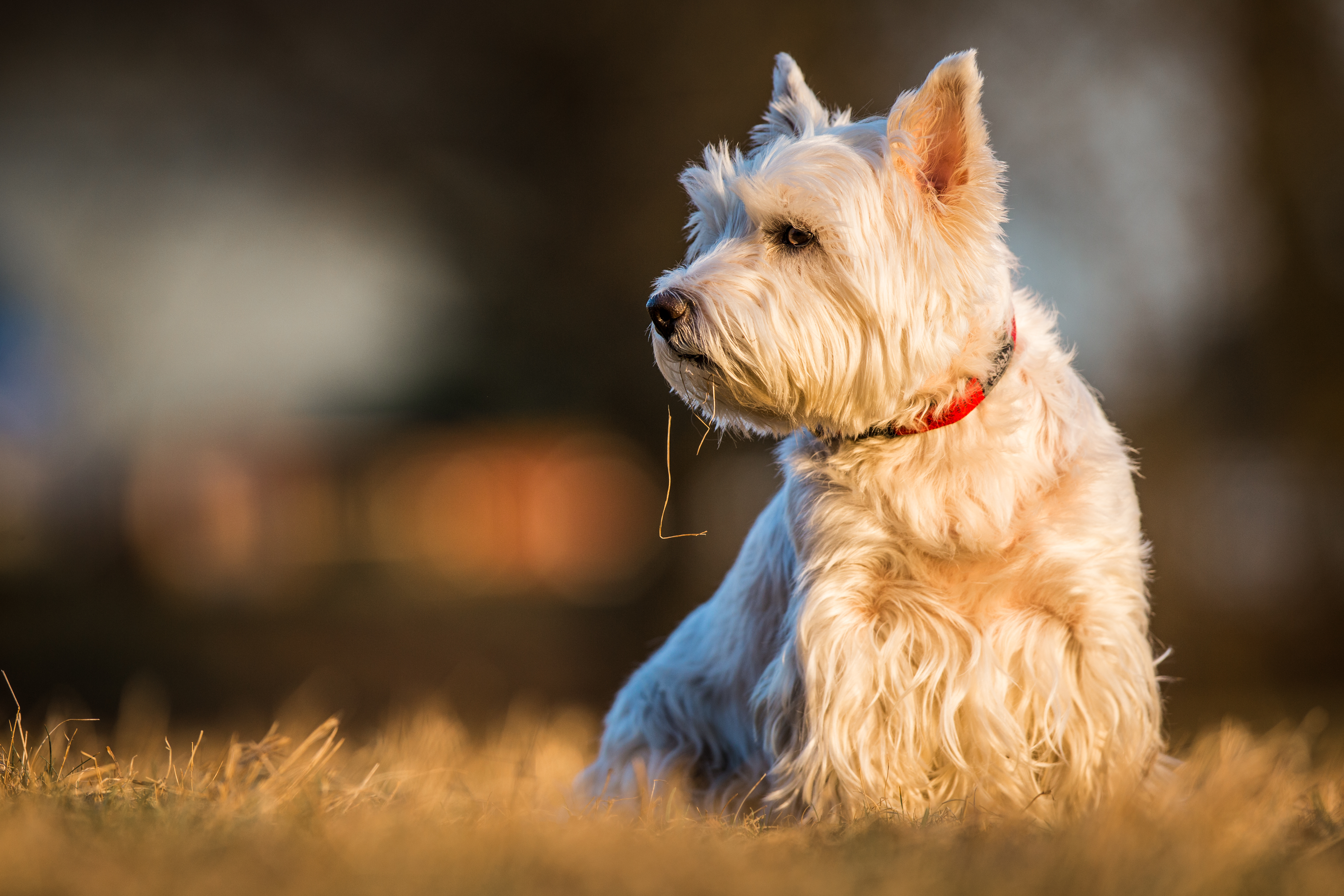
You’ve heard of it, you knew it affected people, and you were even vaguely aware that it could affect your pet. But how does it happen? And most important, how can you help your pet avoid it? Heatstroke is a deadly disease that can kill your beloved companion, even with emergency treatment. The best way to avoid this terrible situation is prevention, and it’s all up to you.

Sun + humidity = heatstroke(and other factors that kill)

Everyone knows that the inside of a car on a hot summer’s day can be lethal. But Fido needs you to know more than that to keep him safe in the deadly sun. Days above 90 degrees, especially with high humidity, are inherently dangerous for your pet. Humidity interferes with animals’ ability to rid themselves of excess body heat. When we overheat we sweat, and when the sweat dries it takes excess heat with it. Our four-legged friends only perspire around their paws, which is not enough to cool the body. To rid themselves of excess heat, animals pant. Air moves through the nasal passages, which picks up excess heat from the body. As it is expelled through the mouth, the extra heat leaves along with it. Although this is a very efficient way to control body heat, it is severely limited in areas of high humidity or when the animal is in close quarters.

The shape of an animal’s nasal passages can contribute to an animal’s tendency to overheat. Brachiocephalic (pug-nosed) dogs are more prone to heatstroke because their nasal passages are smaller and it’s more difficult for them to circulate sufficient air for cooling. Overweight dogs are also more prone to overheating because their extra layers of fat act as insulation, which traps heat in their bodies and restricts their breathing capabilities. Age can also be a factor in an animal’s tendency to overheat–very young animals may not have a fully developed temperature regulating system, and older pets’ organ systems may not be functioning at 100 percent, leaving them prone to heat-related damage.

Cracking the windows doesn’t cut it

So where are the danger zones? The most obvious is your car: It can become a death trap even on a mild sunny day–and can insidiously raise the car’s temperature to well above 120 degrees! Never, ever leave your pet inside the car. If Fido can’t come with you when you get out of the car, leave him at home.

What are some other dangerous situations for your pets? Leaving animals outdoors without shelter is just as dangerous as leaving them inside a hot car. Be sure they are not left in a cage in the hot sun, on a chain in the backyard, or outdoors in a run without sufficient shade or air circulation.

Their lives are in your hands

Heatstroke is a medical emergency. If you suspect your pet has heatstroke, you must act quickly and calmly. Have someone call a veterinarian immediately. In the meantime, lower the animal’s body temperature by applying towels soaked in cool water to the hairless areas of the body. Often the pet will respond after only a few minutes of cooling, only to falter again with his temperature soaring back up or falling to well below what is normal. With this in mind, remember that it is imperative to get the animal to a veterinarian immediately. Once your pet is in the veterinarian’s care, treatment may include further cooling techniques, intravenous fluid therapy to counter shock, or medication to prevent or reverse brain damage.

Even with emergency treatment, heatstroke can be fatal. The best cure is prevention, and Fido and Fluffy are relying on you to keep them out of harm’s way. Summer does not have to be fraught with peril–with ample precaution, both you and your furry friends can enjoy those long, hot, dog-days of summer.

Signs of Heatstroke

  • Panting
  • Staring
  • Anxious expression
  • Refusal to obey commands
  • Warm, dry skin
  • High fever
  • Rapid heartbeat
  • Vomiting
  • Collapse

Precautions to take if your pet lives outdoors

  • Ensure adequate shelter from sun/midday heat
  • Outdoor kennels should be well-ventilated and in the shade
  • Provide plenty of fresh water in a bowl that cannot be tipped over
  • Avoid excessive exercise on hot days
  • Talk with your local veterinarian to determine if your long-haired Fido needs a summer haircut

Source: American Animal Hospital Association
Summer Pet Care

Friday, June 15th, 2018

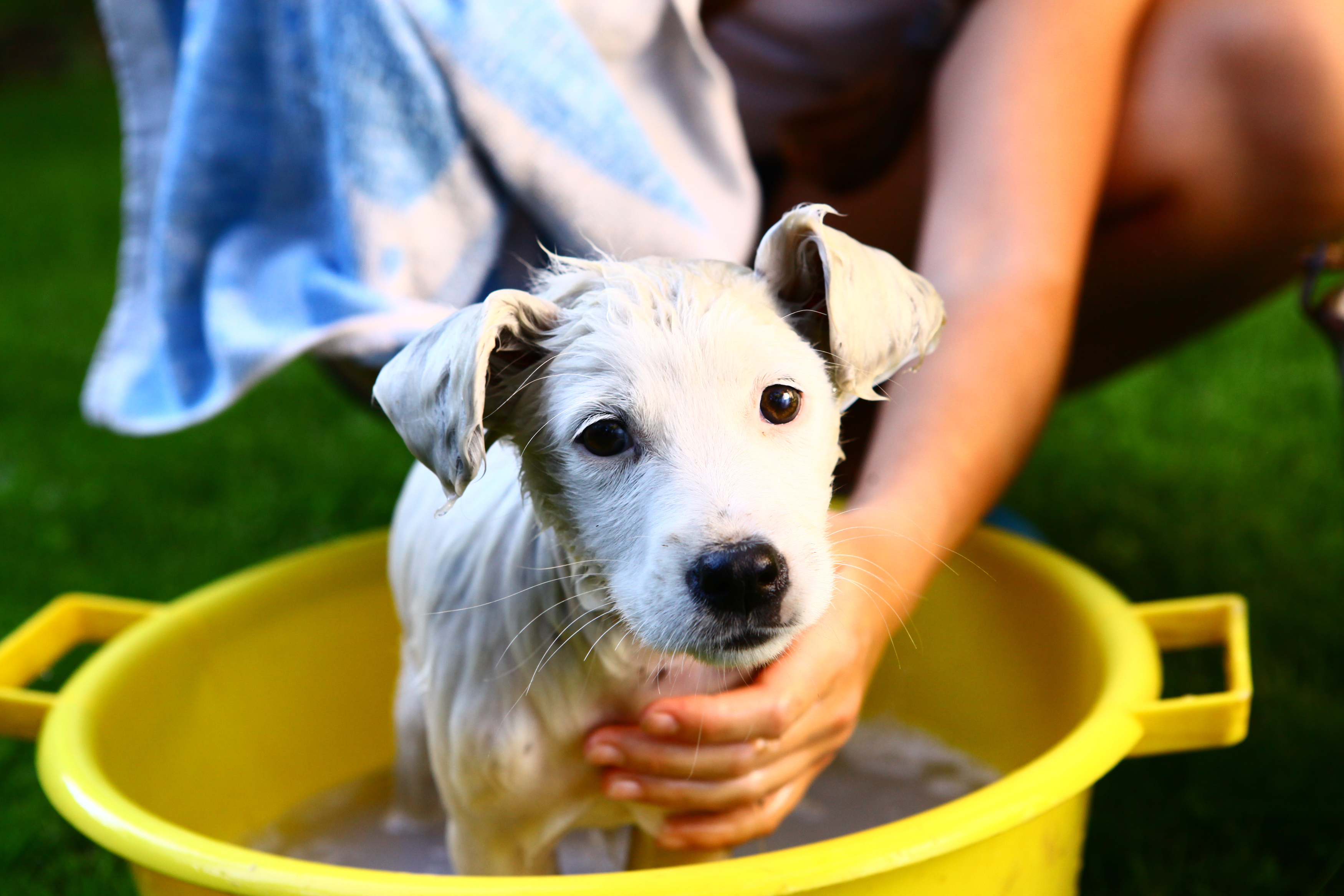
When the lazy days of barbecues and swimming pools roll around, you can make them even better by sharing them with your favorite pet. By following a few summer pet safety tips, you can keep your animal friends healthy and enjoy the months of sun and fun.

  • Never leave your pet in the car. Though it may seem cool outside, the sun can raise the temperature inside your car to 120 degrees Fahrenheit in a matter of minutes, even with the windows rolled down. If you need to run some errands, leave the furry ones at home.
  • As you’re outside enjoying the warm weather, keep your pet leashed. It will keep her from getting lost, fighting other animals, and eating and drinking things that could make her sick. This tip isn’t just for dogs–even cats can learn to walk on a leash if you train them.
  • Water, water everywhere. Whether you’re indoors or out, both you and your pet need access to lots of fresh water during the summer, so check her water bowl several times a day to be sure it’s full. If you and your furry friend venture forth for the afternoon, bring plenty of water for both of you.
  • Pets need sunscreen too. Though all that fur helps protect her, your pet can get sunburned, particularly if she has light skin and hair. Sunburn in animals can cause problems similar to those it can cause in people, including pain, peeling, and skin cancer. So keep your pet out of the sun between 10 a.m. and 4 p.m., and when you do go out, rub a bit of sunblock on unprotected areas like the tips of her ears, the skin around her lips, and the tip of her nose.
  • Say no to tangles. Keeping your pet well groomed will help her hair do what it was designed to do: protect her from the sun and insulate her from the heat. If she has extremely thick hair or a lot of mats and tangles, her fur may trap too much heat, so you may want to clip her.
  • Watch out for antifreeze. Hot weather may tempt your pet to drink from puddles in the street, which can contain antifreeze and other chemicals. Antifreeze has a sweet taste that animals like, but it’s extremely toxic. When you’re walking your pet, make sure she doesn’t sneak a drink from the street.
  • Be cautious on humid days. Humidity interferes with animals’ ability to rid themselves of excess body heat. When we overheat we sweat, and when the sweat dries it takes excess heat with it. Our four-legged friends only perspire around their paws, which is not enough to cool the body. To rid themselves of excess heat, animals pant. Air moves through the nasal passages, which picks up excess heat from the body. As it is expelled through the mouth, the extra heat leaves along with it. Although this is a very efficient way to control body heat, it is severely limited in areas of high humidity or when the animal is in close quarters.
  • Make sure your pet doesn’t overexert herself. Though exercise is an important part of keeping your dog or cat at a healthy weight, which helps her body stay cool, overdoing it can cause her to overheat. Keep the walks to a gentle pace and make sure they have plenty of water. If they are panting a lot or seems exhausted, it’s time to stop.
  • Take it easy on pets that can’t deal with the heat. Elderly, very young, and ill animals have a hard time regulating their body temperature, so make sure they stay cool and out of the sun on steamy summer days. Dogs with snub noses, such as Pekingese, pugs, and bulldogs, have a hard time staying cool because they can’t pant efficiently, so they also need to stay out of the heat. Overweight dogs are also more prone to overheating, because their extra layers of fat act as insulation, which traps heat in their bodies and restricts their breathing capabilities.
  • Bring them inside. Animals shouldn’t be left outside unsupervised on long, hot days, even in the shade. Shade can move throughout the afternoon, and pets can become ill quickly if they overheat, so keep them inside as much as possible. If you must leave your pet in the backyard, keep a close eye on her and bring her in when you can.
  • Keep an eye out for heatstroke. Heatstroke is a medical emergency. If you suspect your pet has heatstroke, you must act quickly and calmly. Have someone call a veterinarian immediately. In the meantime, lower the animal’s body temperature by applying towels soaked in cool water to the hairless areas of the body. Often the pet will respond after only a few minutes of cooling, only to falter again with his temperature soaring back up or falling to well below what is normal. With this in mind, remember that it is imperative to get the animal to a veterinarian immediately. Once your pet is in the veterinarian’s care, treatment may include further cooling techniques, intravenous fluid therapy to counter shock, or medication to prevent or reverse brain damage.

Even with emergency treatment, heatstroke can be fatal. The best cure is prevention, and Fido and Fluffy are relying on you to keep them out of harm’s way. Summer does not have to be fraught with peril–with ample precaution, both you and your furry friends can enjoy those long, hot dog-days of summer.

Signs of Heatstroke

  • Panting
  • Staring
  • Anxious expression
  • Refusal to obey commands
  • Warm, dry skin
  • High fever
  • Rapid heartbeat
  • Vomiting
  • Collapse

Source: American Animal Hospital Association

Navigation


Share this page

Calendar

July 2026
No event found!

Quick Info


Main Store
1501 Eastern Ave map

Saint Cloud, FL 34769..

Contact Info

Phone: 407-957-4100
Fax: 407-957-0450

Store Hours

Mon-Fri: 8:00 am - 6:00 pm
Sat: 8:00 am - 5:00 pm
Sunday Closed


Second Store
215 13th Street

St. Cloud, FL 34769

Contact Info

Phone: 407-892-4040

Store Hours

Mon-Fri: 8:00 am - 6:00 pm
Sat: 8:00 am - 5:00 pm
Sunday: Closed

Owner: Samantha Holloway
1501 Eastern AveSaint Cloud, FL 34769
Phone: 407-957-4100
Fax:407-957-0450

2nd Store
215 13th Street St. Cloud, FL 34769

Contact Info
Phone: 407-892-4040
Store Hours
Mon - Sat 9:00 am - 7:00 pm
Sun Closed