
Archive for the ‘News & Updates’ Category

Weed Control for Hay and Pasture Weeds

Sunday, January 28th, 2024

weed controlWeed Control for Hay and Pasture Weeds: Here are some helpful tips for weed management in forages are presented in a simple/straight-forward fashion for your convenience.

Established hay and pasture

The flowering stage is an excellent time to attempt some control of poisonous perennial plants. A number of common plants can be poisonous when eaten in sufficient quantity by livestock, so monitor those pasture and hay fields closely. Remember that perennial weeds are most sensitive to control with a systemic herbicide when they are in the bud to bloom stage and in late summer. Biennials including musk and plumless thistle, burdock, wild carrot, etc. should be treated before they begin to bolt (they are bolting now or very soon) and the smaller the better. Late fall or early spring is even a better time to treat them. And finally, control summer annual weeds as soon after they emerge as possible when they are most sensitive to chemical control. Below are some guidelines to provide a quick management summary for some common weeds of pasture.

Management guidelines for some problem weeds of pastures:

Annuals

Winter annuals (Mustard species, common chickweed, etc.)

  • Mow after bolting to prevent seed production.
  • Apply an effective herbicide in fall or spring prior to bolting.
  • Most winter annuals emerge by late fall – a smaller percentage will emerge in early spring.
  • Prevent seed production to prevent spread.

Summer annuals (Pigweed species, common lambsquarters, common ragweed, etc.

  • Keep pasture full and competitive.
  • Mow after bolting to prevent seed production.
  • Apply an effective herbicide in early summer.
  • Prevent seed production to prevent spread.

Biennials

Biennials (common burdock, bull and musk thistle, poison hemlock, etc.

  • Mow after plants have bolted but before seed set to prevent seed production.
  • Remove or dig individual plants by hand.
  • Apply an effective herbicide to rosettes in the spring or fall.
  • Prevent seed production to prevent spread.
  • Several insect biocontrol tools may help with thistles in the future.

Perennials

Creeping perennials (Canada thistle, horsenettle, etc.)

  • Mow to suppress vegetative growth and prevent seed production.
  • Spray with an effective systemic herbicide at bud to bloom stage or in early fall prior to frost.
  • Most perennials spread by both seed and vegetative structures.

Woody perennials (multiflora rose, autumn olive, etc.)

  • Mow to suppress and prevent seed production – remove roots by hand or with heavy equipment.
  • Spray with an effective systemic herbicide at bud to bloom stage or in early fall.

In conclusion, Kissimme Valley Feed offers a variety of garden supplies, fertilizers, plants, and preventative care for your lawn. Keeping your pasture, lawn, or garden free from bugs and weeds is important.  Our selection of herbicides, insecticides and pest traps will have you in control of these pesky weeds. See our lawn and garden section here.

Article Source: Penn State Extension

Planning Your Garden

Thursday, January 4th, 2024

If you’re looking to grow your own food and enjoy the rewards of a flourishing garden, you’re in the right place. January marks the perfect time of year to start planning and getting everything ready. Whether it’s your first time starting a garden or you’re a seasoned green thumb, there are a few steps you need to take in order to achieve a thriving garden. In this guide, we’ll help you through the essential steps that need to be taken so you can have a successful garden come spring.
Step 1: Decide What to Plant

When it comes to planning your garden, you must first decide on what type of vegetables you would like to grow. Start by deciding what your family enjoys eating and make a list of the produce they love. Next, check which crops are best suited for the climate you live in and what will grow best in your soil type. Consider planting perennial crops that come back year after year, or focus on annual plants that produce food more quickly. Keep in mind that you should space out your plantings to ensure you get fresh vegetables throughout the entire growing season.

Step 2: Choose Your Site

Choosing the right site for your garden is crucial to its success. Look for a location that receives plenty of sunlight and has well-draining soil. Avoid areas that tend to flood or are too rocky, as this can stunt plant growth. Also, pay attention to nearby trees that may cast shade over your garden bed and rob your plants of sunlight. If you are planting a container garden, make sure it has proper drainage holes to avoid over watering.

Step 3: Prepare the Soil

Soil preparation is essential to having a bountiful harvest. Start by removing any weeds or debris from the site that you have chosen. Next, consider tilling the soil to make it easier for your plants’ roots to grow. Adding organic matter to the soil can also provide necessary nutrients for your plants to thrive. Compost is a natural option for enriching your soil and can be added in the fall or early winter before planting.

Step 4: Planting and Care

It’s now time to get your soil ready and begin planting. Make sure to check the seed packet for the ideal planting time and depth, as well as how far apart the seeds should be spaced. Once planted, regular watering is essential for plants to grow healthy and strong. Consider drip irrigation or a hose with a low-pressure nozzle that can help water the plants at the root level. Regularly fertilizing with organic fertilizers will also keep nutrients flowing to your plants.

Step 5: Pest and Weed Control

Pests and weeds can be a common issue when planting a garden. To avoid problems, consider using organic means to control and keep weeds at bay rather than using toxic herbicides, which can harm beneficial insects and pollinators. Consider using natural pest control methods such as companion planting and crop rotation to help control pests and insects. Also, try using natural pest deterrents like plant oils, insecticidal soaps, and beer and yeast traps.

Now that we’ve walked through the various steps involved in planning your garden, you’ll be well-equipped to get started. Sure, there might be a little hard work involved in the process, but the rewards of a flourishing garden that provides fresh, organic produce are more than worth the effort. Remember, planning is paramount to a successful garden, so take the time to choose your site and plant accordingly, and you’ll be on your way come springtime.

Tips for Storing Your Animal Feed Properly

Monday, July 24th, 2023

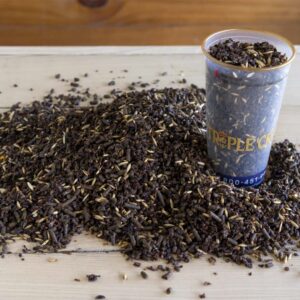
Cup of Triple Crown Feed This month, Triple Crown Feeds shared some tips for storing and using their products correctly, specifically during Summer:

  1. Buy smaller quantities more frequently to reduce sit time.
  2.  Be sure to always feed older bags first.
  3. Store bags off the ground in a cool, dark location away from direct sunlight and weather exposure.
  4. Always inspect your feed, forages and supplements at each feeding!

We thought it might be nice to go over the basics for all of your animals’ feed.

As an animal owner, you know the importance of providing your animals with the best possible nutrition. That’s why you take the time to research and choose the right feed. However, all that effort will be for nothing if the feed is not stored properly. Proper storage is essential to keeping your animal feed fresh and protecting it from pests and other contaminants. Here are some tips to help you store your animal feed properly.

Store In A Cool, Dry Place Away From Direct Sunlight

One of the best ways to keep your animal feed fresh is to store it in a cool, dry place. Exposure to sunlight, heat, and moisture can cause the feed to go bad quickly. When selecting a storage area, choose a location that is away from direct sunlight and where air circulation is good.

Keep Bags Of Feed Sealed Tightly

Before storing the feed, make sure to seal the bags tightly. This will keep insects and critters away from the feed and prevent air and moisture from getting inside. Use a clip or seal that is strong enough to keep the bag closed for good measure.

Use Metal Containers To Store Feed, Especially In Areas With Rodents

If you live in an area with rodents, consider storing your animal feed in metal containers. Rats and other rodents can chew through plastic bags quickly and easily, so it’s best to store your feed in a container with a tight-fitting lid that they can’t nibble their way into.

Inspect Bags Of Feed Before Use

Make sure to inspect each bag of feed before you use it. Check for any signs of damage or pests inside the bag. Be sure to discard any bags that look suspicious or if you find pests. If the feed smells off or has a strange odor, it is better not to take any risks and discard it.

Rotate The Feed

Rotation of feed will make sure the feed is always fresh. Use the oldest feed first and keep the newer one in the back. Make sure the feed doesn’t sit in storage past the expiration date. Storing expired feed can be harmful to your animal’s health.

Proper storage of animal feed is essential for keeping your animals healthy and happy. By following these tips, you can help prolong the shelf life of your animal feed and ensure that your animals get the best possible nutrition. Remember, take the time to store your animal feed properly today, for the health and well-being of your animals tomorrow.

Now that you’ve read the Tips for Storing Your Animal Feed Properly, check out Kissimmee Valley Feed’s animal products here.

Getting Started Showing

Monday, July 17th, 2023

Show FamiliesGetting Started Showing: There are many factors that will insure a positive and rewarding result from a show project, but there is no arguing the importance of a proper, hassle free start. Here are 5 very important items to insure the opportunity for a positive start.
Housing:

No matter the species, proper housing is key. Insuring a draft free and dry place to get refuge is essential during the cooler months. Heat lamps are an aid in keeping smaller animals warm but at no time is a totally enclosed facility with stale air acceptable as it promotes sickness. On the contrary, during warm seasons, animals need shade from the sun and a place to stay cool. Access to fresh, clean water is also a must as it is critical to maintain a healthy animal.

Selection:

Always chose an animal that’s age and weight will be optimal to the industry and showring, while complying with the rules of the show. Seek advice from a reputable breeder, Ag Agent, or seasoned veteran for assistance to select the correct animal.

Feeding:

Starting you project with proper nutrition is a must. All show feeds have a suggested feeding information to match the needs of genetics and age to maximize results. Keep feed fresh and encourage a strict feeding schedule to promote a consistent appetite. Feed their potential.

Daily Care:

It is very important to work with animals daily to train them to be show animals. Routine exercise, brushing, and mimicking “show day” will not only keep your animals relaxed and prepared for the big day, but will also increase your showmanship skills at the same time.

Vet Care:

If your animal ever refuses to eat or appears to be sick, always keep a thermometer handy and the contact information to a qualified veterinarian. They will always ask some preliminary questions and body temperature will be a vital one for diagnosis and treatment.

In conclusion, for more tips on Getting Started Showing, visit Kissimmee Valley Feed. Check out our Show Feed Selection here.

Article Source: Nutrena’s Blog

11 Tips to Curb Heat Stress in Cattle

Wednesday, July 12th, 2023

11 Tips to Curb Heat Stress in CattleWater, shade and the right nutrition can help mitigate heat stress in cattle.

The weather report says it’s going to be a scorcher, and sure enough – the temperatures start steadily climbing. Cattle start grouping in shady spots. A few cows start panting to stay cool. The flies settle in. And, suddenly, you’ve got a herd struggling with heat stress.

The heat may be unavoidable, but you can take proactive steps to mitigate its impact on your herd. First, let’s look at the dangers of heat stress in cattle.

When temperatures rise

Cattle have sweat glands, but it’s not a very efficient way for them to cool off. Instead, they rely on respiration, or opening their mouths and panting, to help them dissipate heat. When it’s 80 degrees or hotter out, their ability to regulate their own temperature becomes a big challenge. You start to see behavior changes – more time in the shade, less time grazing and increased water consumption.

To make the heat even more challenging:

  • A cow’s rumen activity naturally increases body heat. Fermentation occurs in the rumen, producing heat as bacteria break down and digest forages.
  • Cattle seek shade to help keep cool. Grouping up in the shade sometimes has the reverse effect and creates a lot of radiant heat between cows. The thermometer might read 90 degrees, but the temperature in the middle of the group could be much hotter.
  • Crowded cattle attract more flies, causing animals to move even closer together to protect themselves.
  • Animals with dark hides have a higher risk of suffering heat stress than those with lighter-colored hides.

Suddenly your herd feels overheated and cattle are less likely to graze.

When grazing stops

Forage is the number one nutrition source for cows on pasture. If they aren’t grazing as much during a heatwave, they’re probably not meeting their cattle nutrition requirements.

When cows don’t get adequate nutrition, they’re at risk of:

  • Losing body condition
  • Taking longer to rebreed
  • Producing less milk for their growing calf
  • Generating a weaker immune response to health challenges
  • Long-term fertility consequences

If cattle are too hot to graze, they may also be too hot to consume mineral at target intake levels. If you’re using a fly control mineral and intakes are below target levels, cows no longer benefit from it because they aren’t getting a full dose of fly control.

Curb heat stress in cattle by planning for proper shade, water and the right nutrition program.

11 hot weather tips for cattle

  1. Ensure access to fresh, clean water. A brood cow drinks 25 to 30 gallons of water on a normal day. She’ll drink even more in hot weather.
  2. Check water tanks often to make sure they are clean and free of contamination (algae, feces, organic material, etc.). You might need additional portable tanks to ensure adequate access.
  3. Place water tanks in shaded areas to keep water cool if possible. Keep waterers several feet away from buildings or fences, so cattle can access water from all sides.
  4. Offer supplements to help cows make the most of their forages. Accuration® Supplements with Intake Modifying Technology® helps feed necessary rumen microbes to keep cattle eating and encourages snack eating behavior.
  5. Choose a mineral designed for consistent consumption during hot weather, like Purina® Wind and Rain® Summer Season Mineral.
  6. Control flies to prevent further stress and grazing disturbance. Purina® Wind and Rain® Fly Control Mineral contains Altosid® IGR, an insect growth regulator offering a beneficial mode of action to deliver fly control via cattle nutrition. Consider Purina® Wind and Rain® Fly Control Mineral to stop the horn fly life cycle by preventing pupae from developing into biting, breeding adult flies.
  7. Supply ample shade. Whether it’s provided by trees, a manmade building or portable structures, shade is critical. It might be necessary to move cattle to a pasture with trees or additional shade.
  8. Strategically move rotational grazing herds to fresh pastures in the late afternoon/early evening instead of the morning. Cows will have access to fresh grass when temperatures are beginning to cool and will be more likely to graze.
  9. Work cattle as early in the day as possible when temperatures are lower.
  10. Don’t graze pastures short before moving cows to another. Pastures with taller, thicker grass feels cooler than pastures with short grass where more soil surface is exposed.
  11. Observe cattle frequently and take precautions when hot and humid weather is forecast.

Call or visit Kissimmee Valley Feed to find the right cattle feed and management plan for you!

Article sourced from: Purina

Navigation


Share this page

Calendar

July 2026
No event found!

Quick Info


Main Store
1501 Eastern Ave map

Saint Cloud, FL 34769..

Contact Info

Phone: 407-957-4100
Fax: 407-957-0450

Store Hours

Mon-Fri: 8:00 am - 6:00 pm
Sat: 8:00 am - 5:00 pm
Sunday Closed


Second Store
215 13th Street

St. Cloud, FL 34769

Contact Info

Phone: 407-892-4040

Store Hours

Mon-Fri: 8:00 am - 6:00 pm
Sat: 8:00 am - 5:00 pm
Sunday: Closed

Owner: Samantha Holloway
1501 Eastern AveSaint Cloud, FL 34769
Phone: 407-957-4100
Fax:407-957-0450

2nd Store
215 13th Street St. Cloud, FL 34769

Contact Info
Phone: 407-892-4040
Store Hours
Mon - Sat 9:00 am - 7:00 pm
Sun Closed