Archive for the ‘Cattle’ Category

What Are the Essential Nutrients for Livestock Growth?

Friday, June 5th, 2026

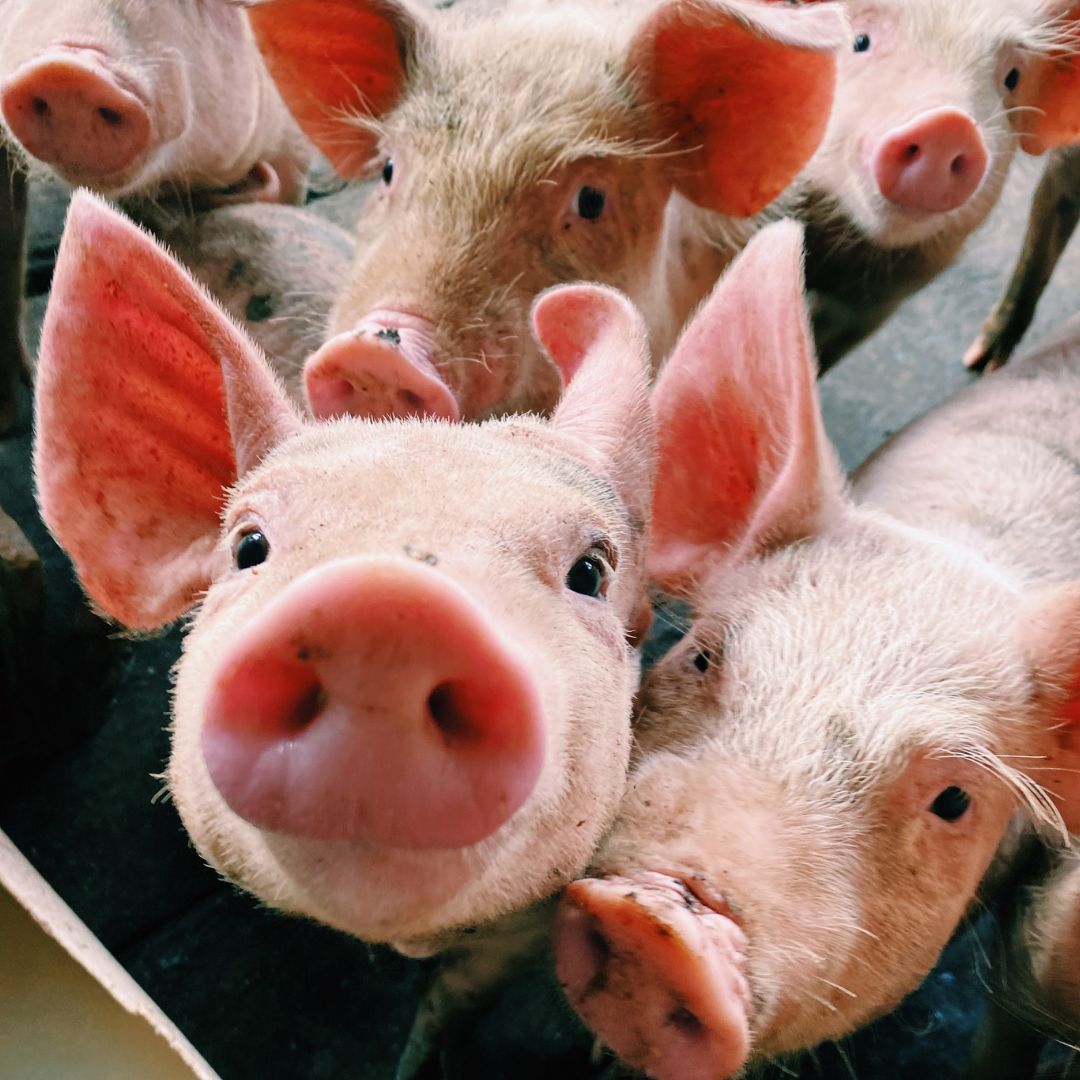
Are your livestock getting the essential nutrients they need for growth like these pigs pictured here?What Are the Essential Nutrients for Livestock Growth? We have answers. Raising healthy, productive livestock starts with understanding their basic nutritional needs. Just like people, animals require a balanced diet to grow strong and stay healthy. The right mix of essential nutrients provides the foundation for everything from muscle development to immune function. Providing this balance through high-quality feed is the best investment you can make in your herd.

Protein is the primary building block for muscle, tissue, and bone. Young, growing animals need a diet rich in protein to support their rapid development. Energy, which comes from carbohydrates and fats, fuels their daily activities and helps them maintain a healthy weight. Without enough energy, an animal will start breaking down its own muscle tissue, which slows growth.

Vitamins and minerals are just as crucial. These micronutrients support countless functions, including bone formation, immune response, and reproductive health. Deficiencies in key minerals like calcium or phosphorus can lead to serious health problems and poor growth rates. A complete feed is carefully formulated to provide these essential components in the correct ratios.

At Kissimmee Valley Feed, we offer superior feeds from trusted brands like Kalmbach, Nutrena and Purina. These companies invest heavily in research to create diets that meet the specific needs of different livestock at every life stage. Their products ensure your animals get the precise nutrition they require for optimal growth and performance.

Stop by our store today. Our team can help you navigate our selection and choose the perfect feed to help your livestock thrive.

Why Do Dairy Cows Look Thinner Than Beef Cattle?

Tuesday, May 5th, 2026

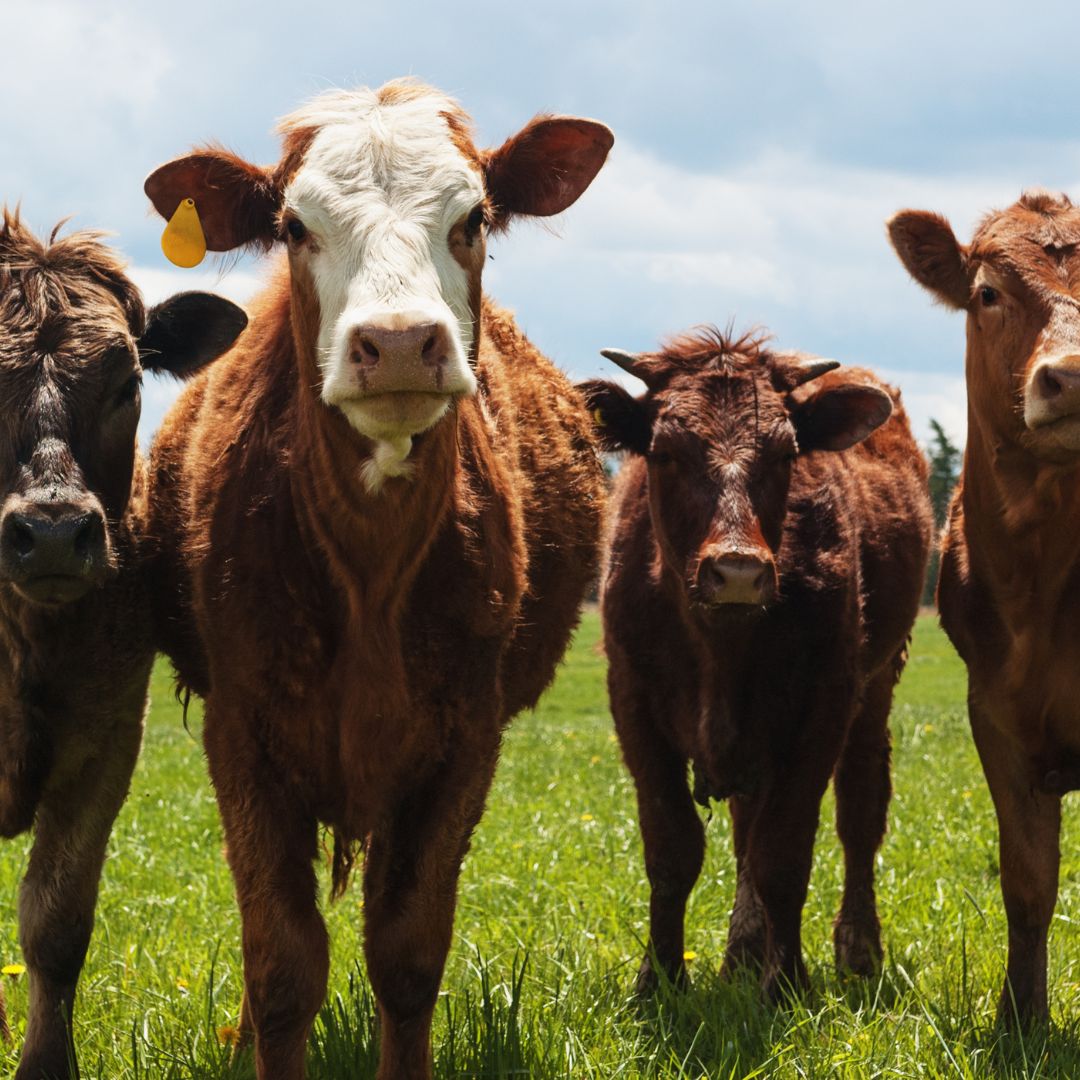
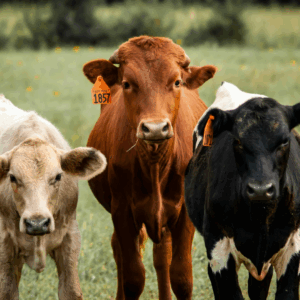
a crew of beef cattle seeming looking directly into the camera are pictured.Why Do Dairy Cows Look Thinner Than Beef Cattle? Have you ever driven past a pasture and noticed how “skinny” some cows look compared to others? If you see ribs or hip bones, you might worry the animal is underfed. However, this is usually just the difference between a dairy cow and a beef cow. They are bred for completely different purposes, and their bodies reflect that job.

Beef cattle, like Angus or Hereford, are built for meat production. Their bodies naturally store energy as muscle and fat. This gives them a blocky, rounded, and heavy appearance. When a beef cow eats, she uses that fuel to build a sturdy frame.

Dairy cattle, like Holsteins or Jerseys, are the marathon runners of the bovine world. Their job is to produce milk. A high-producing dairy cow directs almost all her energy into making milk rather than storing body fat. Because of this, she naturally looks angular and lean. Seeing her ribs doesn’t mean she is starving; it often means she is working hard and producing a lot of milk.

Regardless of the breed, proper nutrition is the key to health. A dairy cow needs a high-energy diet to sustain her milk production without losing too much weight. A beef cow needs balanced nutrition to build quality muscle.

At Kissimmee Valley Feed, we understand these unique needs. We carry specialized feeds for every type of cattle, including premium options from Kalmbach Feeds and Purina. Whether you are raising a prize steer or a family milk cow, we have the right fuel for them. Visit us today to find the perfect feed plan for your herd.

Vaccinate Your Cattle This January

Monday, January 5th, 2026

Vaccinate Your Cattle This January: As we start a new year, it’s important for cattle farmers to start thinking about vaccinating their herds. Vaccinating your cattle is one of the most important things you can do to protect their health, and ultimately, your livelihood. Let’s explore why January is a good time to start thinking about vaccinating your cattle, what vaccines are available, and how to determine which vaccines are right for your herd.

The winter months may seem like an odd time to think about vaccinating, but it’s actually the perfect time to start. Many diseases, such as bovine respiratory disease (BRD), can have a significant impact on cattle health and productivity. By vaccinating your herd in January, you’ll help protect them from these diseases before they become a problem in the spring and summer months.

Which Vaccine to Choose?

But which vaccines should you choose? This may seem overwhelming, but your local feed store can help. They can provide you with information on which vaccines are recommended for your area and what may be necessary for your particular herd. For example, a cow-calf operation will have different vaccine needs than a feedlot.

One vaccine that is highly recommended for all cattle is the clostridial vaccine. This vaccine protects against a range of diseases caused by the Clostridium bacteria, including blackleg, tetanus, and red water. Another vaccine to consider is one that protects against respiratory diseases, which can be particularly common in winter months. Bovine viral diarrhea (BVD) is another disease that can have serious financial implications. Vaccinating against BVD can help prevent its spread and reduce the risk of future outbreaks in your herd.

Correct Administration:

It’s not just about choosing the right vaccine, but also administering it correctly and at the right time. Make sure you’re following the manufacturer’s recommendations for dosage and timing. Some vaccines require booster shots to provide adequate protection. It’s essential to get your timing and dosage correct to prevent complications and increase the effectiveness of the vaccine. Don’t forget to keep accurate records of vaccinations given, so that you can keep track of when boosters are due, and which cattle may need vaccines again in the future.

Vaccinate Your Cattle This January: Vaccinating your cattle is an essential part of herd management, and January is a perfect time to start planning. By working with your local feed store and understanding the needs of your herd, you can choose the right vaccines to protect your cattle against potential threats and ensure their long-term health and productivity. As with all aspects of herd management, it’s important to stay up-to-date and informed, so don’t forget to research and stay on top of vaccination recommendations. Stay ahead of the curve and protect your herd by vaccinating your cattle this January!

Preparing Your Livestock for Winter Feeding

Monday, November 10th, 2025

cattle grazing in winterPreparing Your Livestock for Winter Feeding: With colder weather on the horizon, many farmers and ranchers are preparing for the winter months. One of the most important things to consider when getting your animals ready for winter is their feed. During this time, hay becomes the most common type of feed for livestock. However, it is essential to ensure that you have enough hay to get your animals through the season. In addition, it is necessary to think about supplementing your hay with other feeds such as grain or grass to keep your animals healthy. We have some essential tips for feeding and nutrition that will help you prepare your livestock for winter.

1) Plan for Adequate Hay Supply

Before winter arrives, farmers and ranchers need to ensure that they have enough hay to meet the demands of their livestock. One of the key challenges in preparing for the winter months is predicting the amount of hay that will be required. To estimate your hay needs, you must consider the number of animals in your herd, their weight, and the duration of the winter months. To increase the amount of hay available, you may want to consider buying hay from other farmers. Purchasing a large quantity of hay can also help cut the cost per bale.

2) Supplement with Other Nutritious Feed

Unfortunately, hay alone may not be enough to provide your animals with the nutrition they need. During winter, your livestock needs an adequate amount of vitamins and minerals. Therefore, it is crucial to supplement their diets with other nutritious feeds. Grain is an excellent source of protein and helps to maintain body heat. However, you must be cautious when feeding grain to avoid overfeeding, which can cause digestive problems. Grass can provide your livestock with essential micronutrients. This means that you should graze your animals throughout the fall season before snow accumulates on the ground.

3) Provide Adequate Water

Water is critical to the health and survival of your livestock, particularly during the winter season. Since animals rely on hay to maintain their body heat, they consume less water, which can lead to dehydration. Therefore, it is essential to provide your animals with fresh, clean water at all times. Water sources should be checked daily to ensure that it is available and unfrozen. You can also consider installing heaters or de-icers for your water sources to keep them from freezing.

4) Monitor Your Livestock

During the winter months, it is essential to keep a close eye on your animals. Checking that they are eating adequately, drinking enough water, and staying warm is crucial. Moreover, monitoring your livestock helps to detect any signs of disease or illness that require vet attention.

5) Prepare Your Barns

As the cold weather sets in, you may want to prepare your barns for your animals’ comfort and safety. Ensure your barns have proper insulation, ventilation, and clean straw or bedding to keep livestock dry and warm. Ensure that all doors and windows are properly secured to keep the cold outside.

Preparing for winter and ensuring that your livestock’s feed and nutritional needs are met may seem overwhelming. However, with the right planning and preparation, farmers and ranchers can help their animals survive the harsh winter months. By Preparing Your Livestock for Winter Feeding, you can increase your animals’ health and well-being throughout the winter season.

Your Keys to Fall Calving

Monday, October 20th, 2025

Three calves standing next to each other Your Keys to Fall Calving: Cattle condition and comfort are your keys to fall calving.

Spring calving season may be more common, but if you’re a fall calving operation, you know the warmer, dryer weather conditions and the seasonal high calf prices that tend to hit at weaning can yield greater results.

Yet, fall calving doesn’t come without its challenges. Preparation now means mitigating those challenges – including high temperatures and unpredictable forages – and getting calves started quicker to realize optimal cost-efficient growth.

Follow these steps this summer to gain more value from your herd in the fall:

 Set cows up for success

 It can be difficult to keep cattle in ideal body condition for the fall calving season. Pastures are transitioning from quality grasses with active growth to more mature grasses going dormant, causing energy and protein quality to decline.

With a target body condition score of six at calving, taking scores 60-90 days before calving begins allows time to change the nutrition plan if needed. Purina® RangeLand® protein supplement tubs and Purina® Accuration® Hi-Fat blocks are good options that provide extra protein and energy; they also support digestion and utilization of low-quality forage.

Remember, heifers and first-calf cows haven’t yet reached maturity during gestation. They are still growing while raising a calf, making their energy requirements higher than mature cows. Separate your herd to provide heifers and first-calf cows with a higher energy diet to be at peak performance during calving.

Fight menacing flies

Fly season may start in spring, but a strong fly control program is just as critical during fall calving season.

Flies can be a significant detriment to cattle health and performance. Horn flies carry Staphylococcus aureus, a major cause of mastitis. They can also cause damage to the udder and teats, lowering milk production.

To limit horn flies, start feeding Purina® Wind and Rain® Fly Control mineral in the spring, 30 days before flies emerge, when the daily temps average 65°F and keep feeding until 30 days after the first frost in the fall.

When it isn’t fly season, provide your herd a balanced mineral year-round using Purina® Wind and Rain® mineral. A quality mineral optimizes cows’ milk production and supports fertility and fetal development – all vital in the winter months when your cows are raising calves and getting rebred for the next season.

Combat soaring temperatures

 Higher temperatures during fall calving make water supply a top concern. During the hottest days of the year, cattle typically drink two gallons of water per 100 pounds of body weight. Adequate, clean, accessible water is a must. Allowing for two or more inches of linear space per head has been shown to decrease heat stress in cattle.

As calves start drinking water, it’s essential for water sources to be at an appropriate height. In addition, to have enough water flow. Cows typically drink first, with calves following. If the sides of the waterer are too high or the water doesn’t refill quickly, calves may not have access to water that is needed to prevent dehydration and keep their bodies cool.

Shade or shelter is another vital consideration for hot days. Trees, buildings or portable structures are all adequate sources of protection from the sun’s intense heat. Placing water tanks in shaded areas also ensures cool water for the herd.

Ready for reproduction

 You can’t be prepared for all surprises that can occur during the fall calving season. Still, making sure your herd is in peak condition, providing access to necessities, and having essential supplies on hand can help ensure calves hit the ground running.

Visit Kissimmee Valley Feed to learn Your Keys to Fall Calving. Check out our cattle feeds here.

Source: Wes Hornback, Cattle Technical Specialist, Purina Mills
Navigation


Share this page

Calendar

July 2026
No event found!

Quick Info


Main Store
1501 Eastern Ave map

Saint Cloud, FL 34769..

Contact Info

Phone: 407-957-4100
Fax: 407-957-0450

Store Hours

Mon-Fri: 8:00 am - 6:00 pm
Sat: 8:00 am - 5:00 pm
Sunday Closed


Second Store
215 13th Street

St. Cloud, FL 34769

Contact Info

Phone: 407-892-4040

Store Hours

Mon-Fri: 8:00 am - 6:00 pm
Sat: 8:00 am - 5:00 pm
Sunday: Closed

Owner: Samantha Holloway
1501 Eastern AveSaint Cloud, FL 34769
Phone: 407-957-4100
Fax:407-957-0450

2nd Store
215 13th Street St. Cloud, FL 34769

Contact Info
Phone: 407-892-4040
Store Hours
Mon - Sat 9:00 am - 7:00 pm
Sun Closed