Archive for the ‘Articles’ Category

Springtime Weight Gain in Horses

Sunday, April 20th, 2025

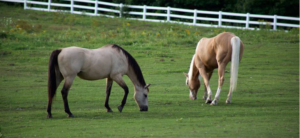
Horses in SpringtimeSpringtime Weight Gain in Horses: Winter can be hard on horses. When spring arrives, it is not unusual to find that a horse has dropped weight during the coldest months. When the mercury drops, a horse requires more energy to maintain body temperature. Winter is especially challenging for senior horses and young horses, who have a harder time maintaining body temperature. A sound nutrition program and suitable exercise can help remedy loss of condition as winter turns to spring.

Cold increases energy needs:

Horses have an estimated lower critical temperature (LCT) between 30-50○ F (-17-10○ C), depending on general body condition and thickness of haircoat. If the temperature falls below the LCT, a horse needs to burn energy to keep warm. For every 10○ F (5.5○ C) the temperature drops below LCT, a horse needs an estimated additional 2,000 kilocalories (kcal) to maintain body temperature. Often, this can be achieved with an extra 3 lb (1.4 kg) of hay.

“Hay is the best option for helping a horse create its own warmth,” said Kathleen Crandell, Ph.D., a nutritionist for Kentucky Equine Research. “Hay is fermented in a part of the hindgut called the cecum. Because internal heat is a byproduct of fermentation, consuming and processing hay keeps a horse warm.”

However, when rain and wind become factors, increases in energy needs can quickly escalate beyond what can be satisfied by hay alone, Crandell explained. In this case, concentrates and fat supplements are valuable in supplying calories. In regard to fat supplements, for example, one-half cup (4 oz or 120 ml) of vegetable oil provides approximately 2,000 kcal.

Body condition as a tool for weight management:

Assessing body condition year-round is the best management tool to identify changes in weight. The most familiar body condition scoring system features a scale from 1 to 9 that gauges fat cover and distribution. A score of 1 or 2 denotes an emaciated horse (veterinary intervention may be necessary), 3 or 4 is thin, 5 or 6 is ideal, and 7, 8, or 9 is overweight or obese.

Keeping track of weight, as well as body condition, is also important. A weight tape, placed around the horse’s barrel, directly behind the shoulders as the horse stands square, is an excellent tool for estimating weight and monitoring change. Measuring is important, as horse owners often notice changes in a measurement before noticing weight fluctuations visually. Weigh at a regular time every four to six weeks. For example, the first day of every month or each time the horse is visited by the farrier. Keep a log to track weight, pinpoint fluctuations, and adjust the diet accordingly.

If a horse is thin after winter, it is important to ask why. Is it related to a health problem (teeth, soundness, pain)? Is the horse stressed in some way (evolving herd dynamics, limited feeding stations)? Have your veterinarian conduct a wellness exam at least once per year. Take stock of the horse’s environment and behavior. What changed, if anything?

Concocting diets for weight gain:

Simply put, to gain weight a horse needs to consume more calories than it burns. Weight gain should be slow and controlled. Avoid rapid weight gain. Forage alone may not have enough calories for significant weight gain. Concentrates and fat supplements can help in these situations. To achieve an increase of one body condition score (e.g., from a 3 to 4), the average 1,100-lb (500-kg) adult horse needs to gain 44-50 lb (20-23 kg). That gain can take 30-60 days. Be patient. The amount of increased feed in the diet will depend on the individual horse, overall health, and activity level. Slowly make changes and increases in feed intake. Offering several small meals of grain is preferable to one or two larger meals.

Do not underestimate the caloric value of pasture. “Horses on pasture may benefit from the increase in calories with the improved quality of the spring grasses,” noted Crandell. “Fresh spring grass is high in digestible fiber, from which the horse can derive lots of energy.”

Forage should make up no less than 50% of the horse’s diet and ideally more (70-100%, depending on the horse’s needs). For horses with dental concerns that may not be able to chew hay properly, forage substitutes like soaked hay cubes, chopped forage, and soaked beet pulp often work well.

A high-fat, low-carbohydrate diet is recommended for horses with metabolic concerns. For example, horses with Cushing’s syndrome or metabolic syndrome, that also need to gain weight. Limit pasture grazing with a grazing muzzle or drylot turnout. Hay can be soaked to reduce dietary carbohydrates as well. “A combination of soaked hay, a high-fat, low-carbohydrate concentrate, and a fat supplement, if added calories are needed, often suits these horses well,” Crandell recommended.

Resources:

In conclusion, do you have questions about Springtime Weight Gain in Horses? Visit us at Kissimmee Valley Feed and check out our horse feeds!

Article Sources: Kentucky Equine Research
Preparing Your Animals for Breeding Season

Saturday, April 5th, 2025

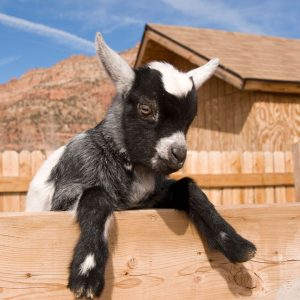
Preparing Your Animals for Breeding Season: photo of a baby goat peering over a fence.Preparing Your Animals for Breeding Season: Breeding season is a crucial time for animal owners, full of possibilities and excitement. However, it can also be a challenging period, especially if you are new to the process. Getting your animals ready for breeding takes careful planning and consideration. Ensuring your animals are healthy and in top condition is vital to a successful breeding season. Whether you’re a seasoned breeder or a newcomer, we have put together a guide to help you prepare for the breeding season ahead. We also carry feeds for all animals, small and large; livestock or pets.
Schedule a Pre-Breeding Checkup

The first and foremost step to begin preparing your animals for breeding season is to schedule a pre-breeding checkup with a reliable veterinarian. The vet will examine your animals, perform any necessary tests, and give you a clean bill of health for them. Ensure all vaccinations are up-to-date and administer any necessary medications under the vet’s guidance. Also, while you’re at it, ask the veterinarian for advice on how to prepare your animals for the coming breeding period.

Ensure Proper Nutrition

A well-balanced and nutritious diet is critical to success during breeding season. Ensure your animals are fed high-quality forage, plenty of clean water, and a complete and balanced diet that meets their nutritional needs. Feed them food rich in proteins, vitamins, and minerals as it will help to maintain their body condition and boost their reproductive health.

Maintain Optimum Health

Maintaining optimum health is key to the preparation of your animals for breeding season. Ensure that the living environment is suitable and clean for your animals. Any external parasites such as lice and flies can lead to health issues. Take the appropriate measures to eliminate these parasites. Additionally, be sure to give your animals exercise to strengthen their stamina and maintain their physical health.

Plan for Newborns Arrival

Breeding is the start of a new life, and it should be a planned event. You need to plan for the newborn animals’ arrival, including space, food, and other necessary items. Ensure that a designated area or pen is prepared, and it has all needed supplies and equipment, such as heat lamps, colostrum replacers, resuscitation equipment, or foaling kits on hand. Plan for transportation and have a backup plan in place.

Keep Accurate Breeding Records

Keeping accurate breeding records is crucial to the success of any breeding program. You should track breeding dates, gestation periods, births, and any offspring’s health. Accurate records will help you identify patterns, identify any potential issues or trends, and make improvements in your breeding program.

Breeding season can be an exciting and challenging time for animal owners. However, with careful planning and consideration, you can ensure that your animals are healthy and prepared to create offspring that will be productive and generous in the future. Work with a vet, maintain proper nutrition, keep optimum health, plan for the newborn’s arrival, and track accurate records for a successful breeding season.

Spring and Summer Horse Health Tips

Saturday, April 5th, 2025

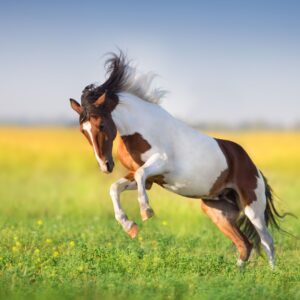
Healthy horse in summer fieldSpring and Summer Horse Health Tips: Our experts have gotten together to provide some information and tips on how to keep your horse healthy and comfortable in the ever-changing seasons. When spring and summer arrive, so do hot temperatures! You can’t forget the new plants, allergies, insects, and pests.
  • In the spring and early summer, make the transition from hay to pasture feeding slowly. While spring sprouts are lower in sugar and starch, horses crave fresh and will overeat which is especially dangerous to overweight horses, or those that have experienced insulin-resistant laminitis.
  • It is very important to maintain regular vaccinations, deworming, and dental exams. Check with your veterinarian about seasonal vaccinations. Keep a detailed calendar of when your horse needs to be wormed. Also checking with your vet or equine dentist to establish a regular float schedule is very important to your horse’s health.
  • Always make sure there is fresh, clean, ample supply of water. Different things will affect the amount of water your horse needs including outside temperature, workload, feed, size, and health.

We hope you have learned some useful tips about spring and summer horse health. If you have any questions, feel free to contact us at Kissimmee Valley Feed!

Cattle Mineral Tips for Spring

Thursday, March 20th, 2025

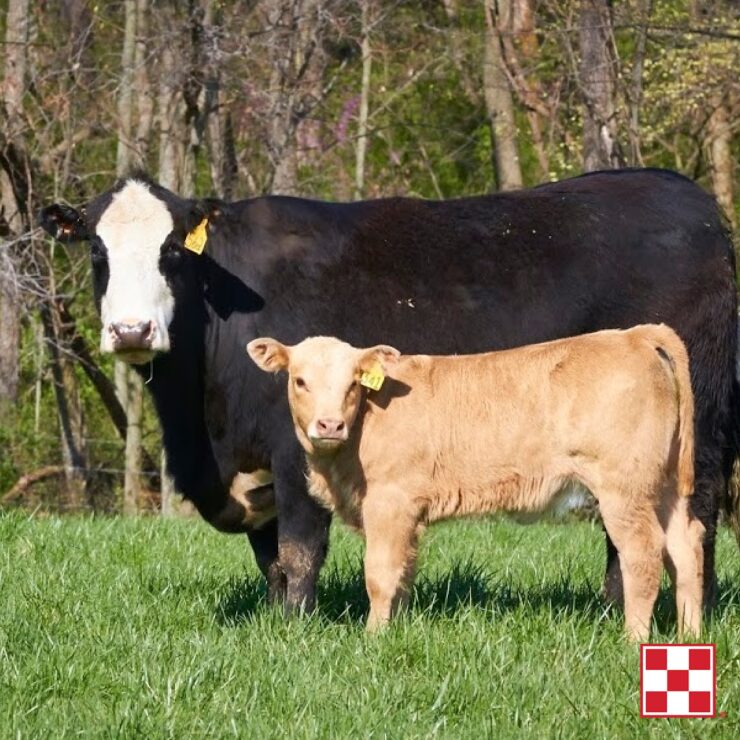
Cattle Mineral Tips for SpringCattle Mineral Tips for Spring: As winter shifts to spring, it’s time to take a look at cattle management. Specifically, your cattle mineral program. Make sure cattle management, and cattle mineral, reflect the season to help keep cattle performing year-round.
Quick, timely considerations for your Purina cattle mineral program:

  • It can be tough getting cattle to eat mineral when grass is green and lush. Have one cattle mineral feeder for every 20 to 30 head. You can also use a complete cattle mineral or mineral tub to encourage consumption.
  • Ensure cattle receive enough magnesium to prevent grass tetany. Consider using Wind and Rain® Storm® Hi Mag Cattle Mineral.
  • Spring grass typically has the highest phosphorus level of the growing season. Mineral sources of phosphorus and magnesium are bitter and can reduce palatability. Consider using a high-magnesium cattle mineral with a lower phosphorus level to improve intake.
  • Global vitamin A production issues have caused prices to rise considerably over the past few months. However, vitamin A is very important for reproduction, so it’s critical to avoid a deficiency. Green, leafy forages tend to be a good source of vitamin A. Wind and Rain® Storm® Hi Mag Cattle Mineral contains a low level of vitamin A to complement lush grass.
  • Get a jump start on fly control. Start using Wind and Rain® Storm® Fly Control Cattle Mineral 30 days before the last frost and continue through fly season.

Check out Kissimmee Valley Feed’s full Cattle Feed and Supplies Selection. In addition, Try Purina® minerals today through the Feed Greatness Challenge.

Article Source: Kent Tjardes, Ph.D., Field Cattle Consultant for Purina Mills

Keeping Dogs Healthy in the Spring and Summer

Monday, March 10th, 2025

Keeping Dogs HealthyKeeping Dogs Healthy in the Spring and Summer: Spring and summer months are a great time for you and your dog to enjoy the outdoors. However, the spring and summer months can also present unique dangers and health risks for your dog. Here are some dog health care tips that will help ensure that your dog remains safe in the heat.

In the Spring, check with your veterinarian to see what they recommend in terms of Heartworm Prevention. Heartworm disease is transmitted by mosquitoes and can be fatal. Heartworm disease is truly a silent killer and you can ensure that your dog stays heartworm free with just minimal prevention.

Dog Food:

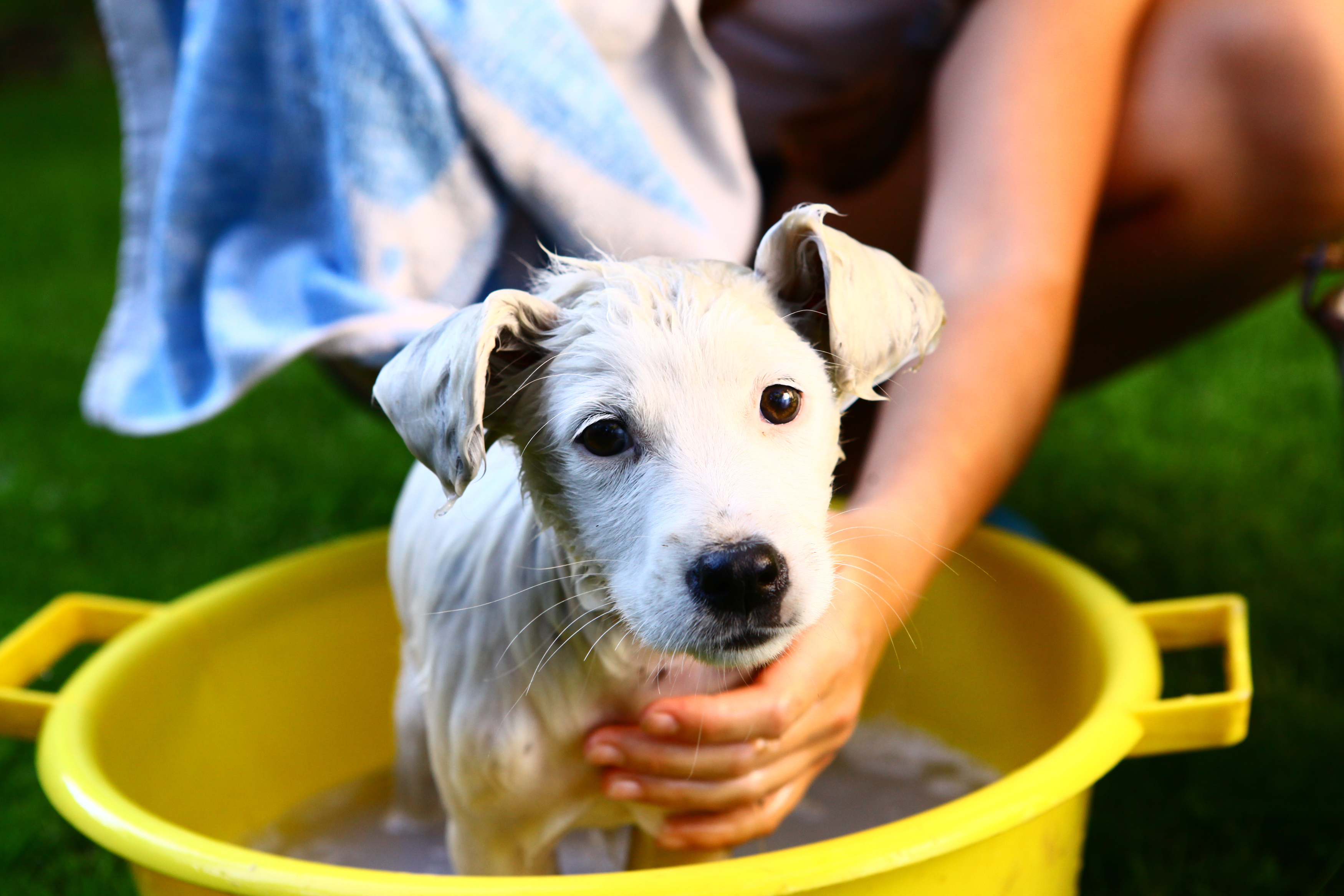
Spring and summer time is the perfect time to transition your dog to all natural, premium dog food. Transition to the new dog food slowly, by mixing in the new dog food over time. Start by mixing 10% of the new into the old dog food. Add more of the premium dog food every day. Transitioning to a premium, all natural dog food can provide long lasting health benefits for your dog, and may provide them with more energy through the summer months.

Sun Exposure:

Monitor your dog’s tolerance of the direct sun very closely. Never leave your dog out in the sun too long. Dogs can get sunburned just like people. Provide lots of shade for your pet. Dogs can become dehydrated in the sun, so provide plenty of cool, clean water. Older dogs and dogs with thick coats need special attention. Limit their exposure to the heat during hot summer days and exercise them in the morning or evening hours, when temperatures are cooler.

Fleas and Ticks:

Keep your dog free from fleas and ticks during the summer by using all-natural flea and tick treatments. Some of the flea and tick products that are sold over the counter are actually toxic and should be avoided at all costs. Speak with your veterinarian about holistic flea and tick solutions.

Noise:

Protect your dog’s emotional health by avoiding large, noisy events such as rock concerts or fireworks displays. For many dogs, this type of event is stressful and can cause anxiety. Fireworks can be dangerous for humans and pets alike, so never allow your pet to be near fireworks displays. Many pet owners find the Anxiety Wrap effective in helping their pet cope with fireworks and thunder.

Car Rides:

It is extremely dangerous to drive a truck with a dog in the back. In fact, in many states it is illegal. Dogs can be injured from flying debris and can also be thrown from the pick-up bed during the ride. Dogs should always ride in the cab, preferably confined in a crate or by using a seat belt safety harness.

Tags:

Make sure that your dog always wears a dog collar and current dog tags including your phone number. Safety dog collars, such as reflective collars and illuminated dog collars also can keep your dog safe.

Dogs love spring and summer because it means lots of time outdoors. By keeping tabs on your dog’s health, you can make this a fantastic season for you and your dog.

Source: PupLife

Navigation


Share this page

Calendar

July 2026
No event found!

Quick Info


Main Store
1501 Eastern Ave map

Saint Cloud, FL 34769..

Contact Info

Phone: 407-957-4100
Fax: 407-957-0450

Store Hours

Mon-Fri: 8:00 am - 6:00 pm
Sat: 8:00 am - 5:00 pm
Sunday Closed


Second Store
215 13th Street

St. Cloud, FL 34769

Contact Info

Phone: 407-892-4040

Store Hours

Mon-Fri: 8:00 am - 6:00 pm
Sat: 8:00 am - 5:00 pm
Sunday: Closed

Owner: Samantha Holloway
1501 Eastern AveSaint Cloud, FL 34769
Phone: 407-957-4100
Fax:407-957-0450

2nd Store
215 13th Street St. Cloud, FL 34769

Contact Info
Phone: 407-892-4040
Store Hours
Mon - Sat 9:00 am - 7:00 pm
Sun Closed