Archive for February, 2026

Spring Garden Hazards for Pets

Sunday, February 15th, 2026

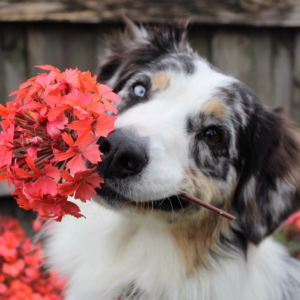
Spring Garden HazardsSpring Garden Hazards: As spring arrives and the first buds appear, gardening can be a relaxing and healthy way to pass the time.  But it can also pose some potential risks to our cat and dog friends. With care and some knowledge, these risks can be avoided.  Here is a list of potential spring garden hazards.

Fertilizers and Pesticides:

Fertilizers containing blood meal, bone meal, feather meal or iron can be tasty for dogs and particularly dangerous. Ingestion of large amounts of meal containing products can form concretions in the stomach resulting in obstruction and severe pancreatitis.  Likewise, those containing iron can lead to iron poisoning causing vomiting, bloody diarrhea, lethargy, abdominal pain, shock, tremors, and potential cardiac and liver effects.  Consider using natural fertilizers available many garden supply stores or local farms.  Ingestion of pesticides or insecticides containing organophosphates can be life threatening even in small amounts.

Mulch:

Cocoa mulch is made from the discarded shells and hulls of the cocoa bean.  Its chocolate like smell can be particularly attractive to dogs. Similarly, like chocolate, this mulch contains theobromine and caffeine.  The amount of toxin present can vary from product to product.  Symptoms of toxicity include vomiting, diarrhea, hyperactivity, abnormal heart rhythm, seizures and in extreme cases, death.  Keep pets safe by closely supervising them or using safer alternatives to cocoa mulch.  They include rubber mulch, cedar mulch, leaves, pine needles or untreated wood chips.  While these are safer alternatives, please remember these can still be ingested and cause an obstruction.

Compost:

Gardeners love compost for its nutrient value and many have their own pile.  Compost can be toxic to pets and wildlife and should always be fenced off.  As organic matter decomposes in the compost pile, molds can grow.  Consequently, these molds can produce tremorgenic mycotoxins.  As a result, when ingested symptoms can occur within 30 minutes and include agitation, panting, drooling, vomiting, tremors, and seizures.  However, with supportive care the prognosis is good.

Snail and Slug Bates:

These are available in pellets, granules, powder or liquid.  Most contain metaldehyde which is very dangerous to dogs and cats.  As a result, symptoms can occur within 1-2 hours of ingestion and include salivation, restlessness, vomiting, tremors, seizures and increase body temperature.  Without veterinary care the symptoms can last for days and be fatal, for instance.  Gopher, mole and other vermin bates contain strychnine and are highly toxic.

Flowers and Plants: 

Many plants can be toxic to pets.  Some can have only mild symptoms of gastrointestinal upset to severe liver or kidney failure and death.  For example, the following is an incomplete list of common plants.

  • Severe toxicity:  Sego palm, Azalea/Rhododendron, Caster bean, Cyclamen, Oleander and Yew.
  • Moderate Toxicity:  Aloe Vera, Amaryllis, Begonia, Chrysanthemum, Daffodil, Hosta, Morning glory and Poinsettia.
  • Mild toxicity:  Baby’s breath, Carnation, Gladiola and Tomato plant.

Citronella candles:

Ingestion of citronella candles, used to deter mosquitos, can cause gastrointestinal inflammation including vomiting and diarrhea.

Above all, if you think your pet has ingested a toxic substance, contact your veterinarian for advice and treatment.  Additionally, you can contact the ASPCA Hotline at 1-888-426-4435 or the Pet Poison Hotline at 1-800-213-6680.  Both charge a fee for their service.  Several pet poison apps are available, as well.

In conclusion, contact or visit Kissimmee Valley Feed for natural lawn and garden products.

Article provided by Nutrena.

Why Is Pet Nutrition Important? A Guide for New Pet Owners

Sunday, February 15th, 2026

photo of a kitty and dog close together - they look happy! Read this Guide for New Pet Owners and yours will too!Bringing a new pet home feels exciting. You buy a comfy bed, a leash, and toys. But the food you choose is more important than anything else. Proper nutrition helps your pet grow strong and healthy. It affects their energy, weight, and even how happy they feel.

Walking down the pet food aisle can be confusing. So many bags say “natural” or “grain-free.” Don’t get overwhelmed. Start by understanding what your pet truly needs.

Pets need energy, protein, vitamins, minerals, and fats. These nutrients help them play, grow, and stay well. Good food gives them a shiny coat, helps their bones, and fights illness. If they don’t get what they need, they may get sick or slow down.

Not all pet food is created equal. Some budget foods use fillers and by-products. These don’t offer much nutrition. Your pet needs to eat more of it to feel full, which can lead to weight problems.

Premium brands like Fromm (which we carry!) use quality meat and real ingredients. Look for food where meat—like chicken or salmon—is the first item on the list. Avoid foods with lots of corn or generic meat by-products. Fromm skips artificial preservatives too. They make recipes for all ages. You get peace of mind knowing exactly what’s in the bag.

For new owners, stick to these tips:

  • Pick food for your pet’s age—puppy, adult, or senior.
  • Read the first five ingredients on the label.
  • Choose a formula that fits your pet’s size and breed.

Need help choosing? Visit Kissimmee Valley Feed Store #2 in St. Cloud. Our team will answer your questions and recommend the best food. Give your new friend a healthy start—ask for a sample and see the difference premium nutrition makes. You can check out some of the products we carry here.

What Should You Feed Your Chickens for Optimal Egg Production?

Thursday, February 5th, 2026

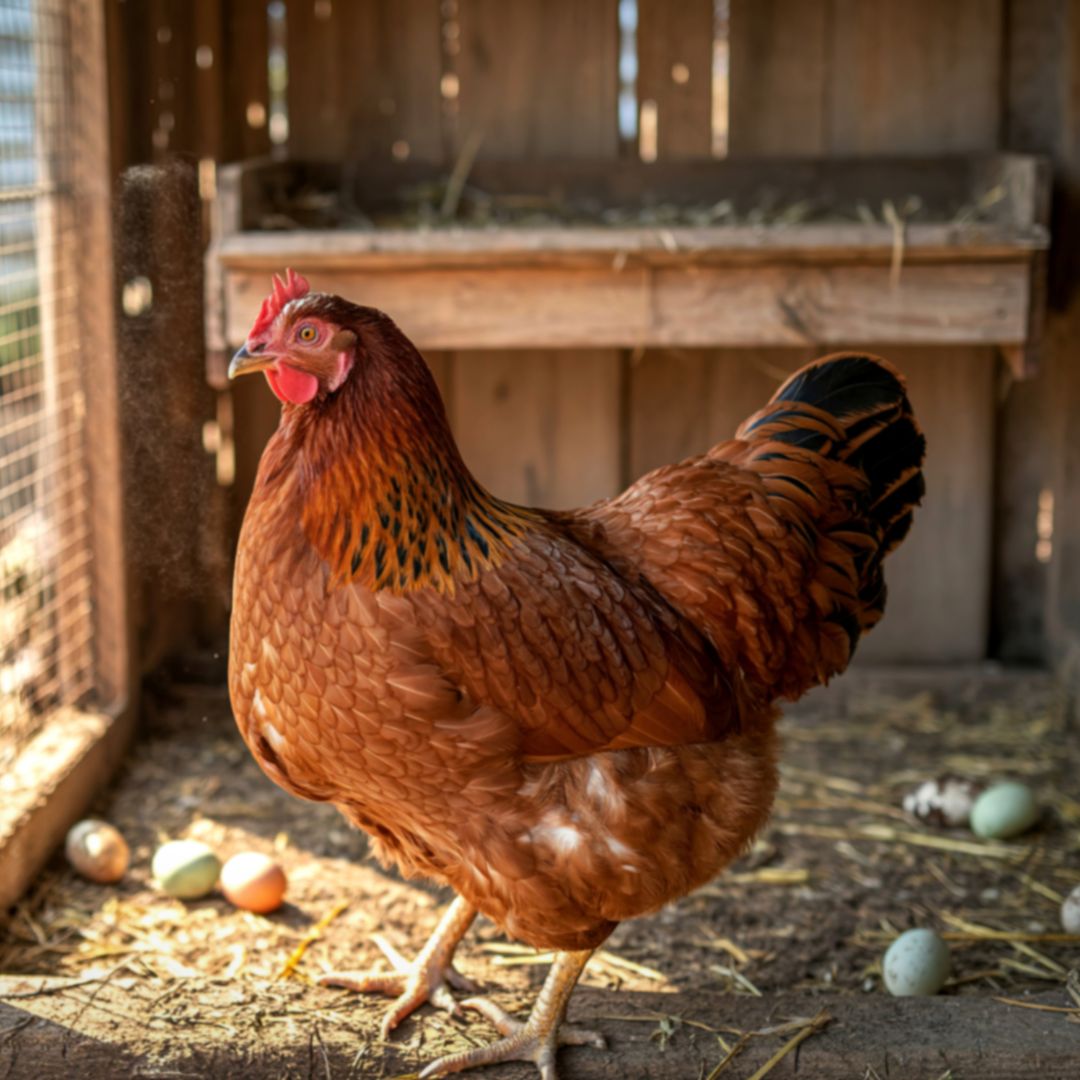
This hen pictures with eggs in the background clearly doesnt struggle with egg production!What Should You Feed Your Chickens for Optimal Egg Production? It’s a very common questions for those with backyard flocks.

If your hens stop laying or their eggs have thin shells, their diet might be the reason. To get more eggs, start with good nutrition. Laying hens need plenty of protein, calcium, and fresh water to stay healthy and lay strong eggs.

Choose a feed with at least 16–18% protein for your hens. Protein keeps them growing and helps with frequent egg production. Calcium is just as important for hard shells. If your hens don’t get enough calcium, they could have weak shells or health issues. Always offer crushed oyster shell in a separate dish so they can eat it if they need more.

Hydration is also key. Make sure waterers are clean and full each day. Even a brief water shortage can stop egg production for days.

Not all feeds are the same. Cheap chicken feed often has fillers, so your hens may eat more and still not get what they need. At Kissimmee Valley Feed, we recommend Kalmbach 17% Layer Pellets or Crumbles. They contain the right amount of protein and calcium. We also have Kalmbach Henhouse Reserve® and organic options for those who want non-GMO feed.

Chickens need grit if they eat anything but commercial pellets or crumbles. This helps them digest treats like leafy greens or mealworms. Always feed treats in moderation.

Feed quality matters, but correct storage does too. Keep feed dry and store it in metal bins to keep pests away. Buy only the amount you will use in a month so feed stays fresh.

Want better eggs? Visit Kissimmee Valley Feed for advice and quality products. We’ll help your hens stay healthy and keep your egg basket full.

Navigation


Share this page

Calendar

No event found!

Quick Info


Main Store
1501 Eastern Ave map

Saint Cloud, FL 34769..

Contact Info

Phone: 407-957-4100
Fax: 407-957-0450

Store Hours

Mon-Fri: 8:00 am - 6:00 pm
Sat: 8:00 am - 5:00 pm
Sunday Closed


Second Store
215 13th Street

St. Cloud, FL 34769

Contact Info

Phone: 407-892-4040

Store Hours

Mon-Fri: 8:00 am - 6:00 pm
Sat: 8:00 am - 5:00 pm
Sunday: Closed

Owner: Samantha Holloway
1501 Eastern AveSaint Cloud, FL 34769
Phone: 407-957-4100
Fax:407-957-0450

2nd Store
215 13th Street St. Cloud, FL 34769

Contact Info
Phone: 407-892-4040
Store Hours
Mon - Sat 9:00 am - 7:00 pm
Sun Closed