

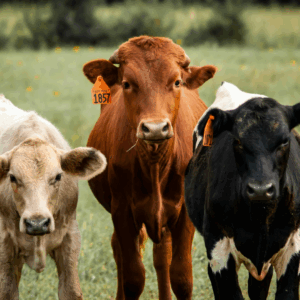
 Your Keys to Fall Calving: Cattle condition and comfort are your keys to fall calving.
Spring calving season may be more common, but if you’re a fall calving operation, you know the warmer, dryer weather conditions and the seasonal high calf prices that tend to hit at weaning can yield greater results.
Yet, fall calving doesn’t come without its challenges. Preparation now means mitigating those challenges – including high temperatures and unpredictable forages – and getting calves started quicker to realize optimal cost-efficient growth.
Follow these steps this summer to gain more value from your herd in the fall:
Set cows up for success
It can be difficult to keep cattle in ideal body condition for the fall calving season. Pastures are transitioning from quality grasses with active growth to more mature grasses going dormant, causing energy and protein quality to decline.
With a target body condition score of six at calving, taking scores 60-90 days before calving begins allows time to change the nutrition plan if needed. Purina® RangeLand® protein supplement tubs and Purina® Accuration® Hi-Fat blocks are good options that provide extra protein and energy; they also support digestion and utilization of low-quality forage.
Remember, heifers and first-calf cows haven’t yet reached maturity during gestation. They are still growing while raising a calf, making their energy requirements higher than mature cows. Separate your herd to provide heifers and first-calf cows with a higher energy diet to be at peak performance during calving.
Fight menacing flies
Fly season may start in spring, but a strong fly control program is just as critical during fall calving season.
Flies can be a significant detriment to cattle health and performance. Horn flies carry Staphylococcus aureus, a major cause of mastitis. They can also cause damage to the udder and teats, lowering milk production.
To limit horn flies, start feeding Purina® Wind and Rain® Fly Control mineral in the spring, 30 days before flies emerge, when the daily temps average 65°F and keep feeding until 30 days after the first frost in the fall.
When it isn’t fly season, provide your herd a balanced mineral year-round using Purina® Wind and Rain® mineral. A quality mineral optimizes cows’ milk production and supports fertility and fetal development – all vital in the winter months when your cows are raising calves and getting rebred for the next season.
Combat soaring temperatures
Higher temperatures during fall calving make water supply a top concern. During the hottest days of the year, cattle typically drink two gallons of water per 100 pounds of body weight. Adequate, clean, accessible water is a must. Allowing for two or more inches of linear space per head has been shown to decrease heat stress in cattle.
As calves start drinking water, it’s essential for water sources to be at an appropriate height. In addition, to have enough water flow. Cows typically drink first, with calves following. If the sides of the waterer are too high or the water doesn’t refill quickly, calves may not have access to water that is needed to prevent dehydration and keep their bodies cool.
Shade or shelter is another vital consideration for hot days. Trees, buildings or portable structures are all adequate sources of protection from the sun’s intense heat. Placing water tanks in shaded areas also ensures cool water for the herd.
Ready for reproduction
You can’t be prepared for all surprises that can occur during the fall calving season. Still, making sure your herd is in peak condition, providing access to necessities, and having essential supplies on hand can help ensure calves hit the ground running.
Visit Kissimmee Valley Feed to learn Your Keys to Fall Calving. Check out our cattle feeds here.
Source: Wes Hornback, Cattle Technical Specialist, Purina Mills
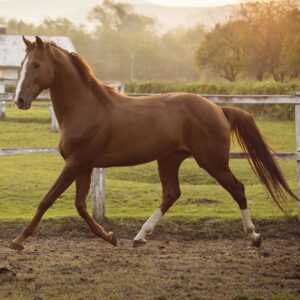 Your Horse: Avoid Being Felled by Fall Founder: If you’ve been involved with horses for any length of time, you’re no stranger to the anguish caused by laminitis. You may be aware of common causes of founder. For example: grain overload, endocrine disturbances, and overloading of supporting limbs, there’s one you may overlook: fall grazing.
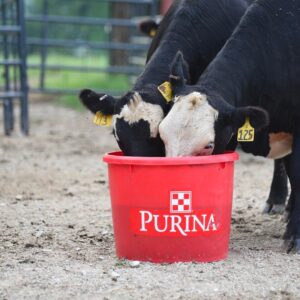 Fall is approaching, which means it’s time to prepare your herd for the months ahead. Cattle nutrient requirements vary from season to season, so it’s important to evaluate the effectiveness of your feed program. Check out these tips for creating a healthy mineral program and preparing your cattle for fall.