Archive for August, 2025

The Benefits of Fall Forage for Your Livestock

Monday, August 25th, 2025

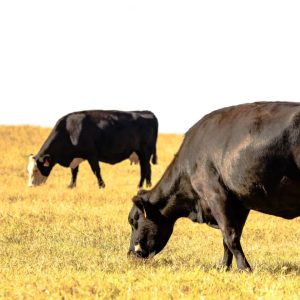
The Benefits of Fall Forage for Your Livestock: photo of two cows grazing in a fieldThe Benefits of Fall Forage for Your Livestock: Fall is just around the corner, and that means it’s time to start thinking about fall forage for your livestock. As the temperature cools and the days get shorter, it’s important to ensure that your animals are getting the right nutrients to maintain their body condition going into the winter months. Let’s go over some of the benefits of fall forage! Check out all things related to animal health available at Kissimmee Valley Feed here.

Nutritional Benefits

Fall forage is an excellent source of nutrition for your livestock. It’s packed with nutrients that can help them maintain their body condition and keep them healthy throughout the winter. For example, clover is a great source of protein and energy, while alfalfa is high in calcium and phosphorus. Rye grass, on the other hand, is an excellent source of fiber and can help keep your animals’ digestive system healthy.

Cost-Effective

Fall forage can be a cost-effective way to feed your animals. Growing your own forage can be cheaper than purchasing feed from a store, and it can also help you save on labor costs. Furthermore, depending on where you live, fall forage can often be grown as a double crop, meaning you can get more than one harvest per year from the same field.

Environmentally Friendly

Growing your own fall forage is also environmentally friendly. By growing your own forage, you can reduce your carbon footprint by eliminating the need for transportation of feed. Additionally, fall forage can help improve soil health and prevent soil erosion, which can help to preserve the environment for future generations.

Improves Livestock Health

Fall forage can also help to improve your animals’ overall health. A diet rich in fall forage can help to boost their immune system, making them more resistant to diseases and infections. Additionally, fall forage can help to promote healthy weight gain and improve milk production in dairy cows.

Versatile

Finally, fall forage is incredibly versatile. Depending on your animals’ nutritional needs, you can choose to grow a variety of different forages. This means you can customize your feeding program to meet the specific needs of your animals, ensuring that they stay healthy and happy throughout the fall and winter months.

Fall forage is an essential part of any livestock feeding program. It’s not only nutritionally beneficial but also cost-effective and environmentally friendly. So, as the autumn season approaches, be sure to start thinking about fall forage for your livestock. Your animals (and your wallet) will thank you for it!
 

Old Florida Farm Products

Friday, August 22nd, 2025

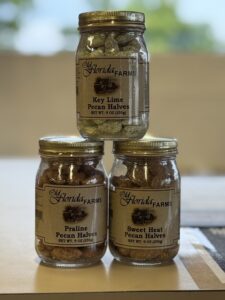
Old FL Farm Products: pecansWhen it comes to Old Florida Farms products, the company is a grower, packer, and distributor of foods and other products unique to Florida.
Their products feature Florida’s Favorite Jams, Jellies and Marmalades, Fruit Butters, and Salad Dressings. Check out more of their offerings here.

Fall Pet Allergies

Tuesday, August 5th, 2025

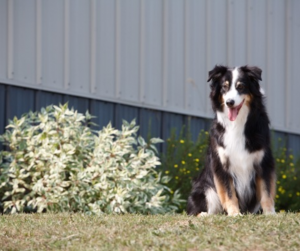
Fall Pet Allergies: A Fluffy dogs sits outside next to a bush.Fall Pet Allergies: As the heat and humidity of the summer begins to wane, many of us look forward to the cooler, fall weather and, at least in the northeast, the beauty of the changing foliage. For many of us including our pets, this change of season is the start of fall allergies.
Cats and dogs have seasonal allergies (atopy or allergic dermatitis) to mold and pollen just like we do.  The main difference is the way in which they show it.  Allergies are a hypersensitivity or immune system overreaction against common, otherwise harmless substances in our environment.  These allergens get in through the skin because of abnormalities in the skin’s protective barrier and/or abnormalities to the matrix between skin cells. Similar to the way water seeps into a brick wall with crumbling mortar.

Common Causes and Symptoms:

Tree, grass, and plant pollens or mold commonly cause seasonal allergies.  In pets that have year-round environmental allergies, indoor allergens are likely to be the cause because they are exposed to them continuously.  In fact, 75% of dogs with year-round allergies are allergic to house dust mites, an indoor allergen.  Food allergies can also be the cause of year-round allergies, but that is a topic for another time.

Most dogs and cats typically begin showing seasonal allergies in the first one to three years of life.  The symptoms may initially be mild but may get worse over time.  Any dog can become allergic. Certain breeds are overrepresented (because there is a hereditary component).  They include the Golden Retriever, Labrador Retriever, West Highland White Terrier, Bulldog, Boxer, Pug, Shih Tzu, Lhasa Apso, and the Chinese Shar-Pei.

The most common symptoms include licking, scratching, chewing, and rubbing at the feet, face, hind end, armpits and abdomen.  In cats, they may present as a raised, crusty skin lesion called milliary dermatitis. Allergies can also present as recurrent skin and ear infections which can cause hairlessness, redness, thickening and pigmentation of the skin.  Bacteria causes these infections. As well as yeast which live naturally on the skin. When present, they can make the itching associated with atopy more intense.

The diagnosis of seasonal allergies is most frequently based on clinical signs and age of the patient.  A positive response to low-dose steroids can also aid in the diagnosis.  The specific allergens that your pet is allergic to can only be determined by a blood test or intradermal skin testing.

Treatment of environmental allergies is centered on controlling the itch or decreasing the immune system’s overresponse to normal allergens found in the environment.  Discuss treatments with your vet. They may include:

Avoiding allergens: 

This is usually not entirely possible.  Brushing the hair coat can help remove allergens from the fur and skin, reducing exposure. Wearing a t-shirt and/or foot protection may also limit exposure and absorption through the skin.  For dust mite allergies, washing beds frequently or using dust mite covers may help to limit exposure.  Avoiding stuffed toys can also help.  Using an air conditioner in the summer or a HEPA filter can reduce allergens.  Keeping pets indoors when mowing the lawn and stirring up allergens may help.  Frequent bathing with a hypoallergenic shampoo and using a conditioning rinse or spray to moisturize the skin is beneficial for many pets.

Medications:

Many medications are available to reduce the signs and symptoms but they do not get rid of the allergy.  They include antihistamines such as Benadryl® and Claritin®, omega 3 fatty acids high in EPA and DHA, steroids such as prednisone or dexamethasone, immune modulators such as cyclosporine, Janus kinase inhibitors such as Apoquel®, and a new soon to be available Interleukin-31 antibody.

Allergen Specific Immunotherapy: 

This treatment regimen is dependent upon allergy testing.  Once your pet’s allergens are identified, a specific “allergy vaccine” can be made to desensitize the immune system to specific allergens.  This is effective in about 70% of dogs and is most beneficial when started at a young age. Desensitization is injected. Oral therapy under the tongue is another option. It may require six months to two years to see a benefit.

If you think your pet may have fall allergies, speak with your veterinarian, so together, you can make the best treatment choice for you beloved companion.

To treat your pet to healthy food and/or toys, visit Kissimmee Valley Feed! Check out our dog/cat selection here.

Article Source: Nutrena

Attracting Birds to Your Backyard

Tuesday, August 5th, 2025

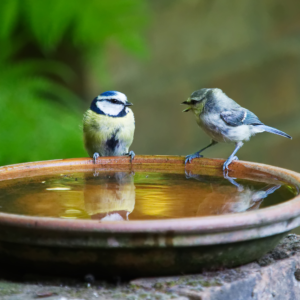
Attracting Birds, Birds in Bird BathSummer is a season of warmth, vibrant colors, and the joyful chirps of wild birds. For many, there’s something magical about having a variety of feathered friends visit your backyard. Whether you’re an experienced bird enthusiast or just starting out, attracting wild birds during the summer months can turn your garden into a bustling hub of nature’s beauty. Here’s how you can transform your outdoor space into a bird paradise.

1. Provide Fresh Water Sources

Water is a magnet for birds, especially during the warm summer months. Installing a bird bath or a water fountain in your backyard can attract a wide variety of birds. Ensure the water is clean and shallow enough for the birds to bathe and drink comfortably. Adding a few stones or branches inside the bath can give smaller birds a place to perch. Remember to change the water regularly to keep it fresh and prevent mosquitoes.

2. Offer a Variety of Foods

Different birds have different dietary needs, so offering a variety of food can attract a broader range of species. Here are some options to consider:

  • Seed Feeders: Fill them with sunflower seeds, safflower seeds, or mixed seeds to attract finches, cardinals, and sparrows.
  • Suet Feeders: Great for attracting woodpeckers, nuthatches, and titmice. Suet is especially important during summer when birds need extra energy to feed their young.
  • Nectar Feeders: Perfect for attracting hummingbirds. You can make your own nectar by dissolving 1 part sugar in 4 parts water.
  • Fruit Feeders: Slices of oranges, apples, and grapes can attract orioles, tanagers, and even some woodpecker species.

Feeling overwhelmed by all the options? Stop by our store for an expert opinion for your goals. We’re happy to help you out on your bird-watching journey!

3. Create Natural Habitat Features

In addition to food and water, birds are attracted to backyards that mimic their natural habitat. Planting native trees, shrubs, and flowers not only provides shelter but also natural food sources like berries and insects. Consider leaving a section of your yard a little wild to provide nesting materials and spaces. A pile of leaves or a dead tree can offer invaluable nesting sites and foraging opportunities for birds.

4. Install Nesting Boxes

Putting up nesting boxes is a fantastic way to encourage birds to not only visit but also reside in your backyard. Different species prefer different types of boxes, so research which birds are common in your area and install appropriate nesting boxes for them. Position the boxes in quiet, sheltered areas to provide a safe environment for birds to raise their young.

5. Keep Cats Indoors

Cats are natural predators of birds and can significantly decrease the chances of birds visiting your backyard. Keeping cats indoors, or at least away from bird feeding areas, can help create a safer environment for birds to feed, nest, and bathe.

6. Be Patient and Consistent

One of the most important, but hardest steps! Attracting a variety of wild birds to your backyard can take time and patience. Consistently provide fresh food, water, and maintain the habitat features you’ve created. Over time, birds will start to visit your yard more frequently and in greater numbers.

Creating a bird-friendly backyard is a rewarding experience that brings the beauty of nature right to your doorstep. By offering fresh water, a variety of foods, and natural habitat features, you can enjoy the delightful sight and sounds of wild birds all summer long. Remember, every small step you take can have a big impact on the local bird population, turning your backyard into a thriving wildlife oasis.

Navigation


Share this page

Calendar

No event found!

Quick Info


Main Store
1501 Eastern Ave map

Saint Cloud, FL 34769..

Contact Info

Phone: 407-957-4100
Fax: 407-957-0450

Store Hours

Mon-Fri: 8:00 am - 6:00 pm
Sat: 8:00 am - 5:00 pm
Sunday Closed


Second Store
215 13th Street

St. Cloud, FL 34769

Contact Info

Phone: 407-892-4040

Store Hours

Mon-Fri: 8:00 am - 6:00 pm
Sat: 8:00 am - 5:00 pm
Sunday: Closed

Owner: Samantha Holloway
1501 Eastern AveSaint Cloud, FL 34769
Phone: 407-957-4100
Fax:407-957-0450

2nd Store
215 13th Street St. Cloud, FL 34769

Contact Info
Phone: 407-892-4040
Store Hours
Mon - Sat 9:00 am - 7:00 pm
Sun Closed